
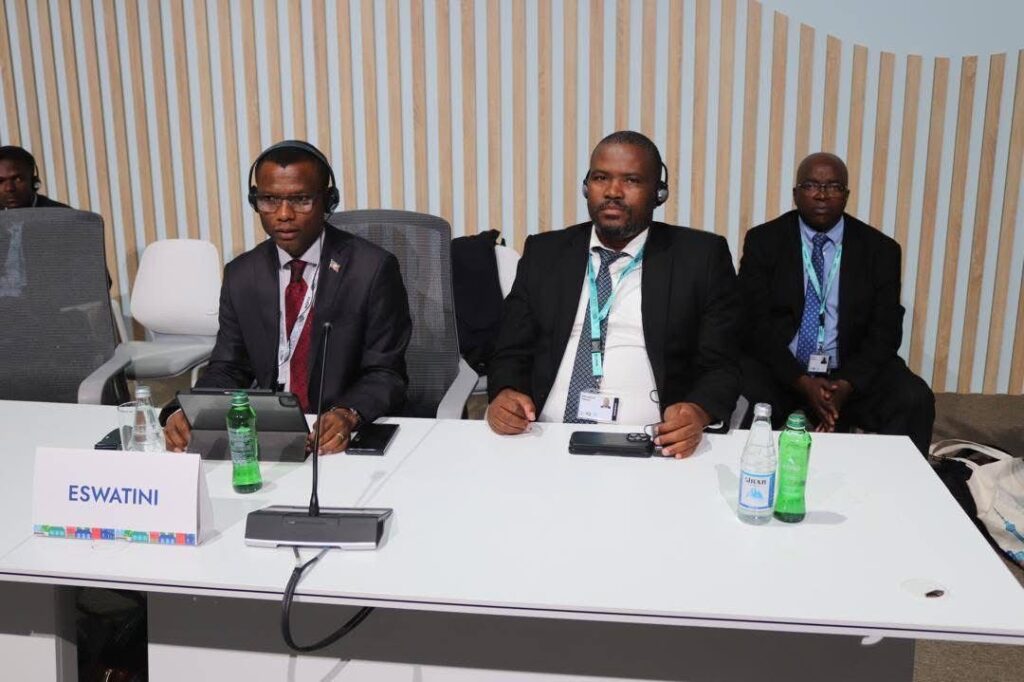
The Kingdom of Eswatini has reaffirmed its commitment to sustainable housing and resilient urban development as part of ongoing efforts to build inclusive, safe, and economically vibrant communities.
This was highlighted by Eswatini’s Minister of Housing and Urban Development, Apollo Maphalala, while delivering the country’s ministerial statement during the opening day of the World Urban Forum in Baku, Azerbaijan.
Addressing delegates under the forum’s theme, “Housing the World: Safe and Resilient Cities and Communities,” Maphalala said the discussions strongly resonate with Eswatini’s national development priorities and aspirations.
“Eswatini recognizes that adequate housing is not merely a basic human need, but a fundamental driver of dignity, social inclusion, economic growth, and environmental sustainability,” said the Minister. He noted that sustainable housing remains central to achieving the vision of an integrated, prosperous, and peaceful world as envisioned under Agenda 2030 and the New Urban Agenda.


Maphalala acknowledged that rapid urbanisation in Eswatini continues to present both opportunities and challenges, particularly as increasing rural-to-urban migration places growing pressure on housing supply, urban infrastructure, and service delivery systems.
“As a result, informal settlements have expanded, often lacking basic services,” he said.
The Minister stated that the government has prioritised housing and urban development as critical pillars for national transformation through various policies and strategic frameworks aimed at improving living conditions for Emaswati.
Among the key interventions highlighted were efforts to promote affordable housing through the Eswatini Housing Board, strengthening spatial planning systems to ensure orderly and inclusive settlements, and facilitating access to serviced land and secure land tenure through the Crown Lands Disposal Programme.

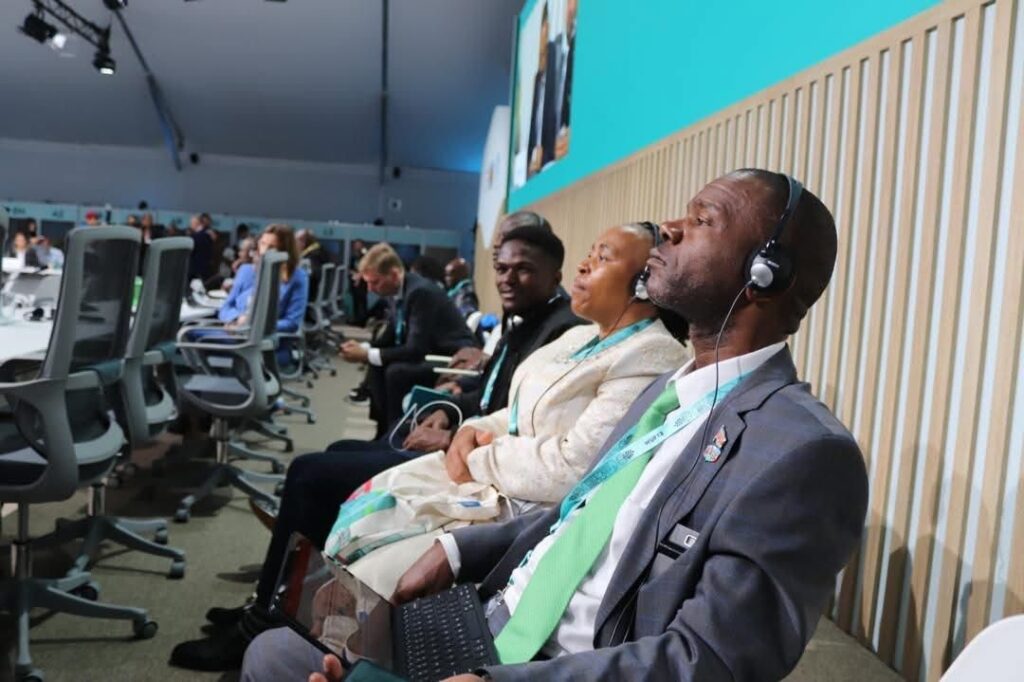
In addition, Maphalala said Eswatini is integrating climate resilience and environmental sustainability into housing and urban development legislative frameworks. This forms part of broader efforts to build resilient communities capable of withstanding future environmental and economic shocks.
The Minister stressed that Eswatini remains committed to aligning its housing and urban development agenda with regional and global development frameworks, including Agenda 2030, Agenda 2063, and Sustainable Development Goal 11 (SDG 11), which focuses on sustainable cities and communities.
“To achieve this, we call for strengthened regional and global cooperation, knowledge sharing, and increased investment in innovative housing solutions, including the use of local and sustainable building materials,” he said.
Maphalala concluded by reaffirming Eswatini’s readiness to collaborate with fellow nations, development partners, and international stakeholders to accelerate progress toward the realization of adequate, safe, and resilient housing for all.