
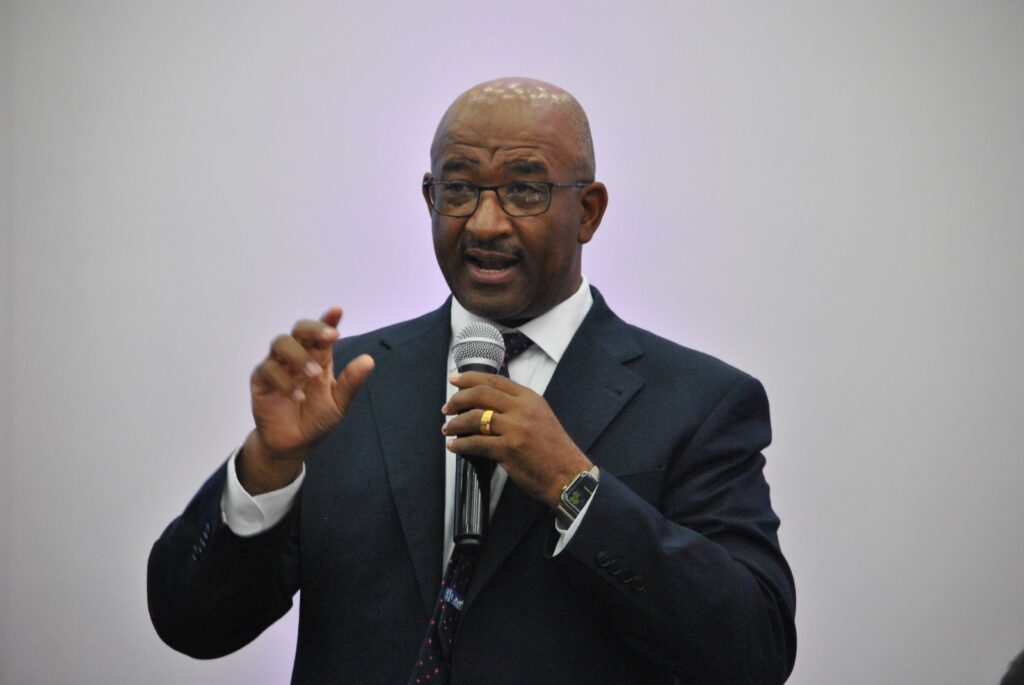
The Central Bank of Eswatini (CBE) has signalled a shift in its national reserve management strategy, placing a renewed emphasis on the accumulation of gold to fortify the Kingdom’s economic stability.
Delivering the 2026 Annual Monetary Policy Statement at the CBE Complex, Governor Dr. Phil Mnisi revealed that the bank currently holds 2,500 ounces of gold as part of its reserve assets. At current market rates, this holding represents a valuation of approximately E195 million.
Addressing the timing of the bank’s acquisitions, the Governor noted that while the current reserves provide a critical fiscal buffer, there is a sense of missed opportunity regarding earlier market entries. “We delayed buying; otherwise, the market value would have been an amazing value addition for the country,” Dr. Mnisi admitted, highlighting the metal’s recent performance as a high-yield asset in the global financial landscape.
To rectify this and align with global central banking practices, the CBE is now exploring aggressive avenues to increase its gold holdings. However, unlike many nations that look to international bullion markets, Eswatini’s strategy is rooted in domestic empowerment. The Governor made it clear that the bank’s intention is to grow these reserves by supporting and acquiring gold produced within the country’s borders.
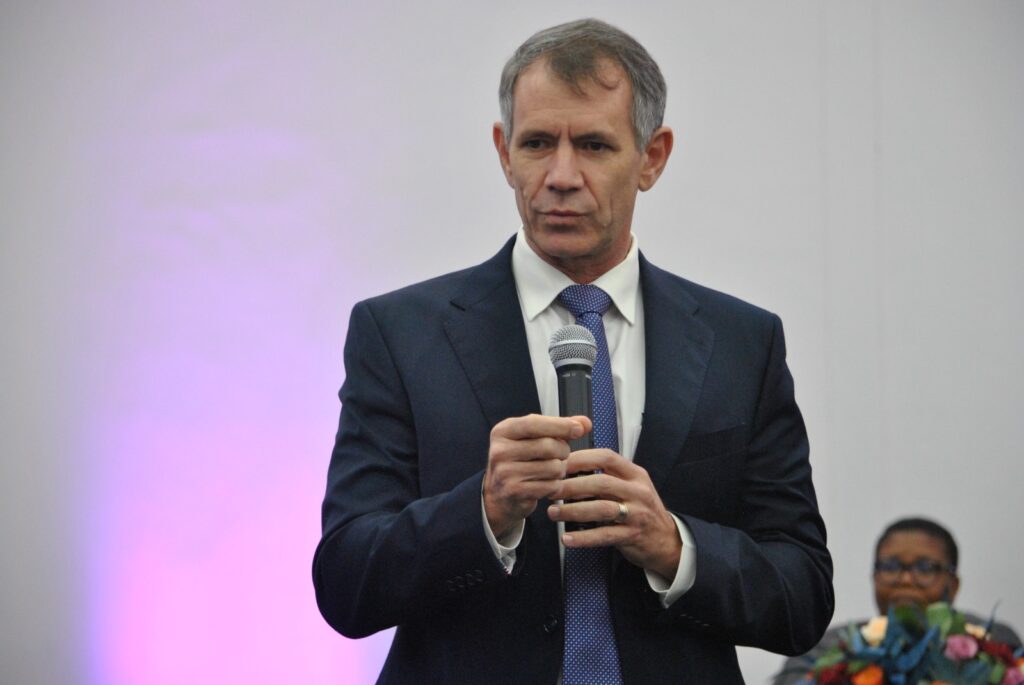
A momentous component of this plan is the use of the national currency for these transactions. By purchasing gold in Emalangeni rather than utilizing foreign currencies like the US Dollar, the bank aims to build a robust reserve of convertible assets while simultaneously preserving the nation’s foreign exchange reserves. This localized approach is expected to provide a guaranteed market for Eswatini’s mining industry, encouraging growth and investment in the sector.
Dr. Mnisi was quick to clarify the bank’s operational boundaries, emphasizing that the CBE will not be entering the industrial side of the trade. “The bank is not intending on becoming a miner; we aim to participate as an active taker of mines that are producing gold,” he stated. This positioning allows the bank to focus on its primary mandate of monetary stability while benefiting from the inherent value of gold.
The Governor further underscored that strategic necessity of this move, describing gold as a premier convertible asset. In an era of global economic volatility, increasing the national gold allocation provides Eswatini with a versatile and liquid hedge that can be readily utilized to maintain economic sovereignty and support the Lilangeni.

“As a result, gross official reserves averaged E11.5 billion in the twelve months between January and December 2025, reaching a peak of E15.5 billion in November 2025, compared to an average of E9.9 billion in 2024,” said the Governor.
He further noted that the country’s reserve import cover improved, rising from an average of 2.6 months between January and December 2024 to reach an average of 2.8 months over the same period in 2025, with a peak of 3.6 months recorded in November 2025.
“In the first quarter of 2026, the reserves continued to rise, largely supported by the inflow of quarterly SACU receipts in January 2026,” said Dr. Mnisi. At the end of March 2026, the reserves had reached E10.9 billion and were sufficient to cover 2.5 months of imports.