

Ezulwini, often called the ‘Valley of Heaven’ has long been celebrated for its natural beauty, tranquil environment, and strategic position as one of Eswatini’s most vibrant economic corridors. Yet, beneath its serene facade lies a story of transformation, a journey that intertwines tourism, commerce, and the careful orchestration of municipal governance. At the helm of this evolution is Mathokoza Shongwe, CEO of Ezulwini Municipality, whose leadership over the past two years has provided a nuanced balance between growth, sustainability, and community well-being.
When asked about his journey since taking office, Shongwe reflects thoughtfully. It’s been an interesting journey with complex dynamics, he says. “Local government is a unique space; it unfolds almost daily. Personally, I feel there’s been a lot of growth. At one level, you’re dealing with politicians because our councilors are, by nature, political actors at the local government level. At the same time, you’re dealing with a professional team. As Chief Executive, you have to bring the aspirations of the two together, while always being mindful that one team represents the ratepayers, who are the owners of the town, and the other represents professional expertise, guiding how councilors’ and residents’ aspirations can be implemented effectively. That balance is fascinating.”
He describes the role as both challenging and rewarding. “Our clients have been testing,” Shongwe admits. “But when you reflect on it, its part and parcel of everyday life. I’ve really enjoyed it, even when things were most difficult. We are called upon to always maintain a positive outlook and to be solution-driven. Whatever comes your way from residents or other stakeholders, you have to ask: how do I facilitate this? If an aspiration is being expressed, how do I make it happen, provided it is reasonable in a public space?”
Unlike some municipalities that are hotspots for controversy, Ezulwini has experienced a relatively calm environment. “Interestingly, it’s been relatively quiet in the media, especially compared to other municipalities,” Shongwe notes. Yet he acknowledges the inherent tension in local governance. Ratepayers expect value for money, professionals must operate within budget constraints, and councils strive to meet residents’ desires or risk losing relevance.
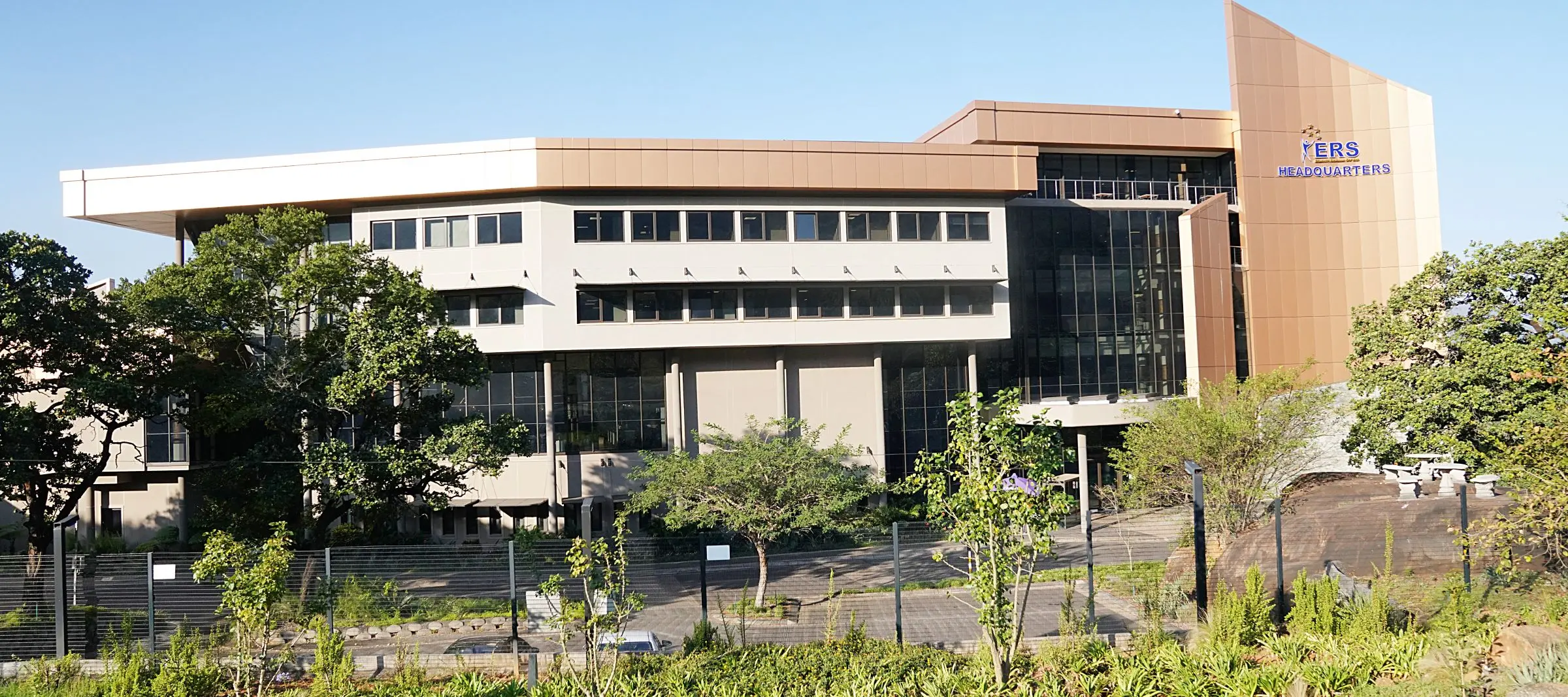
Corporate development is a recurring topic of discussion. Some of the country’s major corporations, including MTN Eswatini, Eswatini Revenue Service (ERS), FNB, Eswatini Communications Commission (ESCCOM), and, most recently, the Central Bank of Eswatini (CBE), have found new homes in the valley. Residents often express concerns about the impact of these businesses on the town’s tranquility.
“Many residents chose Ezulwini for its peace and calm,” Shongwe explains. “Corporate development brings additional traffic, auxiliary activity, and landscape changes. This can compromise the tranquility residents value, affecting their daily experience, from noise levels to commute times. Landscape change is natural and global, not unique to Eswatini, but for residents who value unspoiled surroundings, such changes can feel like a loss that cannot be restored.”
Shongwe emphasizes that the municipality approaches these concerns carefully, weighing the benefits of economic growth against the need to preserve the town’s green and peaceful character. “It’s about honesty, consistency, and clear communication. If mistakes occur, they should stem from failing to meet expectations, not from poor communication. We engage, address concerns, and aim for mutual agreement.”

Ezulwini is often referred to as the ‘Sandton’ of Eswatini, a title that reflects both its symbolic and practical significance. Shongwe interprets the term as a reflection of ambition. “Observers may use it because they see corporate growth mirroring trends elsewhere in Africa. My view is informed by experiences in South Africa and by looking at Singapore, a small city-state that balances conservation, a vibrant stock exchange, and modern infrastructure. Eswatini can aspire to that level of excellence. Ambition sets standards that benefit everyone, from commercial landowners to residents. The goal is to preserve tranquility while fostering commercial vibrancy.”
Balancing tourism, corporate development, and economic vibrancy is central to Ezulwini’s growth strategy. A town’s development depends on its economic activity. “Tourism should be supported, but so should corporate investment. Economic vibrancy is essential; towns that rely on a single revenue source risk decline. Balanced economic engines ensure sustainability,” Shongwe asserts.
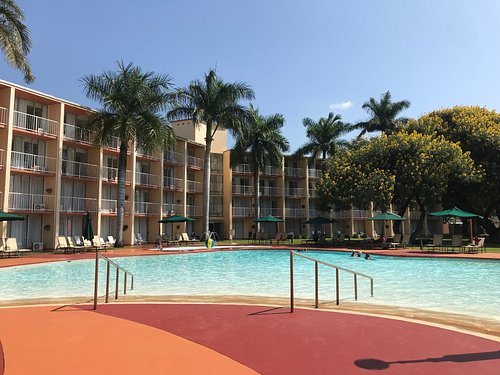
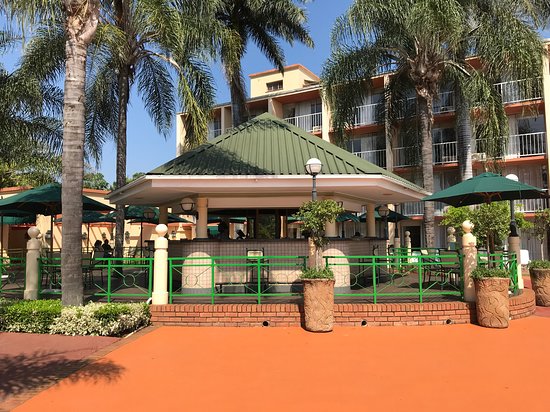
Shongwe identifies several high-potential areas for municipal growth. For Shongwe, one of the biggest blows to Ezulwini’s economic fabric was the closure of the Sun International Hotel. “We need an operator to run key facilities like the Sun Hotel, which had previously added vibrancy to the town,” he says.
The Sun International complex was more than a hotel; it was a hub for business tourism, entertainment, and leisure that anchored much of Ezulwini’s appeal. Its closure not only left hundreds unemployed but also disrupted the hospitality value chain. Local taxi operators, tour guides, artisans, restaurants, and entertainment providers all lost a critical source of income. “It left a gap in the town’s vibrancy,” Shongwe admits. “We engage with the liquidators, and while there’s interest from investors, deals often fall through. Until the right investor comes forward, the town will continue to feel that absence.”
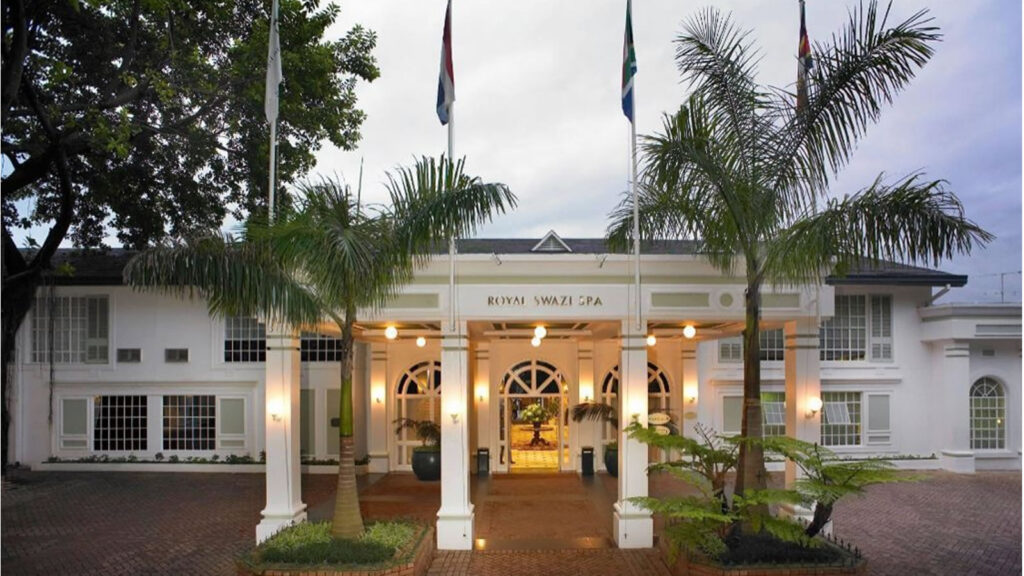

The hotel’s loss also affected Ezulwini’s positioning as a tourism destination. International visitors who once saw the Sun Hotel as a gateway to the Kingdom now face limited options, weakening Eswatini’s competitiveness. “Once that facility is revived, we know that a lot will begin to happen again,” Shongwe notes. “It will unlock auxiliary services and create new jobs, while reinforcing Ezulwini as a top destination for both business and leisure.”
While the closure of the Sun Hotel left a vacuum, the International Convention Centre (ICC) offers Ezulwini a different kind of opportunity. “The ICC becomes more of a multiplier,” Shongwe explains. “Without doubt, once it starts running fully, it can transform the town.”
Large conferences and conventions have ripple effects that extend far beyond the venue itself. Hotels, restaurants, handicraft vendors, tour operators, car rentals, and entertainment businesses all benefit from the influx of delegates. “Already, Ezulwini has hosted major golf tournaments and a number of corporate gatherings,” Shongwe points out. “How much more, if you are now able to provide, what else could start happening there? So we think there’s an opportunity. The handicraft sector, the entertainment industry, and even adventure tourism will thrive.”
He also points to the long-discussed waterfront development proposed in 2019, which seeks to combine tourism and office space. “Environmental stewardship is essential,” Shongwe adds. “We encourage property owners to develop sustainably, ensuring the town maintains its unique identity. The Central Bank’s green building is a great example of this approach.”
Adventure tourism and the potential development of hot springs are other avenues for growth. Locations such as Cuddle Puddle and Manzana hot springs offer untapped potential for tourism and wellness activities, complementing the town’s cultural and natural attractions.
Shongwe is keenly aware that municipal growth must include all residents, particularly the less privileged groups. Under the Office of the CEO, the Social Services Department addresses the needs of vulnerable populations, including the elderly and children in care programmes. Four National Care Points (NCPs) across the municipality provide food, learning opportunities, and modest stipends for volunteers. The municipality also helps children without birth certificates access government services, in partnership with the Deputy Prime Minister’s office.
Youth engagement is a priority. Through initiatives like partnering with Junior Achievement, partnerships with organizations such as the Youth Chamber of Commerce, Kwakha Indvodza, and programmes at the Yebo Gallery, the Municipality aims to equip young people with entrepreneurial and practical skills. Women also benefit from targeted programmes, including business acumen, entrepreneurship, and marketing training at the Handicraft Centre. By turning food waste into compost and fertiliser, women’s groups not only develop livelihoods but also contribute to environmental sustainability.
The municipality supports informal traders through street-based flea markets, while youth-oriented programs include wellness initiatives and gym facilities. “In short, Shongwe notes, “we try to cater for everyone (youth, women, SMEs) through structured programmes and community engagement.”
With corporate employees increasingly commuting from outside the municipality, planning is crucial. The Town Planning Scheme guides where rental accommodations can be developed, while adherence to the Ministry of Housing and Urban Developments Sectional Titles Act ensures residents can obtain full ownership over time.
Ezulwini’s Integrated Development Plan (IDP) and Comprehensive Mobility Plan address population growth, traffic management, and road network improvements. Recreational spaces, pedestrian walkways, and jogging areas are also prioritized to maintain safety and quality of life.

Shongwe emphasizes the importance of a strong relationship with local chiefs. “We collaborate on projects like waste management and environmental training. Of course, there’s always room for improvement, but we have meaningful, ongoing engagement with traditional leadership.”
Ezulwini’s transformation over the past three decades has been significant. From its origins as a Town Board in 1995 to its status as a Town Council in 2012, the municipality has matured in leadership and governance, reducing its dependence on the Ministry of Housing and Urban Development. “The 30 years reflect growth, development, safety, and tranquility. Despite challenges such as crime and GBV, we strive to maintain a safe environment that attracts residents and investors alike.”
Budget constraints are a persistent challenge. “Installing CCTV cameras is only one aspect of becoming a smart city,” Shongwe explains. “True innovation, such as real-time disaster monitoring and urban safety systems, requires larger budgets. Most of our land is residential, so we focus on improving streets, monitoring public and corporate spaces, and identifying weak points in infrastructure.”
The municipality is actively seeking alternative revenue streams and partnerships, including the Green Fund and FAO’s Green Cities programme, to expand its financial capacity. Sectional titles, though delayed, are progressing, with the first application already before the board.
Shongwe’s vision for the next decade is ambitious yet grounded. Service delivery efficiency remains the top priority, ensuring residents consistently receive value for money. Smart City initiatives, including electronic applications for building plans, improved traffic networks, and integrated urban infrastructure, are key targets. Plans include expanding the double-lane road from Mvutjini to Lobamba Police Station and improving municipal connectivity.

According to the CEO, Cultural and handicraft development is another focus. A state-of-the-art Handicraft Centre near the ICC will serve as both a tourism attraction and training hub for local artists. Eco-friendly hotels, waterfront developments, and a balanced approach to economic activity are also part of the strategy.
Shongwe is candid about the challenges: “Uncontained or underserved residents, as well as budget limitations, are the biggest hurdles. By managing finances carefully and seeking external partnerships, we aim to expand our revenue base and fund these initiatives.”
Ezulwini’s 30-year journey is a story of evolution, balance, and ambition. Under the leadership of Shongwe, the town has navigated the delicate intersection of corporate development, tourism, and community well-being. Its serene landscapes now coexist with modern infrastructure, cultural vitality, and entrepreneurial opportunities.
As Shongwe reflects, the town’s future lies in its ability to harmonize growth with conservation, ambition with inclusivity, and progress with tranquility. Ezulwini stands not only as a “Sandton of Eswatini” but also as a blueprint for municipalities striving to achieve sustainable, inclusive, and forward-looking development.