
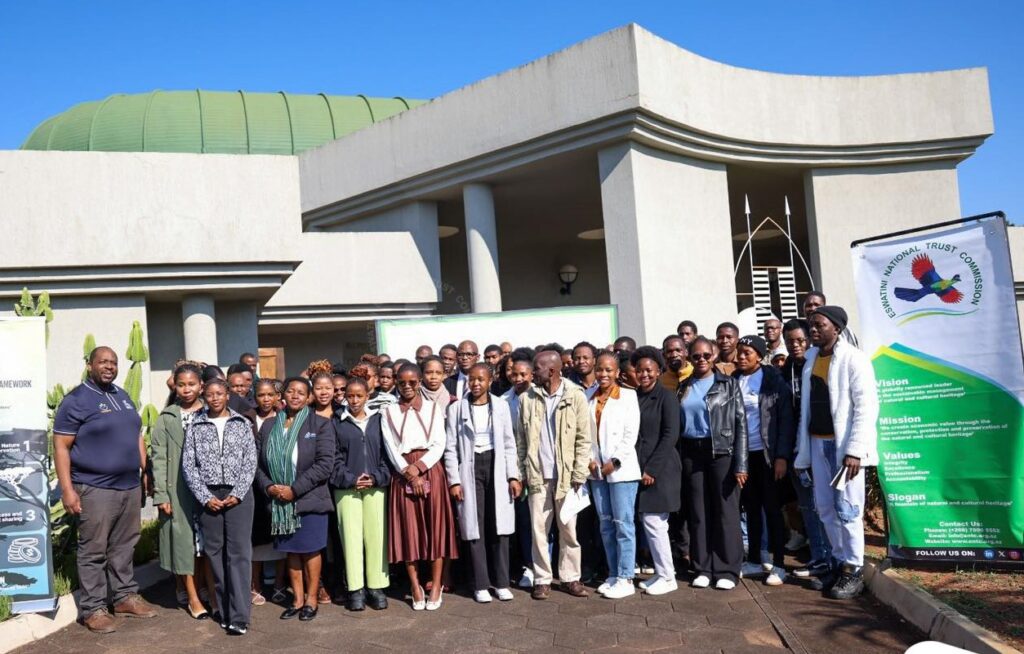
Young people are being positioned at the forefront of Eswatini’s environmental future following a high-level Youth Engagement Workshop hosted by the Eswatini National Trust Commission (ENTC) at King Sobhuza Memorial Park.
Held under the theme “Strengthening Youth Engagement in the Implementation of the NBSAP 3.0 and Nationally Determined Contributions (NDC 3.0),” the workshop brought together government officials, environmental stakeholders, and young leaders to discuss how youth can play a more active role in biodiversity conservation and climate action.
ENTC Chief Executive Officer Thulani Methula told participants that the country’s environmental challenges require urgent collective action and cannot be solved by government institutions alone. He emphasized that the Commission’s role goes beyond protecting biodiversity, heritage sites, and protected areas, extending deeply into empowering communities—especially young people—to take ownership of Eswatini’s natural heritage.
Methula described the workshop as a crucial platform designed to bridge the gap between national environmental policies and the realities faced by young people on the ground. He noted that climate change, biodiversity loss, and land degradation continue to threaten livelihoods, making active youth participation more urgent than ever.
“Young people are not just future leaders; they are current stakeholders whose voices and innovations are essential in shaping sustainable solutions,” Methula said. He further reaffirmed ENTC’s commitment to supporting youth-led environmental initiatives through mentorship, technical support, and partnerships aimed at creating long-term impact.
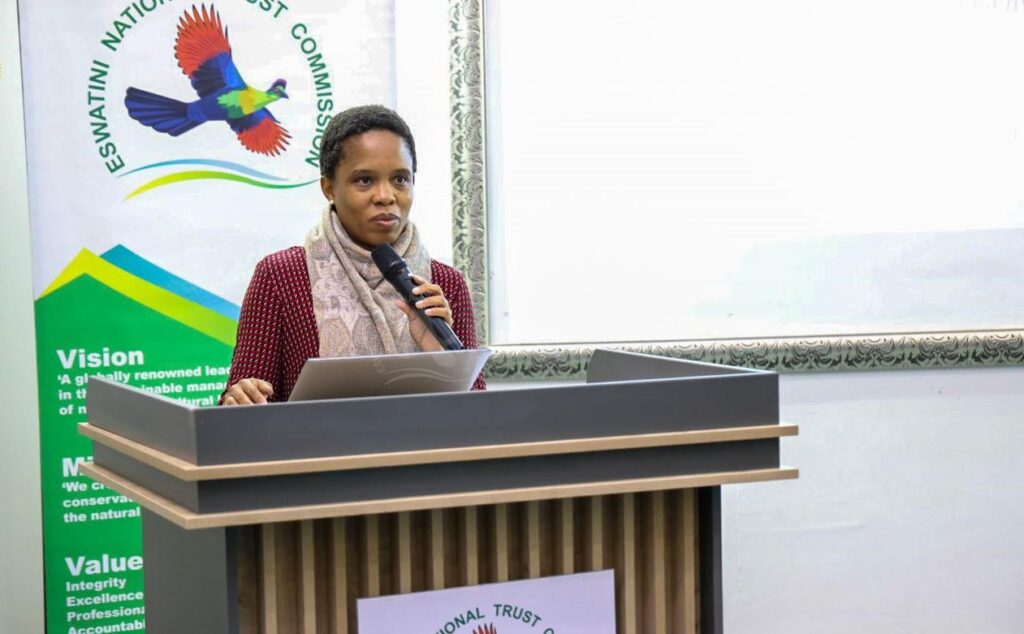
Speaking on behalf of the Ministry of Tourism and Environmental Affairs, Acting Principal Secretary Dudu Nhlengetfwa-Masina commended the ENTC and the Ministry’s Climate Change Unit for creating a platform that promotes youth inclusion in environmental governance. She noted that Eswatini continues to experience mounting environmental pressures, including climate change impacts, biodiversity decline, and land degradation, all of which threaten food security, livelihoods, and water resources.
Nhlengetfwa-Masina highlighted that despite young people making up a large percentage of the country’s population, their participation in environmental decision-making has historically remained limited. She said the ongoing review of the National Biodiversity Strategy and Action Plan (NBSAP 3.0) presents a timely opportunity to reposition young people from being mere observers to becoming active leaders in conservation and climate resilience efforts.
The Acting Principal Secretary also stressed that the Nationally Determined Contributions (NDC) framework offers an important pathway for integrating ecosystem restoration and sustainable land management into broader climate action strategies.
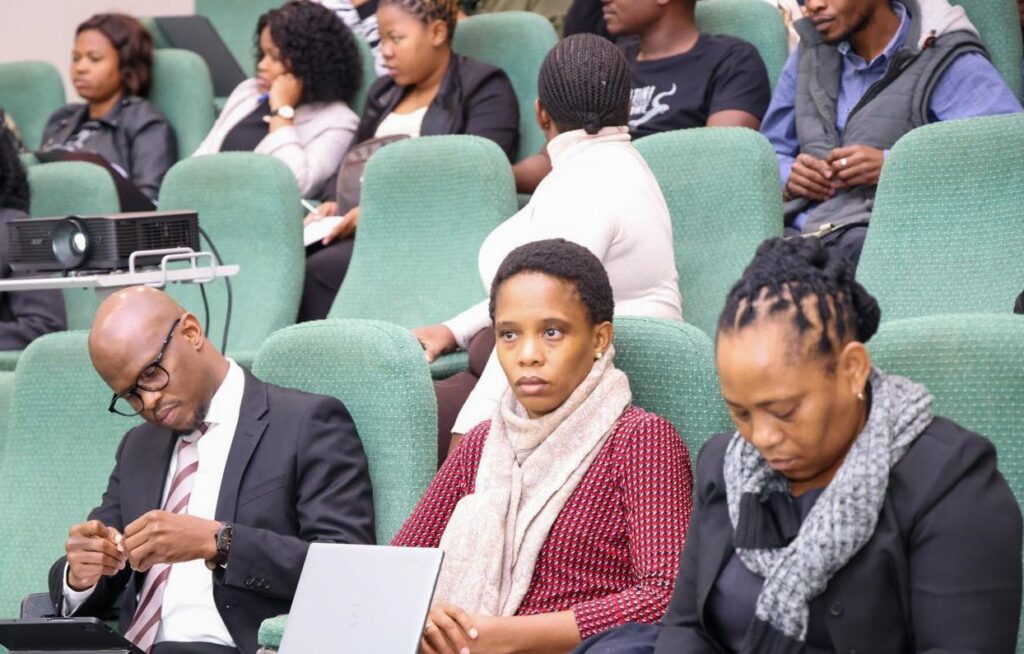
She encouraged participants to use the workshop as a launchpad for innovative thinking and collaboration, stating that youth-driven solutions will be critical in helping Eswatini meet its commitments under international frameworks such as the United Nations Framework Convention on Climate Change (UNFCCC) Paris Agreement and the Kunming-Montreal Global Biodiversity Framework.
The workshop officially marked the beginning of what stakeholders described as a long-term partnership aimed at ensuring young people become central players in shaping Eswatini’s environmental landscape.