

United Nations Resident Coordinator George Wachira has revealed that women occupy less than 20% of senior technology leadership positions across Africa despite growing participation in STEM education.
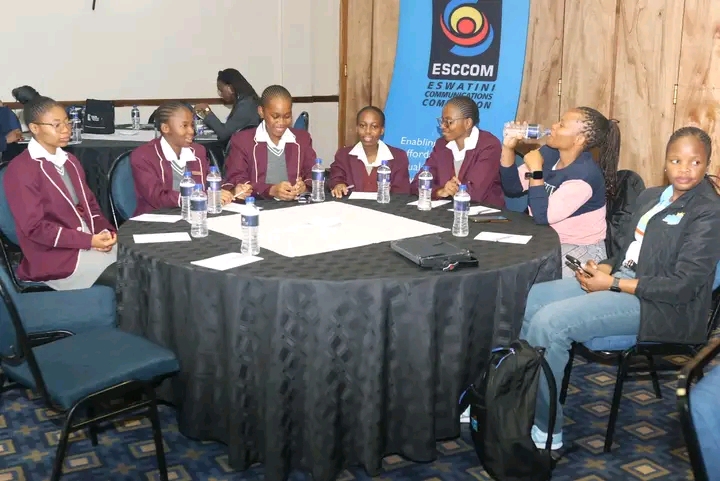
Wachira disclosed the figures during the Joint Commemoration of the International Day of Women and Girls in Science and International Girls in ICT Day 2026 held at The George Hotel on Tuesday.
Addressing delegates, Wachira said although Africa had made significant progress in expanding access to STEM education for women, the transition into employment and leadership remained unequal.
“Across Africa, we have made encouraging progress, with women earning about half of STEM-related degrees. But the good story runs into trouble as we look at the labour market,” he said.
He revealed that women currently hold only around 30% of STEM-related jobs across the continent, while fewer than 20% occupy senior leadership positions within the technology sector.
According to Wachira, girls’ participation in advanced STEM pathways also remains between 20% and 30%, highlighting persistent structural barriers that continue to limit women’s advancement in science and technology fields.
“Digital transformation is therefore not inclusive,” he said.
Wachira stressed that empowering women and girls in STEM is both an equity issue and an economic necessity.
“When girls are empowered to pursue STEM, we unlock the potential of half our population,” he said.
He further stated that encouraging girls to study STEM helps dismantle gender barriers, expand the innovation talent pool and create future female leaders capable of inspiring the next generation.
The UN official also called on African countries to prioritise investment in digital infrastructure, mentorship, teacher training and scholarship programmes aimed at increasing girls’ participation in STEM-related careers.
He recommended early exposure to hands-on STEM learning, gender-sensitive education systems and stronger collaboration between governments, the private sector and development partners.