
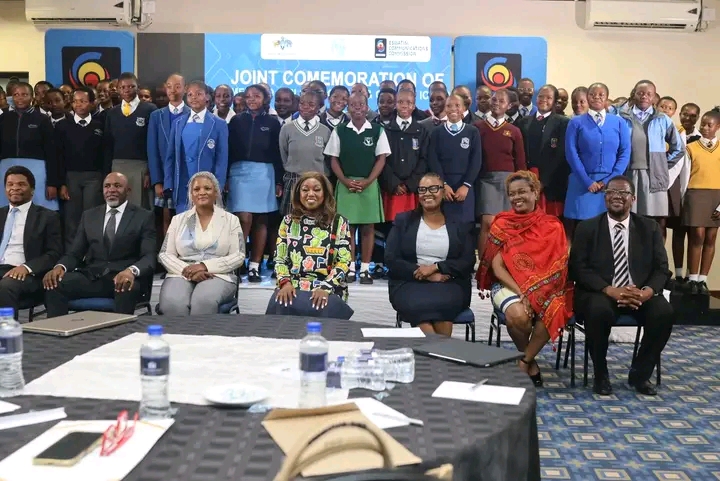
Women and girls must be fully included in Artificial Intelligence (AI) and Science, Technology, Engineering and Mathematics (STEM) sectors or the world risks deepening inequality and limiting innovation, United Nations Resident Coordinator George Wachira has warned.
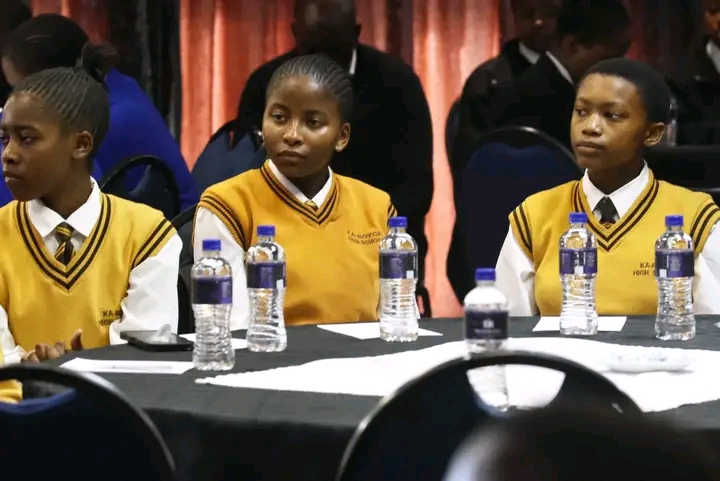
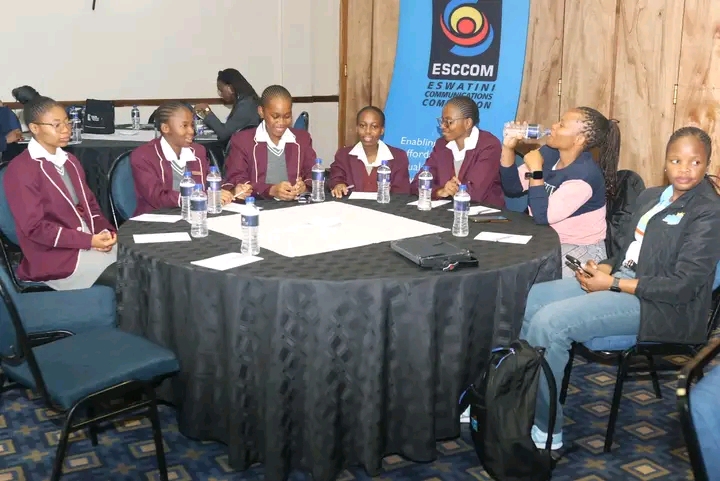
Wachira made the remarks on Tuesday during the Joint Commemoration of the International Day of Women and Girls in Science and International Girls in ICT Day 2026 held at The George Hotel under the theme: “Synergising AI and STEM; Empowering women and girls to shape an inclusive digital frontier.”
Addressing government officials, development partners, students and ICT stakeholders, Wachira said digital transformation and AI are rapidly reshaping economies, industries and societies, but warned that women remained significantly underrepresented in emerging technologies globally and across Africa.
“Artificial intelligence alone is projected to contribute more than USD15 trillion to the global economy by 2030, yet its benefits will remain uneven if women and girls are excluded from shaping its future,” he said.
According to Wachira, women account for approximately 35% of STEM graduates worldwide but represent only about 22% of the global AI workforce and less than one-third of researchers and technology innovators. He further revealed that while Africa has made encouraging progress in STEM education, major gaps remain in the labour market.
“Women hold only around 30% of STEM-related jobs and fewer than 20% of senior technology leadership positions, while girls’ participation in advanced STEM pathways remains between 20% and 30%,” he said.
Wachira described the disparity as a “structural constraint on innovation, productivity and the ability of economies to fully harness the opportunities of digital transformation.”
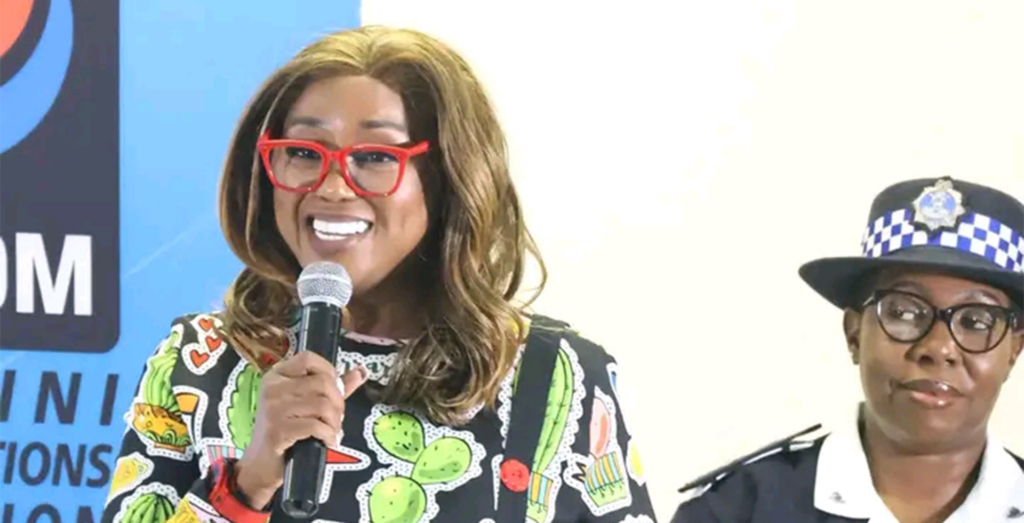
He stressed that empowering women and girls in STEM is no longer only a matter of gender equality, but a strategic development imperative essential for economic competitiveness and national development.
“For developing countries, STEM is not just a pathway to individual success but a strategic imperative for national development. It is the cornerstone of innovation, economic growth and societal progress,” he said.
The UN Resident Coordinator noted that Africa’s growing population, urbanisation and challenges in health, climate and energy demand homegrown STEM solutions driven by local innovators and scientists. He also called for African countries to move beyond exporting raw materials and instead invest in value addition, industrialisation, innovation and regional integration.
“To the traditional concepts of land, labour and capital, we must firmly add technology and its off-shoots,” Wachira said.
He urged government to invest in education systems that promote innovation, strategic thinking and digital skills from an early age, particularly for girls.
Wachira further highlighted several policy recommendations including early and inclusive STEM education, teacher training, improved digital infrastructure, mentorship programmes and targeted scholarships for girls.
He said public-private partnerships and community engagement would also be essential in dismantling stereotypes that discourage girls from pursuing science and technology careers.
Referencing United Nations Secretary-General António Guterres, Wachira said excluding women from science weakens the global capacity to address major challenges such as climate change, public health and technological security.
“The message is clear: countries that invest in inclusive digital capabilities today will shape more resilient, competitive and equitable economies tomorrow,” he said.
The event was jointly organised by the Ministry of ICT, Eswatini Communications Commission and the International Telecommunication Union.
Speaking during the same event, Savannah Maziya said government remains committed to building a skills-driven and innovation-led economy through initiatives aimed at empowering women and girls in science and technology.
She highlighted programmes such as the Udacity coding programme, the STEM Mentorship Programme, Women in Science, Engineering and Technology (WiSET), the African Girls Can Code Initiative and the Government in Your Hand programme as part of efforts to strengthen digital inclusion and innovation in Eswatini.
“To our young women and girls: your potential is immense. Your ideas are valuable. Your contribution is needed,” Maziya said.
She encouraged girls to take up space in science laboratories, coding platforms, innovation hubs and leadership positions as Eswatini embraces AI and emerging technologies.