
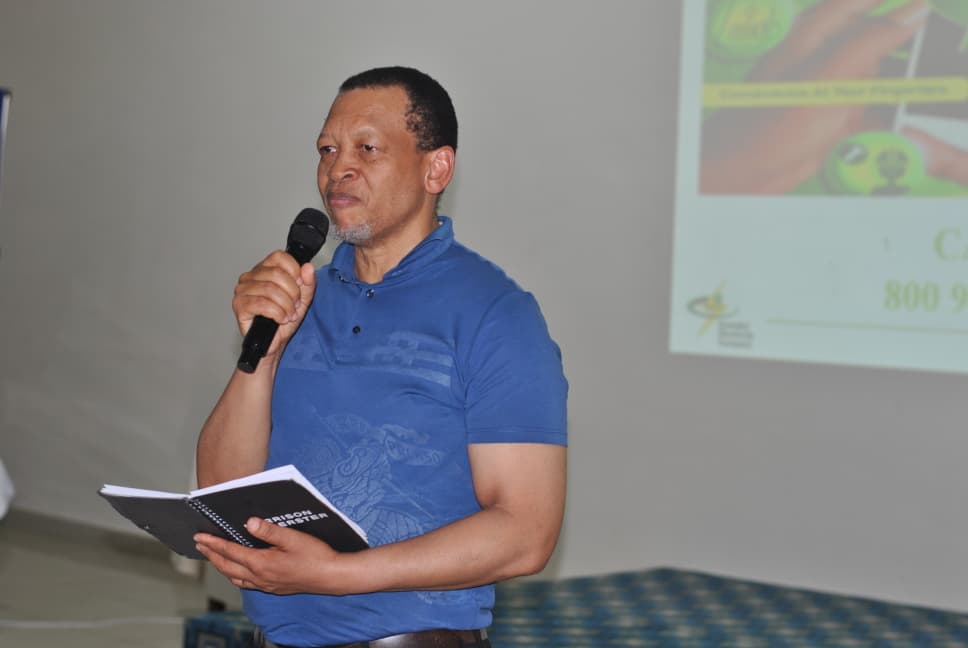
The Managing Director of the Eswatini Electricity Company (EEC), Ernest Mkhonta, has revealed that the utility spent E18 million in January 2025 to replace stolen and vandalized transformers.
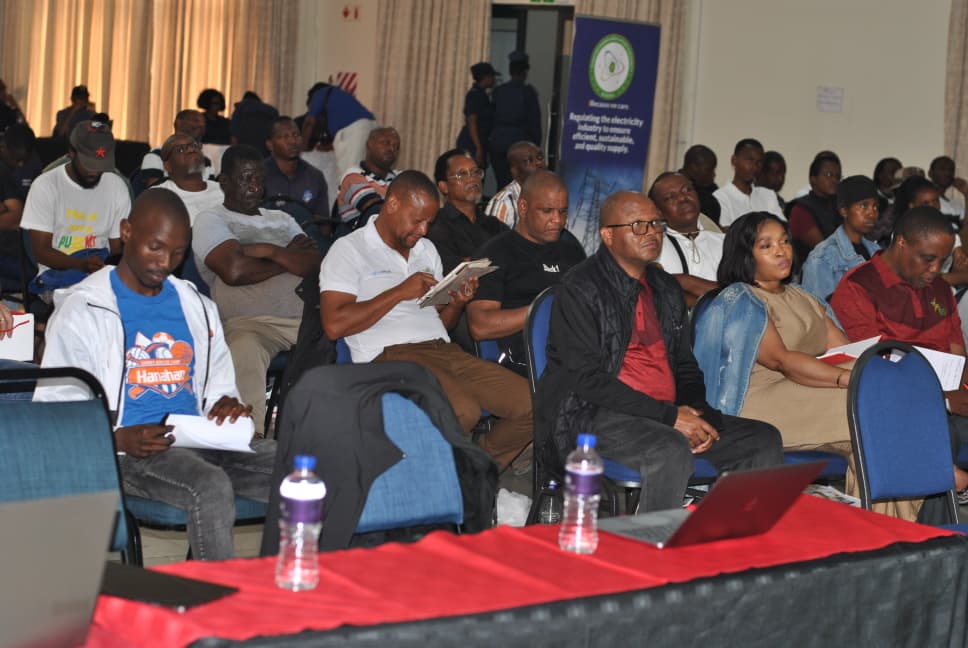
Mkhonta disclosed this during the Electricity Tariff Adjustment public consultations in Manzini on Saturday. Speaking to stakeholders at The George Hotel, the EEC MD said that widespread vandalism of electricity infrastructure remains one of the utility’s most significant and preventable cost drivers, directly influencing the need for tariff adjustments.
He explained that in some instances where the entire transformer is stolen, vandals often cut and steal cables from transformers, causing damage that renders them unusable, forcing the company to replace equipment costing up to E50,000 per unit.
In January 2025 alone, we spent about E18 million on transformers. When we investigated, we found that although the transformers had been installed previously, people had cut the grounding wire just to sell it for a few emalangeni,” he said.
The MD emphasized that such losses are not absorbed by the utility but are incurred on consumers’ behalf to restore power supply and maintain network reliability. “This expense comes back to you, the consumer. You would have already paid for this transformer once. Replacing it again is an unnecessary cost,” he added.
He further accused scrap-metal dealers of enabling vandalism, saying they share responsibility for rising electricity costs. “The scrap merchant is as guilty as the vandals who destroy this infrastructure. They do not cooperate with us to curb these activities,” he said.



During the engagement, stakeholders asked why EEC does not install surveillance or tracking systems, such as CCTV, on transformers. In response, General Manager for Operations, Vusi Gama, said the move would be prohibitively expensive. “There are over 20,000 transformers nationwide, and monitoring each one would significantly drive up costs,” Gama explained.
Beyond vandalism, EEC has also incurred additional costs due to extreme weather events. According to the MD, the utility spent E32 million restoring infrastructure damaged by storms between October and December last year, including E11 million for hail and high winds, E6 million for lightning damage, and E14 million after severe thunderstorms in late December.
Meanwhile, Nontetselelo Nkambule, who represented the Swaziland Consumer Association, at the Mbabane leg of the public consultations, held at Thokoza Hall, warned that increasing electricity tariffs could have unintended social consequences, including a rise in copper cable theft.

“If electricity becomes more expensive, people will resort to desperate measures,” Nkambule said. “Some will steal copper to raise money for electricity, while others may resort to illegal connections.” She said high electricity costs not only affect households and businesses but also create security and infrastructure challenges that ultimately cost the nation more over the long run.
Mkhonta concluded by urging communities to play an active role in protecting electrical infrastructure by reporting suspicious activity around power lines, transformers, and substations. “If you see anything suspicious around our infrastructure, please report it. These are public assets, and the cost of replacing them affects everyone,” he urged.