
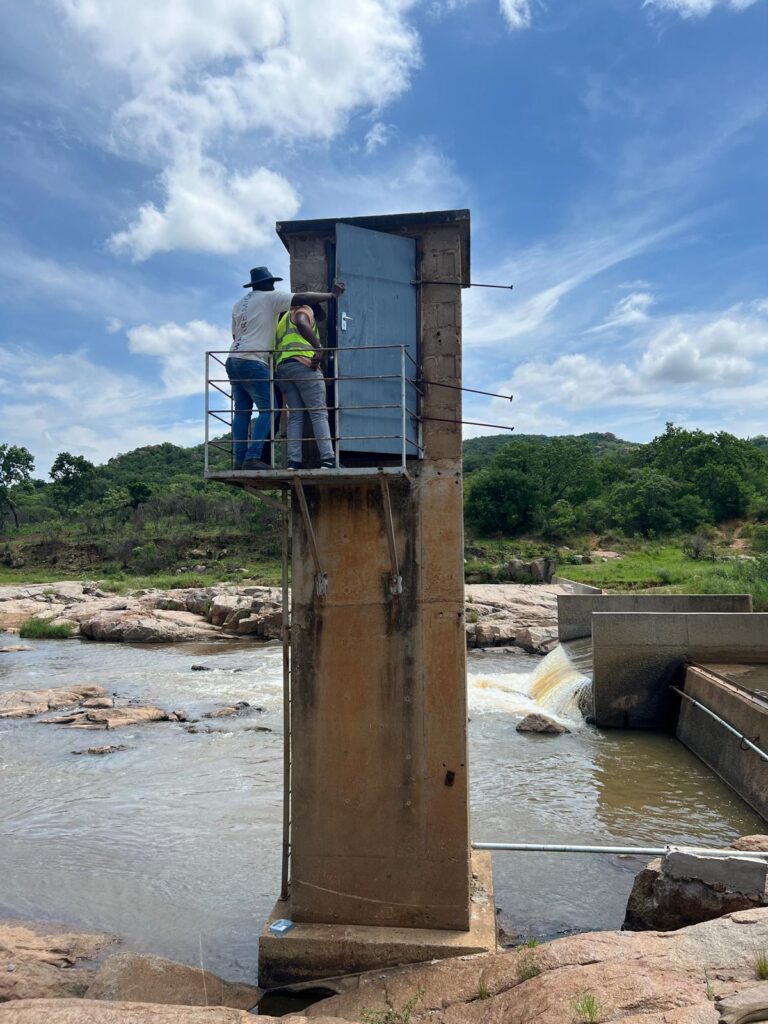
By Ayanda Dlamini
As Eswatini enters the peak of the rainy season, water safety has become a growing concern for communities, infrastructure developers, and water-dependent businesses operating near rivers and streams.
The Joint River Basin Authorities – Project Board (JRBA-PB) has warned that effective water safety management is essential during this period to protect communities, safeguard investments, and strengthen national resilience.
“Water safety is fundamentally a governance and risk-management issue,” said JRBA-PB Acting Chief Executive Officer Takhona Dlamini. “When rivers overflow, or water infrastructure is poorly planned, the consequences affect transport networks, agriculture, schools, and local businesses. Proactive planning is far more cost-effective than emergency response.”
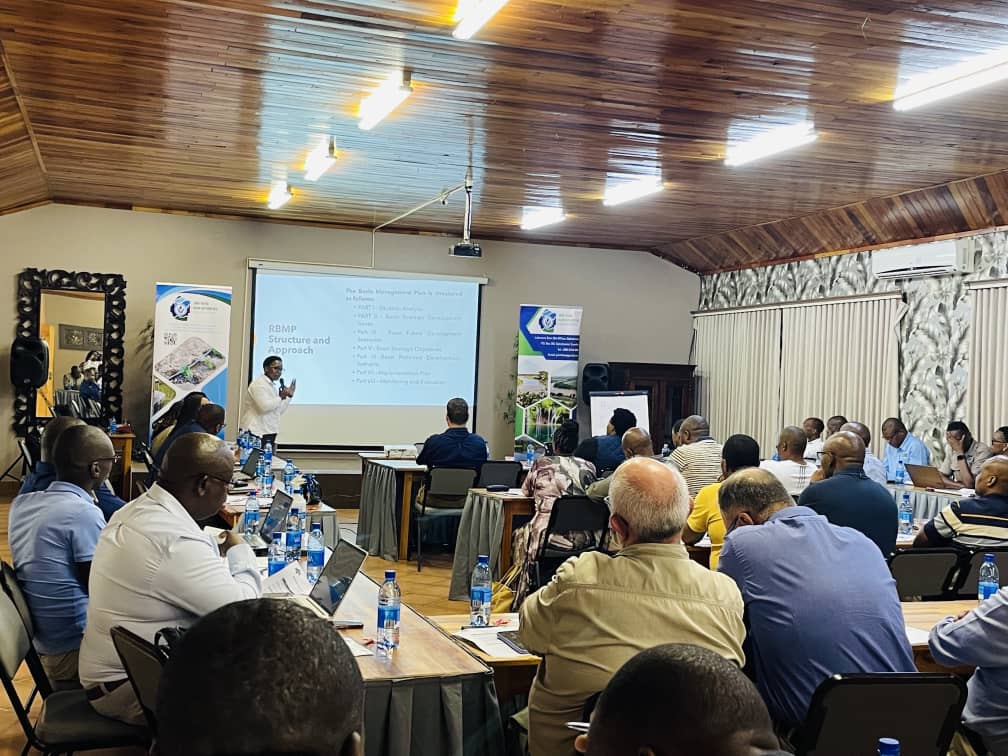
During the rainy season, rivers can rise rapidly and unpredictably. Flooded crossings, unstable riverbanks, and submerged debris pose risks to pedestrians, vehicles, and water infrastructure. These hazards can disrupt supply chains, limit access to markets and services, and lead to costly repairs for both the public and private sectors. Communities near rivers, including workers and learners who cross watercourses daily, remain particularly vulnerable.
JRBA-PB partners with Eswatini’s five River Basin Authorities to promote coordinated, basin-level planning that integrates hydrological data, technical assessments, and local knowledge. This approach guides safer infrastructure placement, responsible water abstraction, and improved flood-risk preparedness across river basins.


A key tool supporting this work is the water permitting system, which helps authorities understand where water is withdrawn, how much is used, and the existing infrastructure along watercourses.
Permitting supports sustainable allocation, protects river ecosystems, and reduces safety risks from over-abstraction or unsafe development. “From a business perspective, water permits are not merely regulatory requirements,” Dlamini said.
“They are risk-management tools that protect investments, reduce liability, and ensure reliable water access during extreme weather events.” While water safety is a year-round concern, the rainy season coincides with learners’ return to school, heightening exposure to river-related hazards.
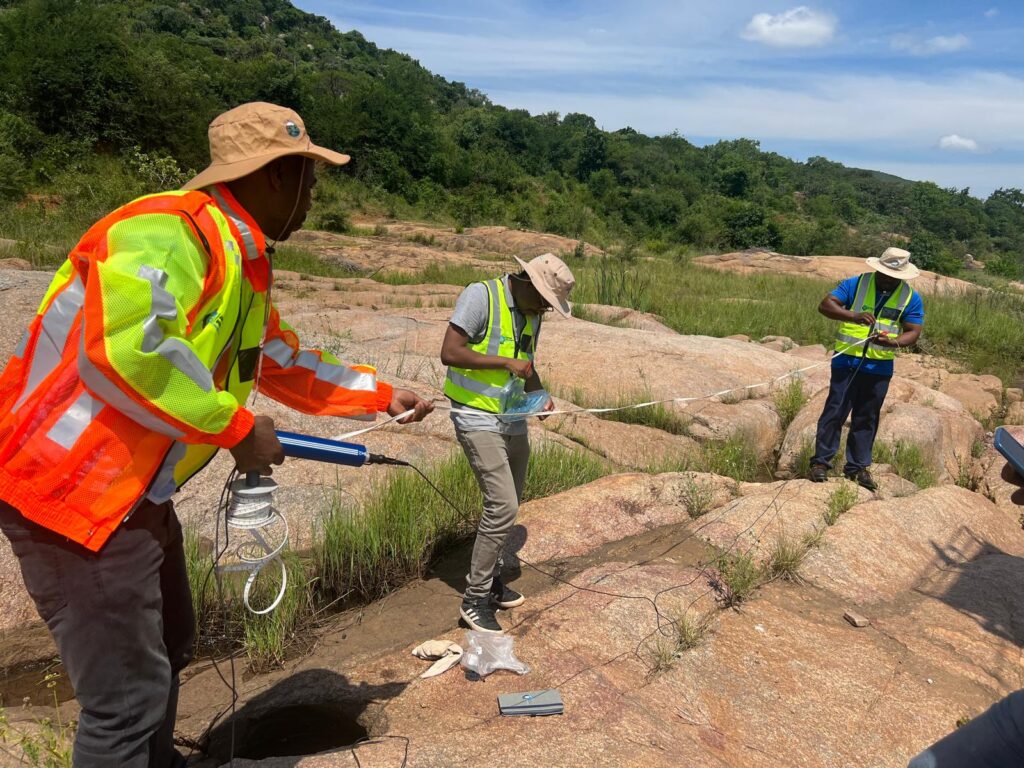
JRBA-PB encourages communities and schools to take practical precautions, including avoiding flooded crossings, monitoring river conditions, delaying travel during heavy rainfall, and reporting damaged or unsafe infrastructure to local authorities.
Water safety efforts are guided by the Eswatini Water Act of 2003, which provides the legal framework for equitable, responsible, and sustainable water use. As climate change intensifies rainfall variability, JRBA-PB emphasizes that coordinated planning, transparent permitting, and shared responsibility are essential to safeguarding lives, livelihoods, and Eswatini’s long-term economic stability.