
By Ayanda Dlamini
A combined E300,000 injection from First National Bank (FNB) of Eswatini and UNESCO has set the stage for the launch of the ESCCOM High School Film Competition.
This is a national initiative that positions young emaSwati at the center of the country’s creative, cultural, and digital future. The competition signals strong private-sector and international confidence in youth-led storytelling and in the growth of Eswatini’s creative industries.
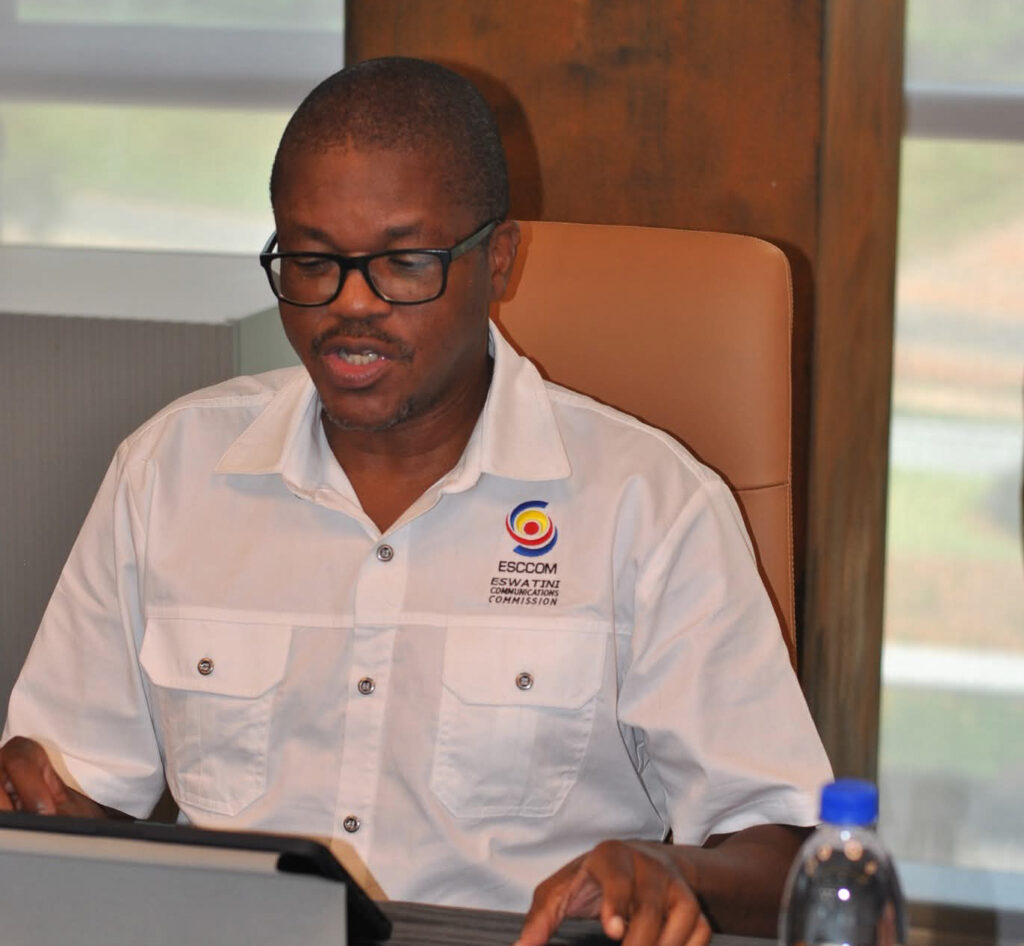
ESCCOM Chief Executive Mvilawemphi Dlamini, in his remarks at the launch, noted that the funding goes beyond sponsorship, describing it as a strategic investment in local content, skills development, and long-term industry sustainability. “This competition is not just about filmmaking; it is about building the future of Eswatini’s broadcasting and creative sectors,” Dlamini said. “By investing in young people today, we are deliberately shaping the next generation of storytellers, producers, and innovators who will define our media landscape tomorrow.”

As the national regulator of the broadcasting sector, ESCCOM has increasingly emphasized the need for high-quality local content that reflects Eswatini’s cultures, languages, and lived realities.
The High School Film Competition directly addresses this gap by introducing learners to the whole filmmaking value chain, from scriptwriting and acting to directing, sound production, and production management.
Unlike traditional competitions, the initiative focuses on early talent identification, targeting learners as they decide on their future careers. ESCCOM believes this early exposure can unlock hidden talents and guide students toward creative and technical professions often overlooked in conventional career pathways.
Participants will gain hands-on experience in teamwork, discipline, creativity, and resilience, skills that extend far beyond film into broader employability and entrepreneurship.
Linking High Schools to Universities

One of the competition’s distinguishing features is its collaboration with the University of Eswatini (UNESWA) and Limkokwing University of Creative Technology (LUCT). University students will mentor and work alongside high school learners, creating a practical bridge between secondary and higher education.
This approach enables real-world skill transfer and mentorship that theory alone cannot achieve, while also strengthening the credibility and quality of the productions. ESCCOM says the model helps build a sustainable pipeline of trained professionals for the broadcasting and creative industries.