
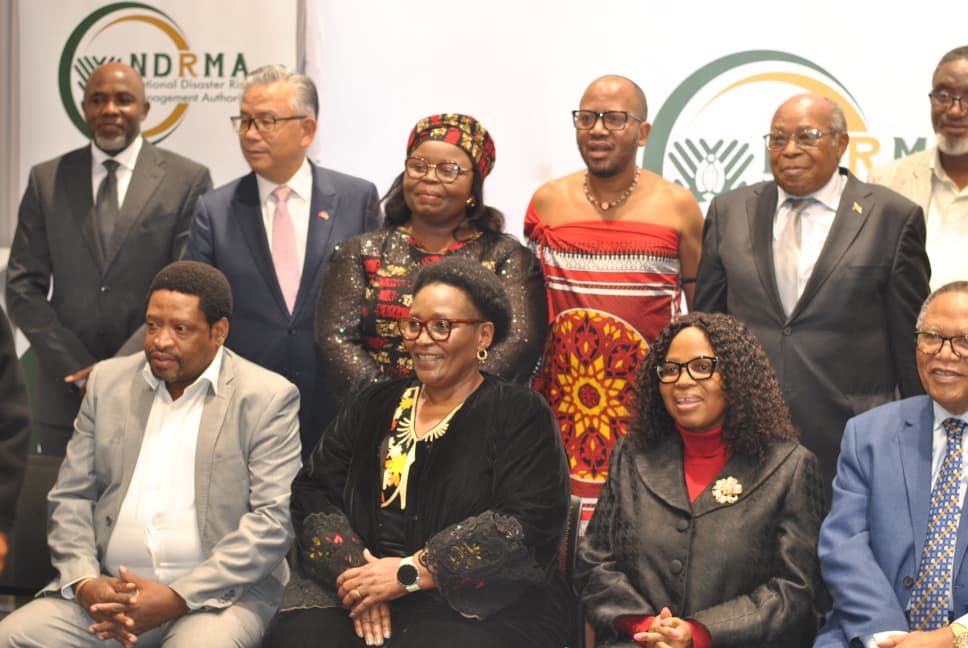
Following the December 2025 enactment of the Disaster Risk Management (DRM) Act by His Majesty King Mswati III, Eswatini has officially rebranded the National Disaster Management Agency (NDMA) into the National Disaster Risk Management Authority (NDRMA), marking a shift in both institutional identity and national disaster management strategy.
The rebrand was formally unveiled on Tuesday during an official launch officiated by Deputy Prime Minister, Thulisile Dladla, who described the transition as a historic step in strengthening disaster risk governance in the Kingdom.
“This transition is not only symbolic,” Dladla said. “It represents a significant change in the way government intends to manage disaster risk. The country is moving from a system that was largely associated with disaster response to a stronger and more proactive system focused on risk reduction, preparedness, early warning, response, and recovery.”
The transformation follows Cabinet’s approval of the operationalisation of the DRM Act, 2025, which establishes the NDRMA as the principal national institution mandated to coordinate and monitor disaster risk across Eswatini.
Central to the rebranding is the introduction of a new institutional identity, including a logo and a Siswati name, Umvalo Wesive, both of which were officially unveiled at the launch.
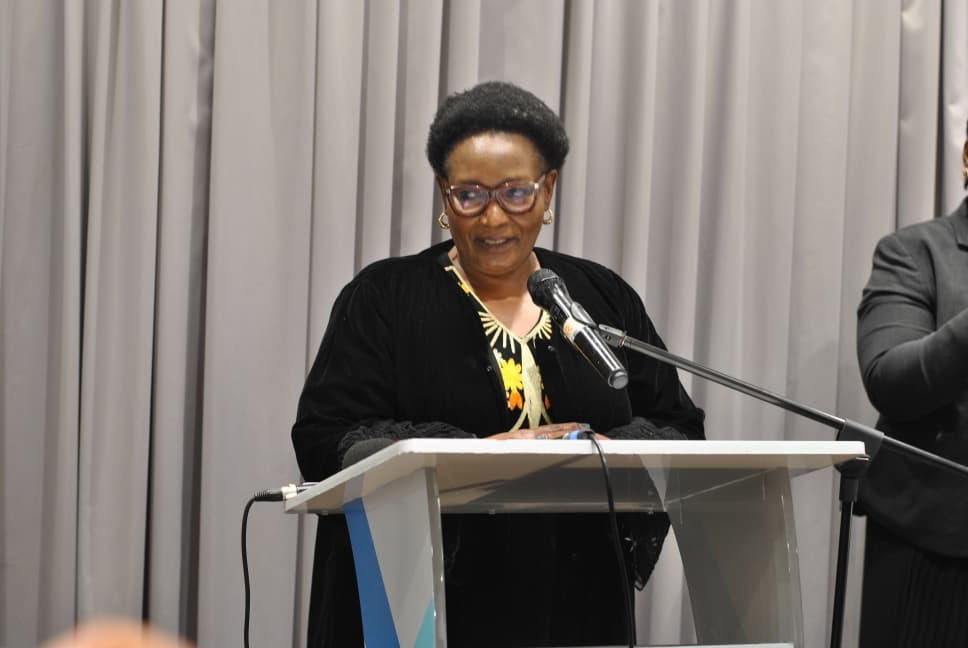
The Deputy Prime Minister said the new identity reflects a renewed mandate and a broader responsibility for disaster risk management, positioning the authority as a national leader in resilience-building rather than a reactive emergency body.
“The new logo represents a public symbol of protection, resilience, coordination, and national preparedness,” she said. “It must help the public understand that the authority is not only called when disasters occur, but is also responsible for helping the nation prepare, reduce risk, and take early action.”
The Siswati name emerged from a nationwide public competition that attracted over 1,650 entries, reflecting deliberate efforts to involve citizens in shaping the institution’s identity. A seven-member adjudication committee, guided by a language expert from the Ministry of Education, oversaw the selection process.
“This name is important because institutions must speak to the people they serve,” Dladla noted. “It gives the authority cultural meaning, national ownership, and public connection.”
Winners of the naming competition were recognised during the event and will serve as ambassadors for disaster risk reduction, underscoring government’s commitment to citizen participation and ownership.
While the rebranding introduces a new name and visual identity, officials emphasised that the transition represents a deeper institutional transformation.
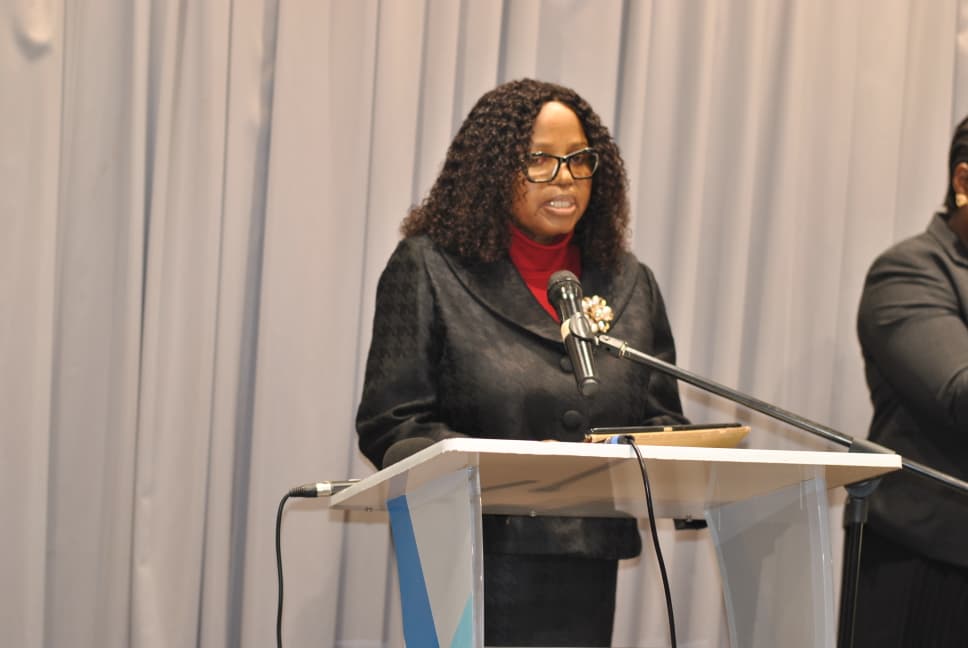
Speaking during the launch, the Board Chairperson, Nomathemba Hlophe, said the establishment of the NDRMA places renewed responsibility on the board, management, staff, and stakeholders to translate the intentions of the DRM Act into “practical, visible, and meaningful action.”
“The authority must be more strategic, accountable, and forward-looking,” the Chairperson said. “It requires strong systems, clear procedures, credible information, responsible resource management, and continuous engagement with the public and stakeholders.”
The Board has committed to providing strategic oversight to ensure the authority remains aligned with its mandate, while supporting management in building systems required under the new legislation.
Institutional discipline, Hlophe added, will be critical, with emphasis placed on strengthening internal controls, investing in human capital development, modernising information systems, and maintaining public trust.
The rebranding also signals a shift towards more structured and sustainable disaster risk financing. The Chair highlighted plans for the establishment and operationalisation of a National Disaster Management Fund, which is expected to play a key role in mobilising resources to address growing disaster risks.
“The scale of disaster risk facing the country cannot be managed through government alone,” the Chairperson said. “It requires partnerships, innovation, private sector engagement, and structured disaster risk financing.”
Government has called for increased collaboration across ministries, municipalities, development partners, civil society, the private sector, and traditional authorities, stressing that disaster risk management requires a whole-of-society approach.
A key pillar of the reformed institution is decentralisation, with a strong emphasis on ensuring disaster risk management is felt at regional and community levels.
The Board noted that the effectiveness of the authority will ultimately be measured by its impact at the “last mile,” where communities face the direct effects of disasters.
“We must ensure that the authority is not only visible nationally, but effective at community level,” the Chairperson said.
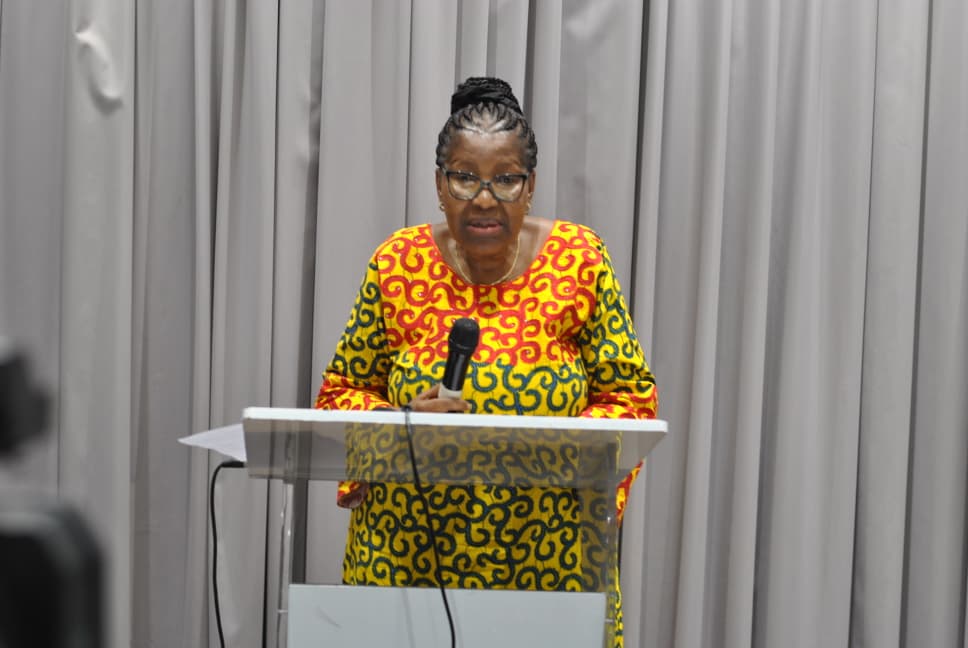
Echoing this sentiment, Hhohho Regional Administrator, Princess Tsandzile, welcomed the transition, describing it as a shift towards a more coordinated, collaborative, and community-focused system.
“As the regional administration, we know that risks and hazards affect communities directly,” she said. “We reaffirm our commitment to strengthening preparedness, improving coordination, and building resilient communities across the country.”
The Deputy Prime Minister underscored that the rebranding comes at a time when disaster risks are increasing due to climate change and variability. Recent years have seen a pattern of severe storms, prolonged rainfall, and dry spells occurring within the same season, posing significant challenges to livelihoods, infrastructure, and national development.
“Disasters affect every sector of society and often reverse development gains,” Dladla said. “For this reason, disaster risk management must be treated as a national development priority.”
The NDRMA is expected to strengthen early warning systems, improve risk information, enhance emergency preparedness, and support resilience-building initiatives across the country.
As the country transitions from NDMA to NDRMA, government has emphasised that the launch marks the beginning, not the end, of a broader reform process.
“The launch is not the end of the transition. It is the beginning of higher levels of responsibility,” the Board Chairperson said.
The Deputy Prime Minister urged emaSwati to rally behind the new authority, stressing that effective disaster risk management requires collective effort.
“The authority belongs to the people of Eswatini,” she said. “Together, we must build a nation that is safer, better prepared, and more resilient.”