
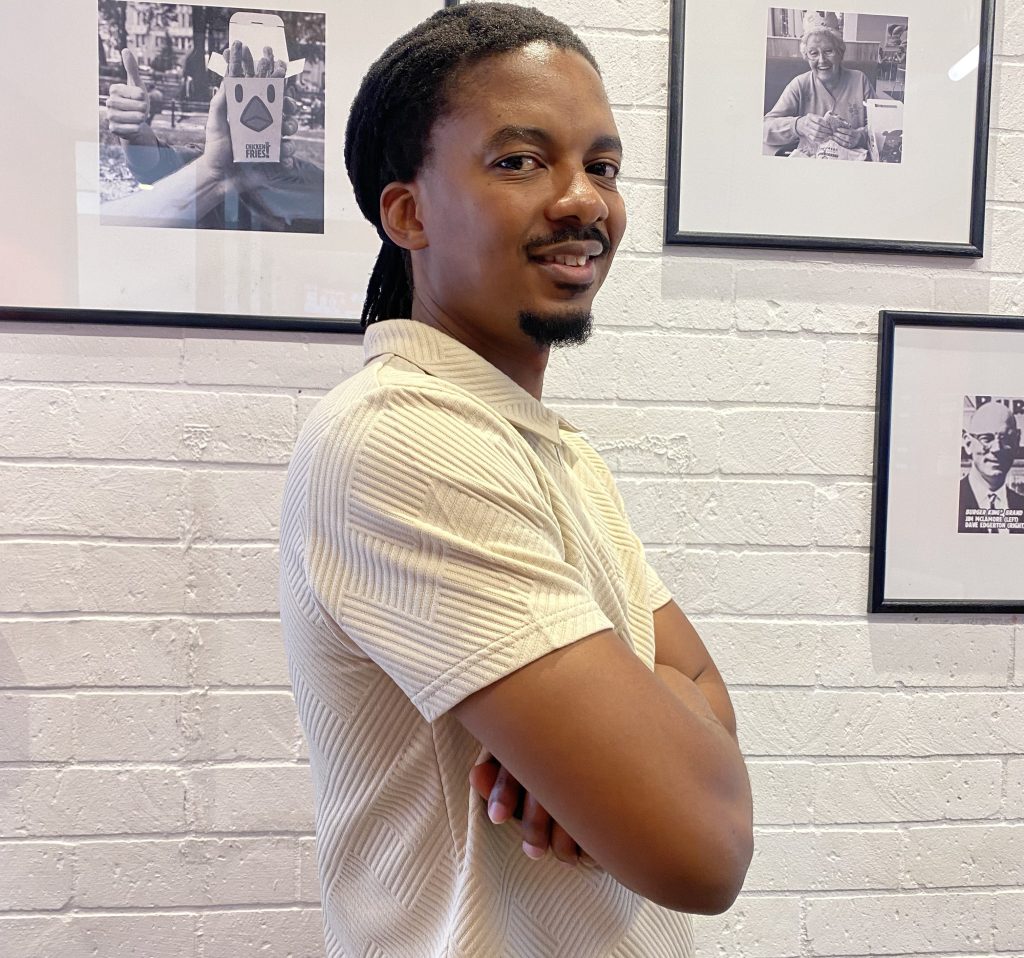
Q: Can you start by telling us about yourself?
A: I grew up in Sidwashini (Dark City), where I lived with my grandmother. I began school at Sidney Williams Primary in Manzini. My mother was a teacher and my father a businessman. Being the eldest of eleven children meant that responsibility was something I carried from a young age.
I watched my father work tirelessly, and although it often took a toll on him, that commitment to hard work left a lasting impression on me. I later attended Bahai High School, then spent a year at UNESWA before enrolling at the University of Pretoria to study Real Estate. Those years shaped me a great deal, both academically and personally. Along the way, I discovered a passion for Town Planning. With a few university friends, we even co-founded a small real estate business, which deepened my excitement for the field. That interest opened doors. A major real estate company in South Africa offered me a paid internship, and after reviewing my qualifications, they expressed interest in sponsoring me for further studies to upgrade my credentials from having a BSc in Real Estate to having an Honours degree in the same field. For a young professional at that stage, it felt like a breakthrough opportunity, and I was genuinely excited about the direction my career was heading in South Africa.
Q: How did your time in South Africa impact your outlook on business and life?
A: It was tough at first. In Pretoria, I encountered racism for the first time. In many of my classes, the ratio was about 70% white to 30% black, and outside the lecture halls, at nightclubs or bars, we were often treated differently, sometimes even charged more, simply because of our skin colour.
What cut the deepest were the classroom debates, where I heard comments like, “African businesses always die with their founders.” That stung deeply. But instead of breaking me, those experiences built me. They forced me to reflect on identity and the role of Africans in business. I made a decision then: my father’s company would not die with him. That resolve made me proud to be LiSwati and fueled my commitment to building businesses that could outlive their founders.
That period completely shifted my worldview. It deepened my appreciation for local capacity and reinforced the importance of creating platforms that showcase and sustain homegrown talent.
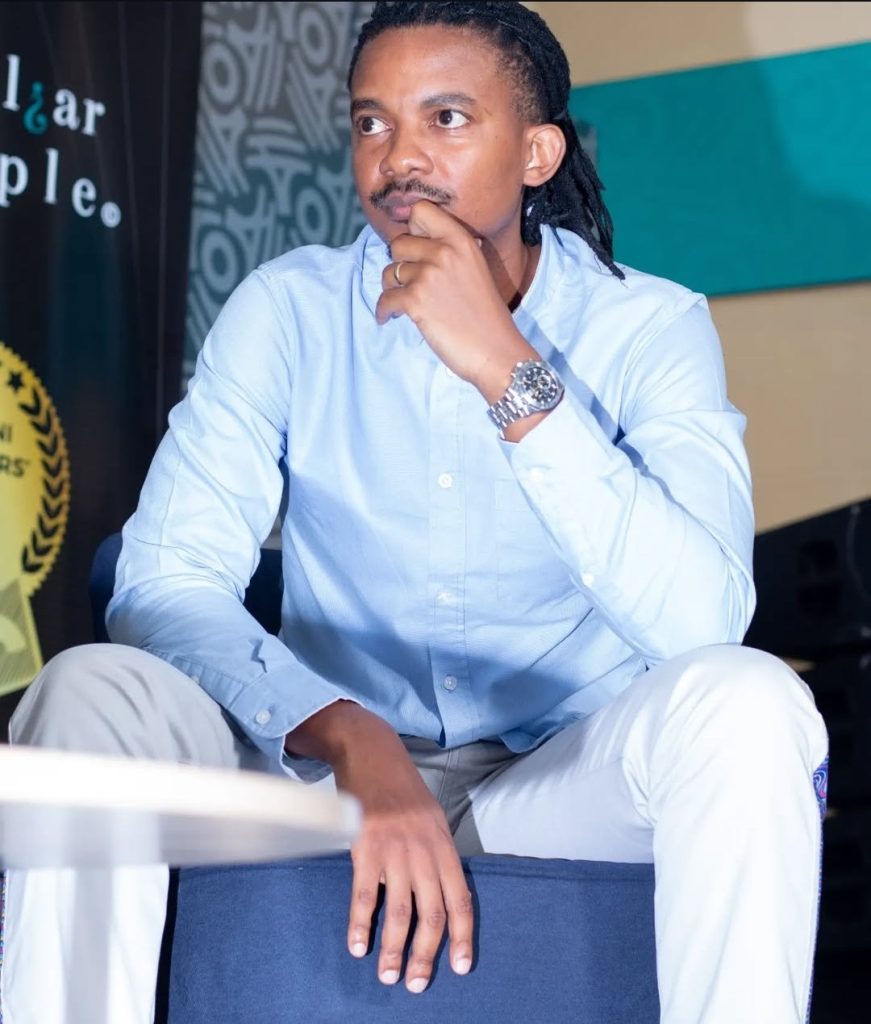
Q: What brought you back to Eswatini, as your career was just taking off in SA?
A: My father passed away in a motorcycle accident. My father rode his superbike often and loved riding with friends in South Africa. This time, something went terribly wrong. I never learned every detail, but the accident was the turning point. My life pivoted from personal plans to family duty.
I had only just graduated, and he had come to Pretoria to celebrate with me. We went out for dinner, and I was happy to see him because we did not see each other often. While I was preparing an assignment for my internship, my aunt called to tell me he had died. That phone call changed everything. One moment, I was building a future in South Africa, the next I was forced to consider family responsibilities back home.



Q: Would you mind telling us a bit about your father and the kind of relationship you had?
A: My father was a reserved and firm man, qualities that shaped him into a strong entrepreneur. Our relationship was grounded more in respect and observation than in constant conversation. He wasn’t one to use many words, but he was always present when it truly mattered, leading by example in both business and family life. Growing up, I learned a great deal just by watching how he carried himself and managed responsibilities. Even when I didn’t fully grasp those lessons at the time, they stayed with me and continue to guide me today.
Q: Tell us about your first experience in business.
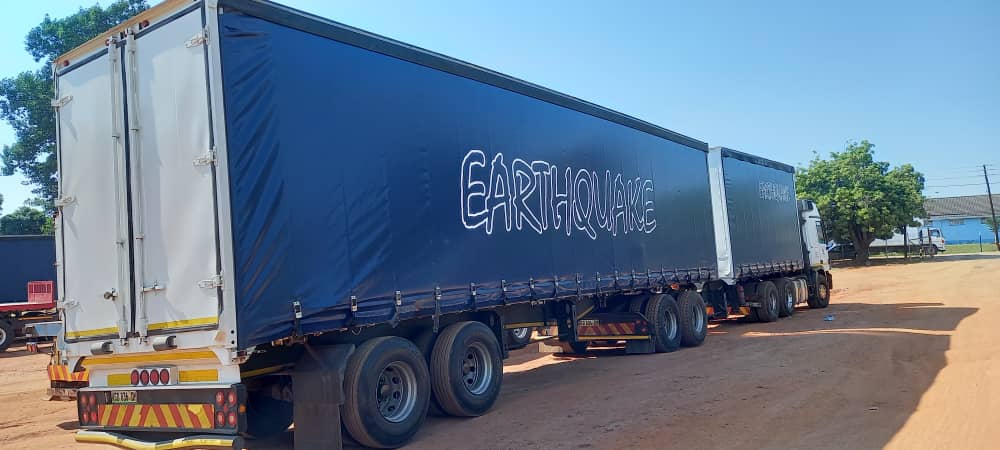
A: As a child, I did small tasks that felt like chores but taught me the basics of work. My uncle ran an events business, and I remember helping to set up tents and chairs. Later, I washed sugar sacks with my brothers on the riverbank before they were loaded for Big Bend and shipped to Johannesburg. I also travelled with drivers and slept in the back of trucks to Johannesburg, watching logistics up close.
Those experiences taught me the street side of logistics but not the paperwork. My father deliberately shielded me from administration so I could focus on education. In hindsight, those early hands-on moments were the foundation I later relied on.
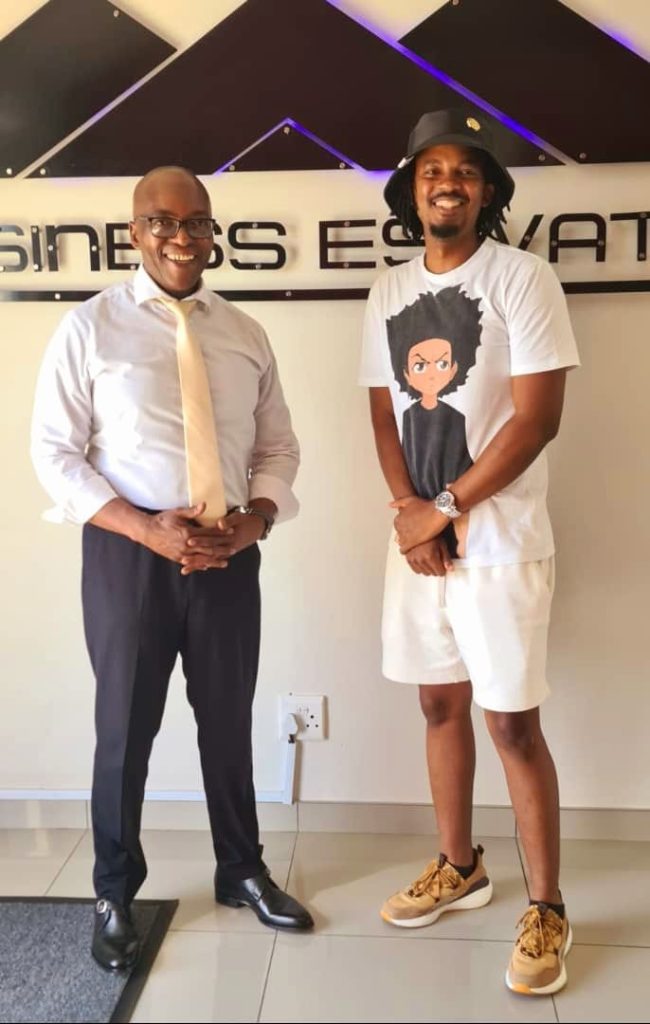
Q: Transitioning into a leadership position must have been tough?
A: It was a shock and overwhelmingly difficult. I had been offered a job and had scholarship opportunities in South Africa; I was building a career. Then one call from my aunt changed everything. I discovered later that my father had made me a chief shareholder by getting me to sign paperwork during university, papers I did not fully understand because I trusted him.
Suddenly, I had to manage contracts, licences, payroll, suppliers and staff. The stress was extreme. I ground my teeth at night; my mother advised me to sleep with a ruler in my mouth to protect my teeth because I was clenching so hard. I lost weight because the responsibility took a toll on me physically and mentally.
Quitting wasn’t an option. I had those voices from Pretoria in my head saying African businesses die with their owners. I was determined to prove them wrong. I met the drivers and crew; they mostly stayed, and we began the slow work of stabilising the business. Discipline became everything. Even when small amounts of money landed in the account, I treated it as fragile capital, carefully prioritising fuel, repairs, wages, and rent. That discipline is the reason Earthquake Africa survived.
Q: Did you ever feel the CEO role was more of a burden than an opportunity?
A: Yes. I did not choose to be CEO at 25. My plan was to grow in real estate and perhaps become a CEO later in life. Being CEO then was forced on me by tragedy. But responsibility taught me lessons I would not have otherwise learned. Over time it became less of a burden and more of a role I owned. We expanded routes, although Matsapha to Johannesburg remains our backbone, we now move goods to Durban and other points. Many clients who initially doubted my age have stayed because we delivered. That taught me that persistence, reliability and discipline win respect over time.
To read the full story, get your copy of Inside Biz Magazine available in select retail outlets, countrywide.