
Eswatini’s sugar industry has made history by becoming the first in mainland Africa to earn the internationally recognized Bonsucro certification for sustainable sugar production.
The certification was officially awarded to the Royal Eswatini Sugar Corporation’s (RES) Simunye mill, Tambankulu Estate, and Eswatini Sugar (ESA) during a ceremony held at the Simunye Country Club on Thursday.
This achievement places Eswatini among leading global sugar producers that meet the Bonsucro Production Standard v5.2, an international benchmark promoting sustainable practices across environmental, social, and economic aspects of sugar production.
A 10-Year Journey
Led by Eswatini Sugar, this certification marks the culmination of a decade-long effort that started in 2015 when the industry adopted its first sustainability strategy. The Bonsucro recognition affirms Eswatini’s dedication to responsible sugar production and sustainable growth.
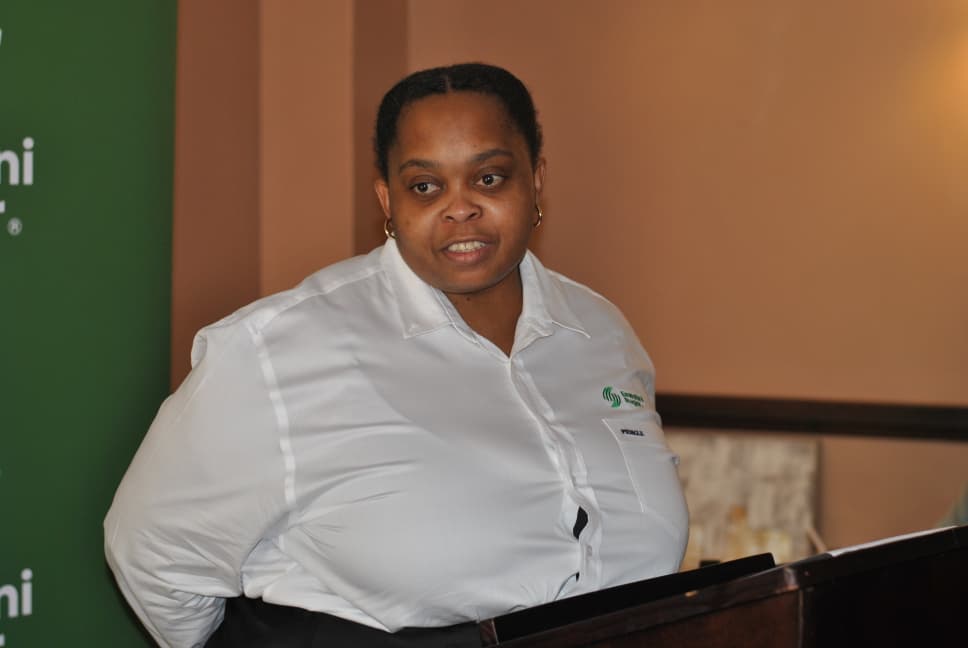
Mandisa Maphalala, ES’s Head of Cane Testing and Quality, who led the certification project, described the milestone as a proud moment not only for the industry but for the nation.
“We embarked on this journey as far back as 2015,” she said. “Many standards were met, but this is our first formal certification. It is a very proud moment for the Eswatini sugar industry and the country as a whole. This standard advances our goals toward corporate social responsibility, environmental stewardship, and continued economic vitality so that future generations will find this industry thriving in a land of prosperity.”
Maphalala noted that increasing pressure from international buyers for verified sustainable sourcing had made certification more essential.
“Sustainability certification has become a basic requirement in the global market,” she said. “This milestone marks a significant step in the right direction for our industry.”
The certification is the result of extensive collaboration among Eswatini’s sugar value chain participants, including millers, growers, buyers, and traders. The certified sugarcane is sourced from Tambankulu Estate, reflecting a strong partnership between millers and growers.
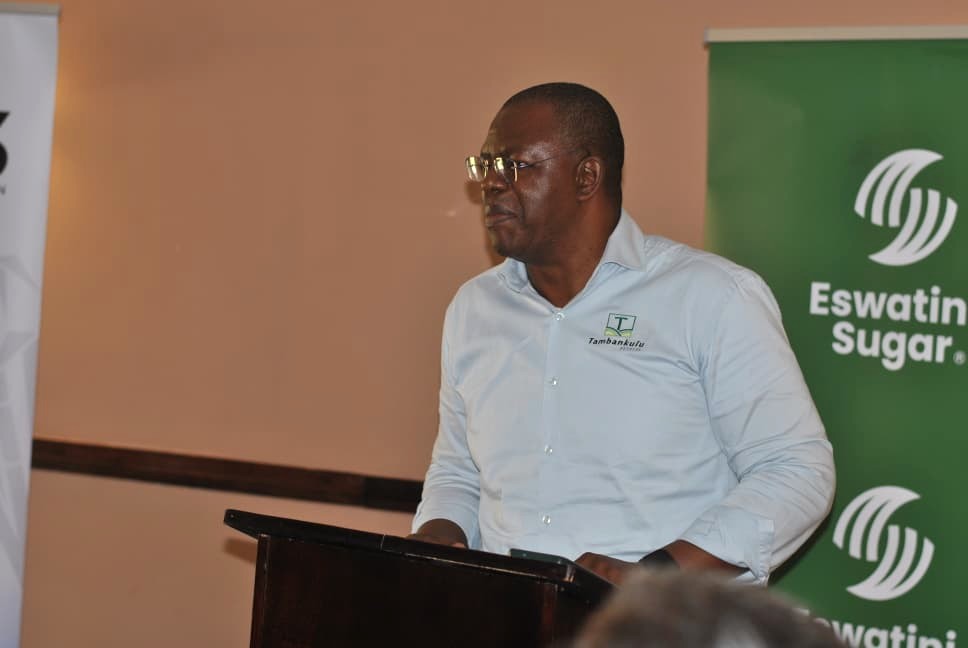
Chris Shabangu, representing Tambankulu Estate, reflected on the lengthy and demanding process that led to this achievement.
“This journey has been quite long and challenging,” he said. “Our teams worked tirelessly to meet Bonsucro’s rigorous standards, undergoing training, audits, and awareness campaigns. Maintaining this certification is now our mission, and we are committed to ensuring continued excellence and sustainability within the industry.”
Shabangu acknowledged the vital role of cooperation across all levels of the sector, emphasizing that this milestone was achieved through shared dedication and perseverance.
World Class Sugar
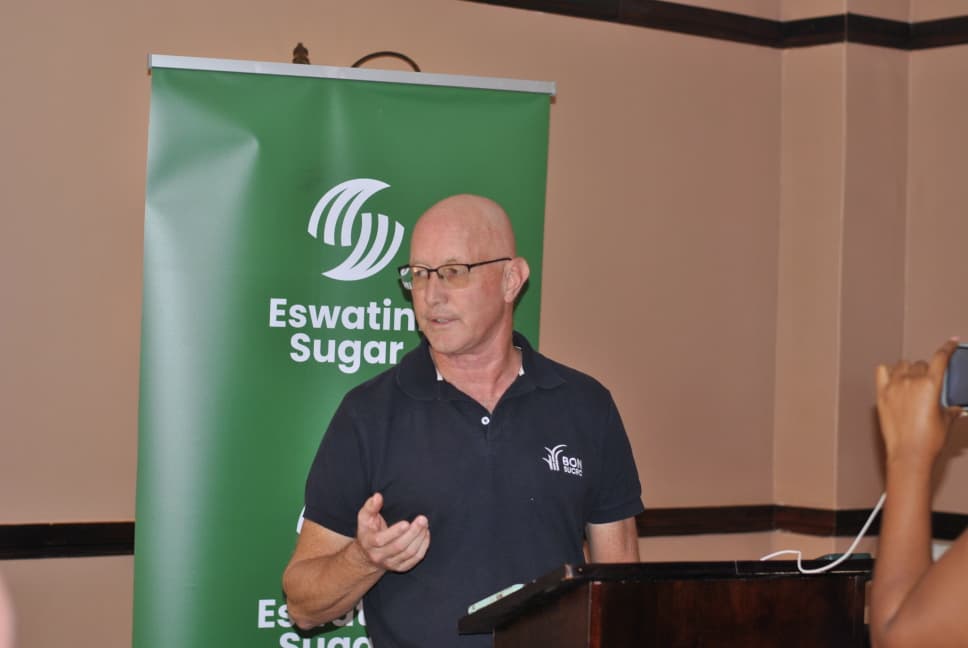
Michael Ogg, Bonsucro’s Regional Manager for Africa, the Middle East, and Australasia, praised Eswatini’s certification as a remarkable moment for Africa and proof of the country’s global standing.
“Eswatini’s sugar industry is world-class, with a true dedication to sustainability and inclusivity,” Ogg said. “This certification is a testament to that. I’ve always believed Eswatini is among the best in the world, and this achievement proves it. It confirms what I’ve said all along—that Eswatini’s sugar industry is truly world-class.”
Ogg explained that Bonsucro certification acts as a “license to trade” in global markets and provides tangible benefits such as better market access, investor confidence, and improved financing options.
“In Brazil, for instance, certified mills have benefited from better financing rates,” he noted. “Certification doesn’t just open doors to new markets; it secures the ones you already have. It positions Eswatini to thrive amid evolving global regulations around sustainability, human rights, deforestation, and carbon emissions.”
He also urged Eswatini’s sugar industry to actively participate within Bonsucro’s global membership network, which includes over 350 members.
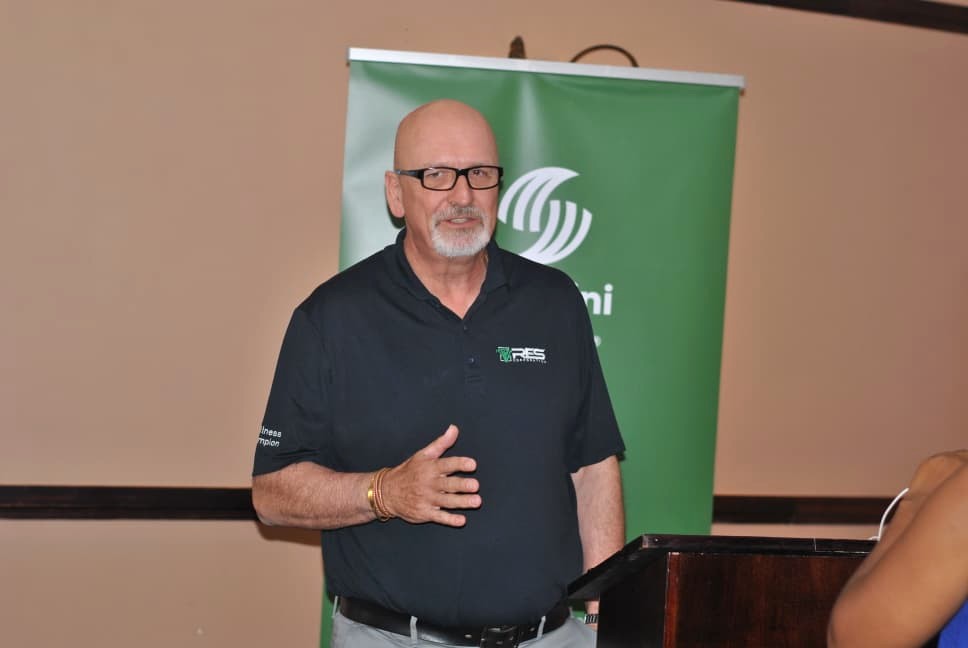
For Nick Jackson, Managing Director of the Royal Eswatini Sugar Corporation, the certification validates both past efforts and lays a foundation for future growth.
“Choosing the right standard was critical,” Jackson said. “Bonsucro is globally recognized and aligns with how we already operate. We’ve always believed we were sustainable, and now we can prove it. This certification helps us maintain our markets and potentially open new ones.”
Jackson credited the growers for leading the charge and attributed the industry’s long-standing culture of sustainability for easing the transition.
“When we conducted a gap analysis, we realized there wasn’t much difference between what we were already doing and what the standard required,” he said. “This is just the start of the journey. We must sustain this certification through ongoing commitment and collaboration across the industry.”
He added that Bonsucro certification complements RES’s existing standards, further positioning Eswatini as a global leader in responsible sugar production.
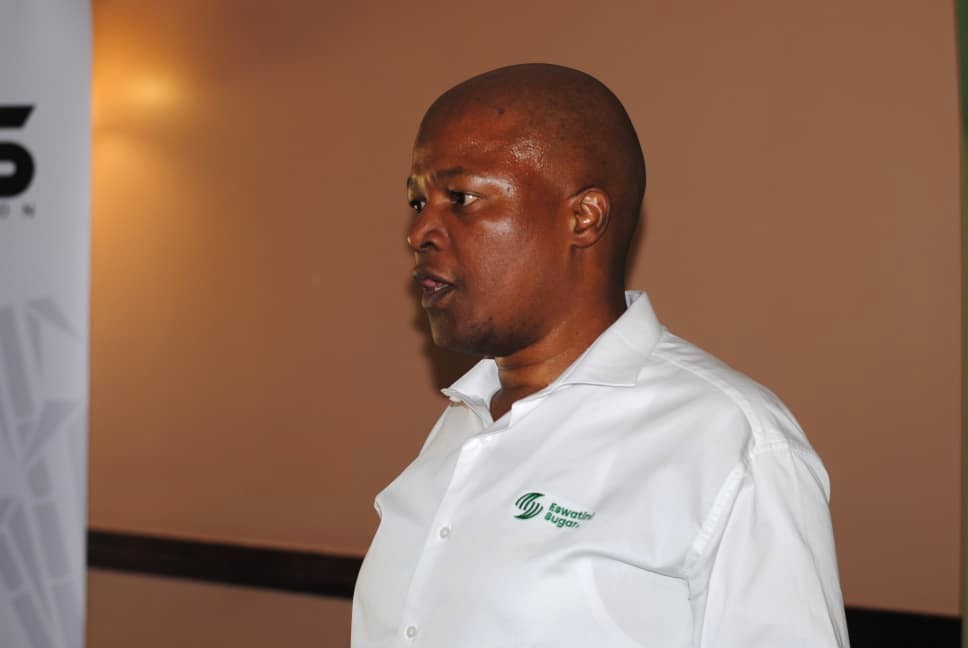
Banele Nyamane, CEO of Eswatini Sugar, celebrated the achievement as a key step in strengthening Eswatini’s competitiveness in international markets.
“This achievement will make our marketing efforts much easier,” Nyamane said. “In the short term, we may attract price premiums, but soon certification will become a basic trade requirement. We are proud of what this means for our members and for Eswatini’s role in the global sugar market.”
Nyamane also expressed gratitude to the various partners and teams who contributed to earning the certification, including growers, millers, and sustainability coordinators who ensured compliance with Bonsucro’s strict criteria.