
Eswatini has unveiled an ambitious plan to transition its workforce from low-value operations into high-value, better-paying digital industries, supported by a newly drafted National Science, Technology and Innovation (STI) Policy and a Combined Fourth and Fifth Industrial Revolution (4IR/5IR) Strategy.
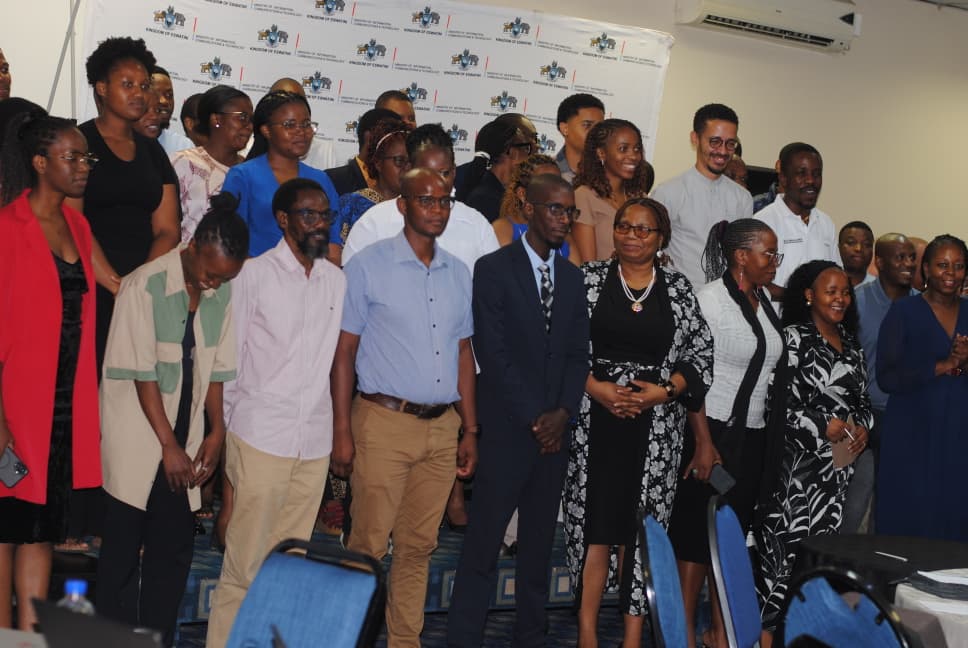
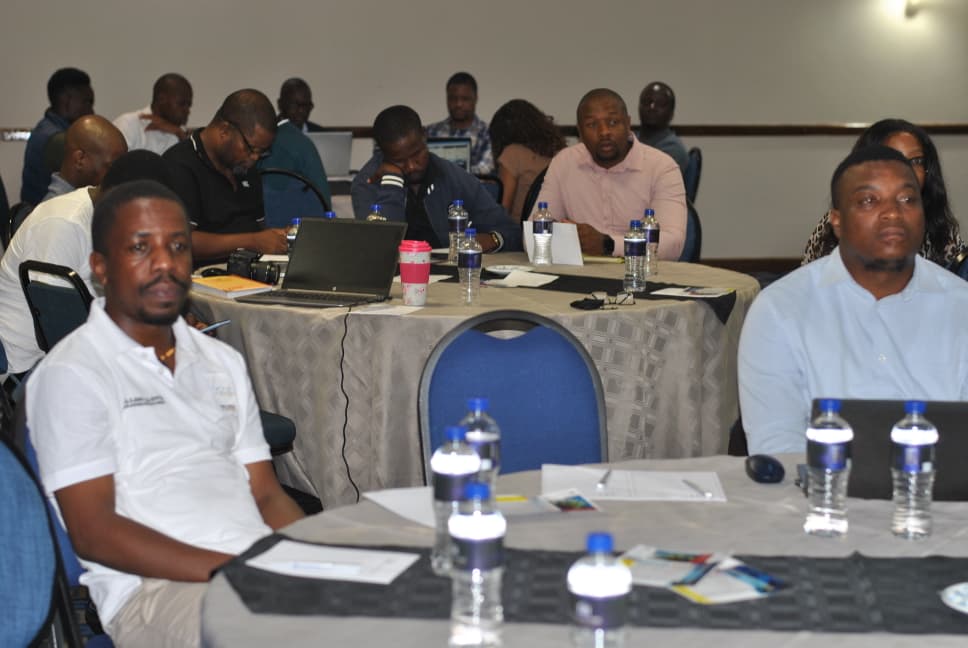
The announcement was made during a stakeholder validation workshop on Tuesday at The George Hotel, where government officials, academia, research institutions, captains of industry, and youth representatives gathered to refine the country’s digital transformation blueprint.
Delivering remarks on behalf of the Principal Secretary for ICT, Prince Mshishimba, Andreas Dlamini, represented by Eswatini Broadcasting and Information Services (EBIS) Director Sabelo Dlamini, said the strategy is designed to fundamentally re-engineer the economy.
“Our objective is clear: we seek to transition our workforce from low-value operations to the high-value activities seen in modern, industrialized states,” he said. “By harnessing Artificial Intelligence, automation, and the Internet of Things, we are facilitating the creation of sustainable, high-quality, better-paying jobs.”

He emphasized that engaging with the Fourth and Fifth Industrial Revolutions goes beyond adopting new tools and technologies. “It requires a complete reengineering of our systems to foster a productive, vibrant, and human-centric economy,” he said.
The strategy combines the speed and connectivity of the Fourth Industrial Revolution, characterized by AI, robotics, and IoT, with the Fifth Industrial Revolution, which prioritizes sustainability, inclusivity, and the “human touch” in technological advancement.
Dr. Rejoice Maseko, Director of Research, Science, Technology and Innovation (RSTI) in the Ministry of ICT, said the drafting process was informed by extensive consultations held over the past year across multiple sectors nationwide.
“We are not here by accident,” she said. “We have moved beyond the ‘what’ and the ‘why’ and are now firmly focused on the ‘how.’”
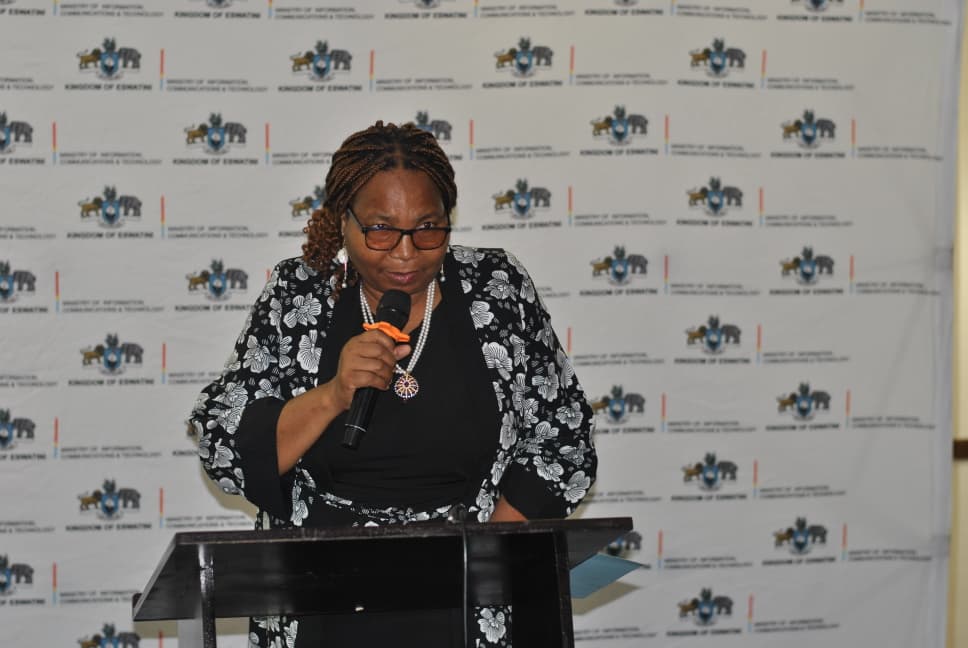
Dr. Maseko described the policy documents as “architectural drawings for a new Eswatini,” designed to replace fear of digital displacement with digital empowerment. Quoting renowned scientist Marie Curie, she said: “Nothing in life is to be feared; it is only to be understood.” She added that the strategy aims to ensure that technology serves humanity, not the other way around.
Among the priority interventions is Education 5.0, a comprehensive overhaul of academic curricula to produce “future-proof” graduates with digital and technical competencies. Plans also include strengthening Technical and Vocational Education and Training (TVET) institutions to produce specialists in automation, robotics, and emerging technologies.
In agriculture, the strategy proposes AI-assisted smart farming to boost productivity and strengthen food security. In healthcare, digital systems will be expanded to ensure quality care reaches even the most remote communities. Smart grids are expected to improve efficiency in water and electricity utilities, while e-commerce expansion will connect small and medium-sized enterprises to global markets.
The PS noted that history shows that no nation has successfully navigated industrial shifts without a deliberate and robust policy framework. Countries such as South Korea, Germany, and Singapore were cited as examples of states that achieved digital prominence through strong data governance, sustained investment in research and development, and digital literacy.

However, Eswatini’s model aims to integrate the Fifth Industrial Revolution to ensure that technological progress aligns with social well-being and sustainability. Inclusive digitalization has been identified as the primary catalyst for participation in this new era.
Dlamini stressed that the strategy’s success will depend on collaboration across ministries, including Trade, Health, Education, and Agriculture, as well as strong private-sector participation.
Quoting industrialist Henry Ford, he reminded stakeholders, “Coming together is a beginning; keeping together is progress; working together is success.”
Stakeholders were urged to rigorously review and refine the draft documents to ensure they are practical, scalable, and inclusive before final adoption.