
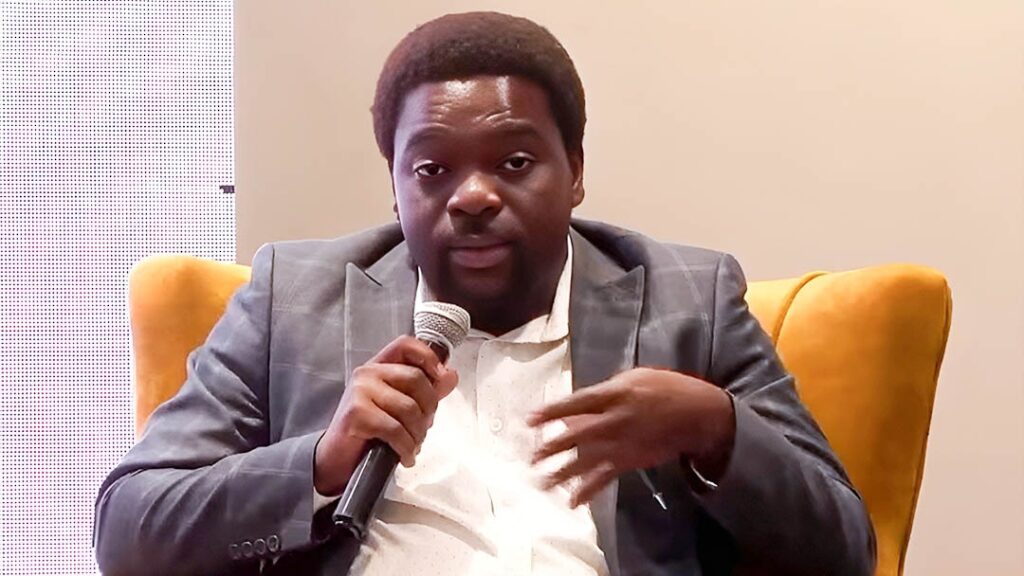
Eswatini must urgently undertake a structural transformation of its economy and shift from a government-led growth model to a private-sector-driven one if it is to achieve sustainable economic growth and meaningful job creation.
This is a major recommendation from economist Sanele Sibiya on the key economic checkpoints that the country should work on in 2026.
Speaking on Eswatini TV’s Kusile Breakfast Show, Sibiya argued that while policymakers often speak of multiple economic priorities, the country’s most critical checkpoint this year should be addressing deep-rooted structural bottlenecks that continue to constrain growth.
“For me, the main checkpoint is really just one,” Sibiya said. “We need to deal with the structural bottlenecks. We need to transform the structure of the economy and move from a government-led economy into a private-sector-led economy.”
He noted that Eswatini remains trapped in a cycle where a high public-sector wage bill crowds out private-sector activity, limiting the economy’s ability to expand and absorb labour. According to Sibiya, the private sector is currently not operating at the scale or level expected to drive long-term growth.
“For growth to be sustainable over the long term, you need the private sector to lead,” he said.
Sibiya warned that the country’s fiscal position further underscores the urgency of reform. With Eswatini’s debt-to-GDP ratio estimated at around 43 percent, the government faces rising debt-servicing costs and limited room to pursue additional borrowing.
“That means high servicing costs and no real ability this year for government to even think about debt financing,” he explained.
This constrained fiscal space, combined with a growing public-sector wage bill, places the economy in what Sibiya described as a “quagmire,” where government spending cannot stimulate growth while private-sector activity remains subdued.
To break this cycle, Sibiya stressed the need to deliberately strengthen the private sector so it can absorb labour currently employed by the government, as well as the growing number of unemployed emaSwati.
“What you need is a very strong private sector that can shift labour from government into private business and also absorb the unemployed who are sitting on the ground,” he said. “We just need to be serious about structural transformation in the economy.”
Turning to youth unemployment, one of Eswatini’s most pressing socio-economic challenges, Sibiya said the problem is not driven by a single factor but rather a combination of job shortages and skills mismatches.
“It’s a mix of both,” he said. “There are situations where there are simply no jobs, and you need the economy to grow at a level above five percent consecutively for three to five years for it to begin creating the jobs people need.”
However, Sibiya cautioned that economic growth alone would not be sufficient. He emphasized the need to reform the education and training system to ensure young people are equipped with skills aligned with the needs of a growing and evolving economy.
“At the same time, you need to retrain and retool the education and training system,” he said, adding that the structure of the economy itself must expand and evolve to effectively absorb labour.