
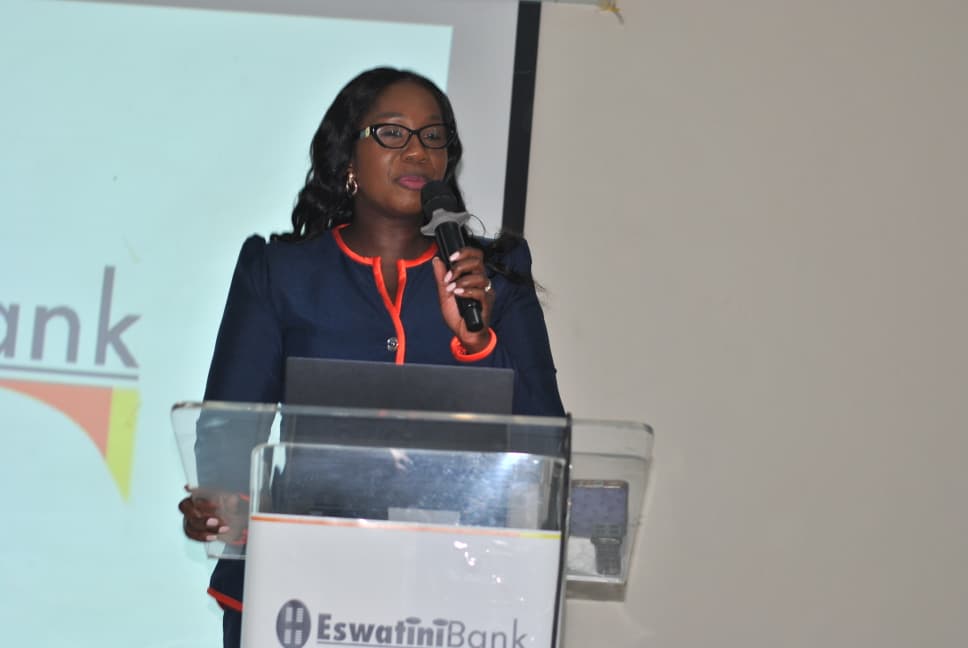
Eswatini Bank has disbursed more than E570 million to small and medium-sized enterprises (SMMEs) over the past decade, reaffirming its position as a key financier of Eswatini’s entrepreneurial sector.
Dr. Nozizwe Mulela, the Bank’s Managing Director, made the announcement during the SMME Business Forum at the George Hotel in Manzini on Tuesday. Addressing entrepreneurs, executives, and members of the media, Dr. Mulela said the milestone reflects the Bank’s deliberate commitment to advancing inclusive economic growth.
“Over the past decade, Eswatini Bank has disbursed more than E570 million to small and medium-sized enterprises across various sectors of our economy,” she said. “This milestone reflects not only our confidence in the entrepreneurial spirit of emaSwati but also our deliberate commitment to inclusive economic growth.”
She added that the bank’s resolve is even stronger going forward, with plans to increase investment and deepen support for businesses that drive innovation, create jobs, and advance national development.
SMMEs are widely recognized as the backbone of Eswatini’s economy, contributing significantly to job creation and household incomes. Dr. Mulela noted that when small businesses succeed, the entire economy benefits.
“Our aim at Eswatini Bank is to help SMEs grow stronger and more resilient,” she said. “When SMEs succeed, the entire economy benefits. That is why we are intentional about creating platforms that provide access to shared knowledge, practical tools, and financial solutions that foster sustainable growth.”
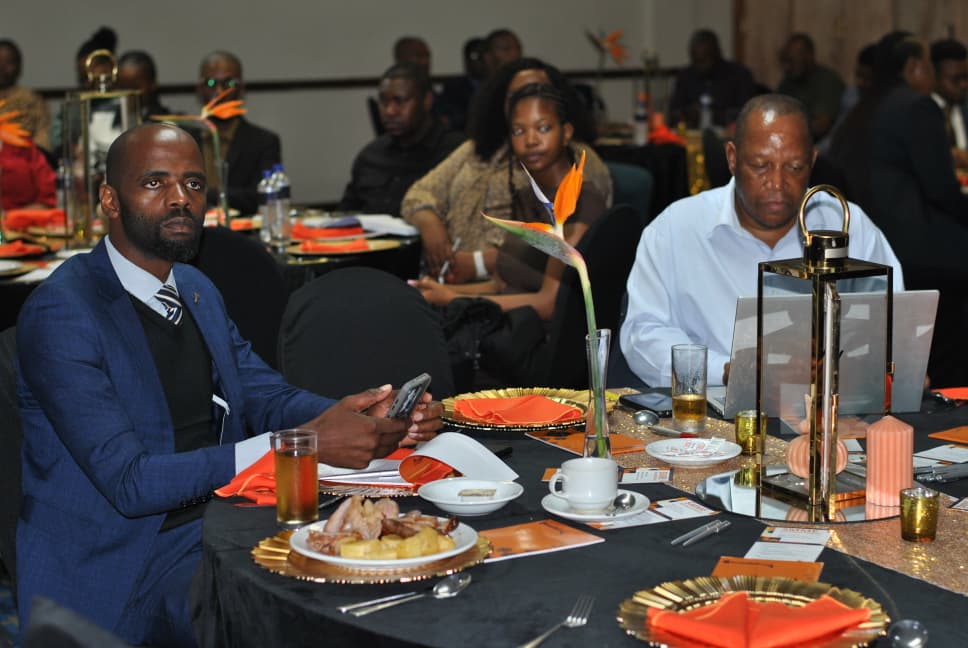
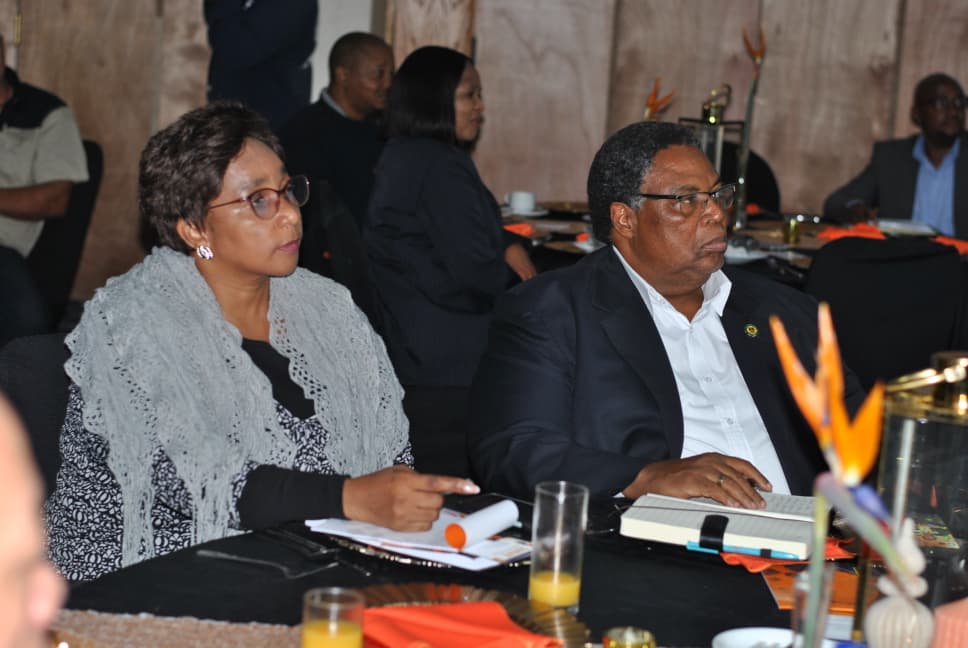
The Business Forum, the first of the year, is part of the Bank’s periodic engagements with its SMME clients. The platform serves as a catalyst for business development by equipping entrepreneurs with the insights, networks, and solutions needed to grow and compete effectively, both locally and beyond Eswatini’s borders.

Backing women-led businesses
A significant share of the Bank’s SMME support has gone to women-led enterprises. Within its SMME portfolio alone, the Bank has provided over E10 million in funding to women-led businesses over the past five years.
Dr. Mulela emphasized that gender equity remains a core institutional value, both internally and in the Bank’s engagement with communities.
“We have actively supported women in STEM and in traditionally male-dominated sectors, including technology and manufacturing,” she said. “Beyond financing, we provide business advisory services that help women-led enterprises strengthen operational capacity, drive innovation, and contribute meaningfully to economic inclusion.”
She said the Bank is encouraged by the progress made so far and looks forward to significantly increasing these figures while also increasing participation among young entrepreneurs who represent the future of the country’s economy.
Looking ahead, Eswatini Bank plans to roll out innovative products to unlock growth and build resilience in the SMME sector. These include flexible SME loan solutions tailored for small and micro enterprises, green financing options that support environmentally responsible business practices, and enhanced digital banking platforms that improve efficiency and convenience.

“Our ambition is clear,” Dr. Mulela said. “We want to position Eswatini’s entrepreneurs not only to survive but also to scale, compete, and lead in an increasingly dynamic and technology-driven economy.”
She further encouraged SMMEs to adopt structured savings and investment strategies to strengthen their resilience to economic shocks. She noted that global trends indicate that small businesses with disciplined financial planning are more likely to withstand downturns and sustain long-term growth.
“In an evolving economic environment like ours, disciplined financial planning is essential. Investing enables businesses to build capital, seize growth opportunities, and contribute to sustainable economic development and job creation,” she said.
She described platforms such as the SMME Business Forum as enablers of collaboration and catalysts for sustainable business growth.
“These engagements unlock potential, facilitate knowledge exchange, and foster meaningful connections,” she said. “They demonstrate how far we have come and, more importantly, how much more we can achieve together to strengthen Eswatini’s entrepreneurial ecosystem and build a more inclusive, resilient economy.”