
By Ayanda Dlamini
The Youth Chamber of Commerce and Industries Eswatini (YCCIE) has unveiled a groundbreaking economic strategy to redirect E1.4 billion in household spending from imported goods back into the local economy.
The initiative, titled “From Our Shelves to Our Sovereignty,” seeks to create jobs, support youth entrepreneurship, and strengthen Eswatini’s domestic manufacturing sector.
According to YCCIE research, Eswatini households spend E1.4 billion annually on just 20 commonly imported items, including maize meal, cooking oil, and chicken.
While these goods are essential, the expenditure currently supports jobs and industries abroad, leaving local youth, facing a 49 percent unemployment rate, without opportunities.
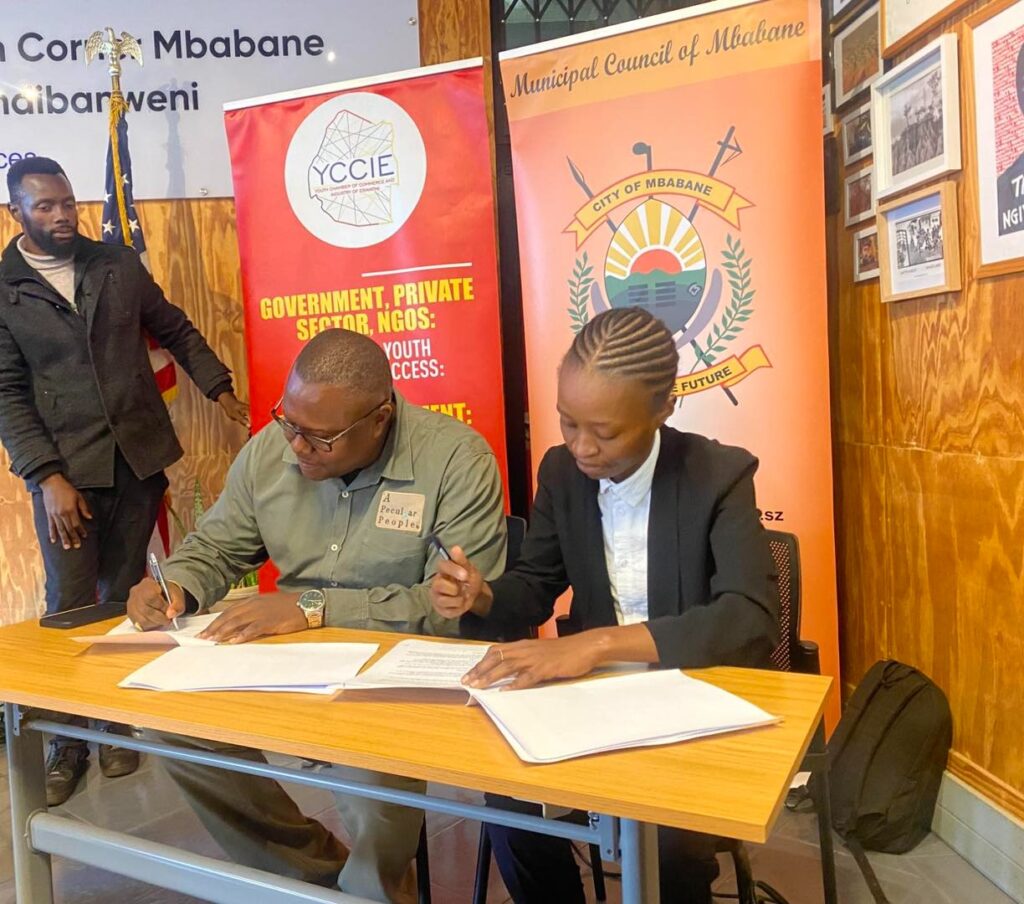
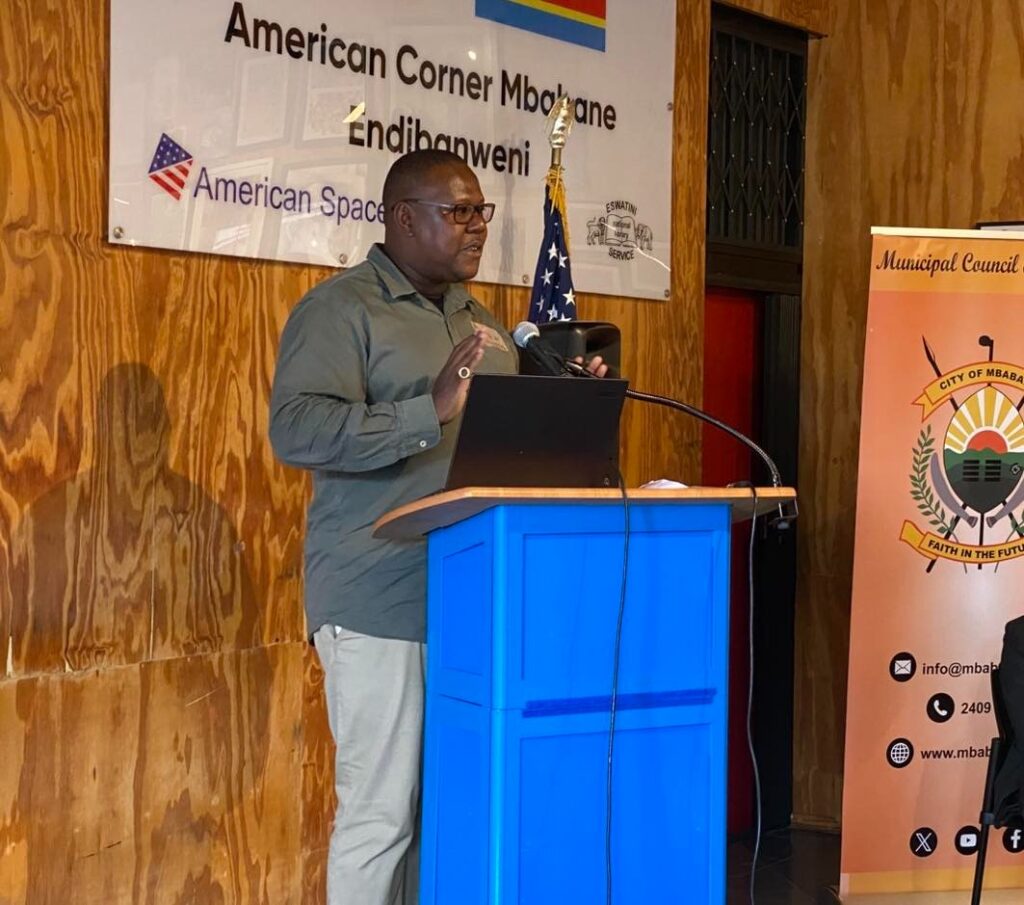
“Our nation’s daily spending power presents one of the greatest untapped economic opportunities of our generation,” said Sakhile Nsibandze, President of YCCIE, at the signing of a Memorandum of Understanding (MoU) between A Peculiar People and the Youth Chamber of Commerce and Industry Eswatini.
“By connecting local producers directly with retailers and consumers, we can turn this annual outflow into sustainable, inclusive growth. Our future will not be built by waiting for change, but by building the connections that make change inevitable,” she said.
The strategy is structured around a three-phase plan designed to strengthen the entire domestic production chain:
Phase 1: The Community First Initiative (2026-2028)
This phase focuses on matching demand from local general dealers with youth-led producers of Tier 1 goods such as packaged water, sugar, salt, and bread. Quick wins in this phase will provide immediate redirection of spending to local businesses and build trust in the market system.
Phase 2: The Value Creation Engine (2028-2030)
The second phase encourages youth-led businesses to process and manufacture higher-value products, turning raw materials like tomatoes, grains, and local fruits into packaged goods. By ensuring a ready route to market, YCCIE aims to de-risk investment in local production.
Phase 3: The Sovereign Marketplace (2030-2033)
The final phase focuses on refining high-quality, Eswatini-made products for regional export, promoting strong local brands, and diversifying the national economy.
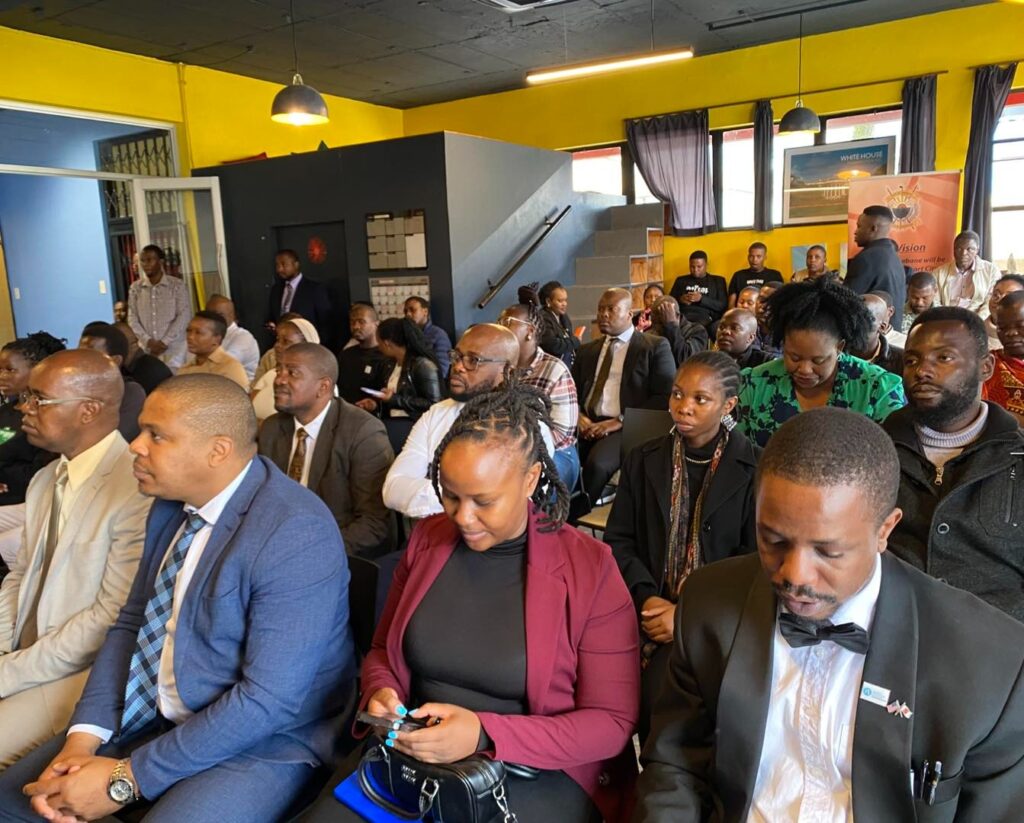
YCCIE has already laid the groundwork by establishing active chapters in eight municipalities, including Manzini, Mbabane, and Piggs Peak. These chapters serve as hubs to identify talent, aggregate local demand, and deliver support programs. A strategic partnership with A Peculiar People, the organization behind the Made in Eswatini (MIE) initiative, will connect young producers with marketplaces, events, and platforms that provide both visibility and sales opportunities.
“This strategy is not just a proposal; it is a market-making engine,” said Nsibandze.
“When young entrepreneurs receive support to produce, they also have a clear and open road to sell. By working together, government, private sector, financial institutions, and development partners, we can turn this E1.4 billion challenge into our most powerful opportunity for inclusive economic growth.”
With this bold, youth-led initiative, Eswatini is setting a precedent for how nations can mobilize local consumption to empower young entrepreneurs, strengthen domestic production, and build economic resilience from the ground up.