
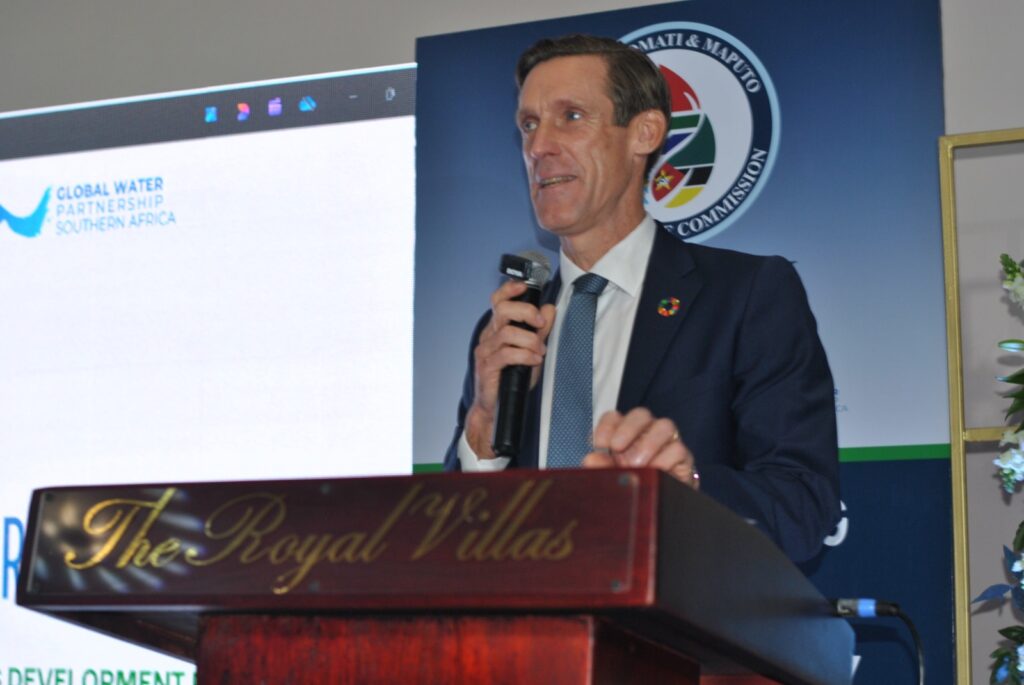
The United Nations Development Programme (UNDP) has called for stronger regional cooperation and urgent action to safeguard the Inkomati–Maputo Basin, warning that climate change, growing water demand, and ecosystem degradation continue to threaten one of Southern Africa’s most critical shared water systems.
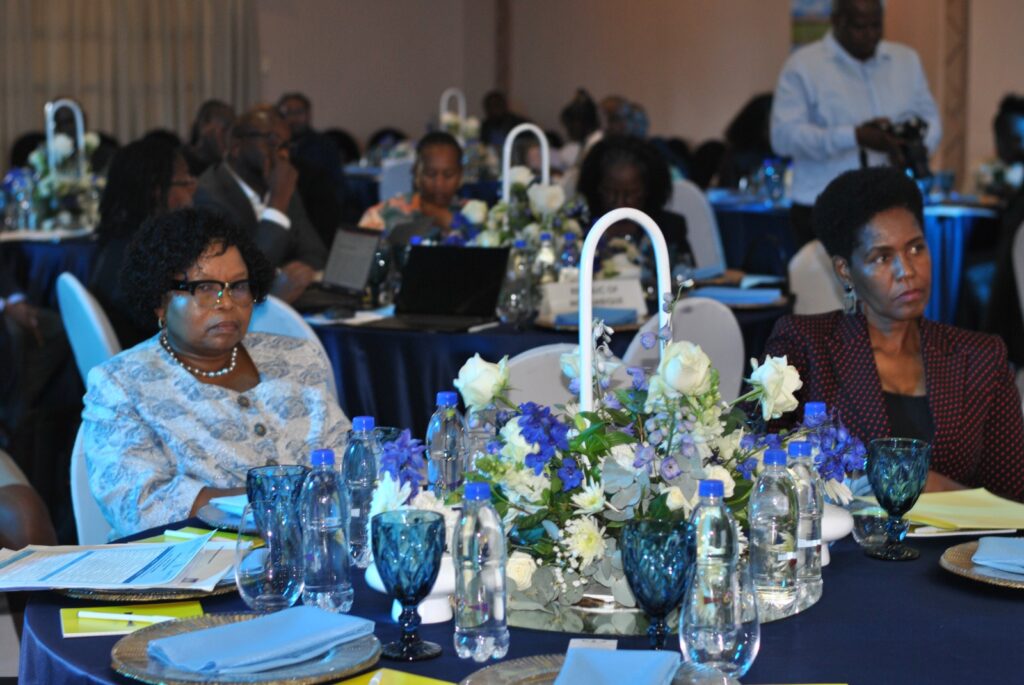
Speaking during the launch of the Global Environment Facility (GEF-8) funded project on Integrated Transboundary Water Resources Management in the Inkomati–Maputo Basin, UNDP Resident Representative Henrik Franklin said the initiative marked a major shift toward sustainable and collective management of shared water resources by Eswatini, Mozambique, and South Africa.
Franklin described the launch as more than just the beginning of another regional project, but rather a reaffirmation of a shared vision among the three Member States to secure the future of the basin through cooperation, solidarity, and collective stewardship.
“The rivers that sustain us flow across boundaries, connecting our countries, our economies, and our people,” said Franklin. “Because the challenges are shared, our solutions must also be shared.”
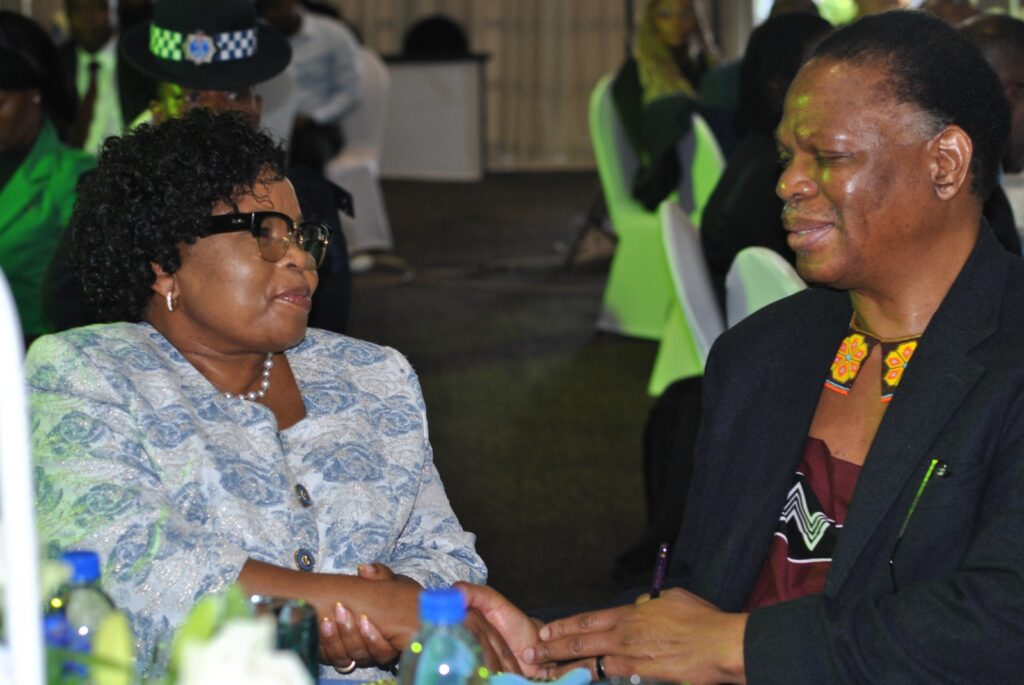
He noted that the Inkomati–Maputo Basin supports millions of people and plays a critical role in agriculture, biodiversity, tourism, energy generation, food security, and economic stability across the region.
However, Franklin warned that the basin continues to face mounting pressure from climate variability, increasing water demand, land degradation, pollution, floods, and droughts, making traditional approaches to water management inadequate.
“This reality makes it clear that business-as-usual approaches are no longer sufficient,” he said.
The new project seeks to strengthen integrated basin governance by promoting long-term resilience and coordinated regional action. Franklin said the programme embraces a “source-to-sea” approach, recognising the interconnectedness of ecosystems from upstream catchments and rivers to downstream estuaries and coastal environments.
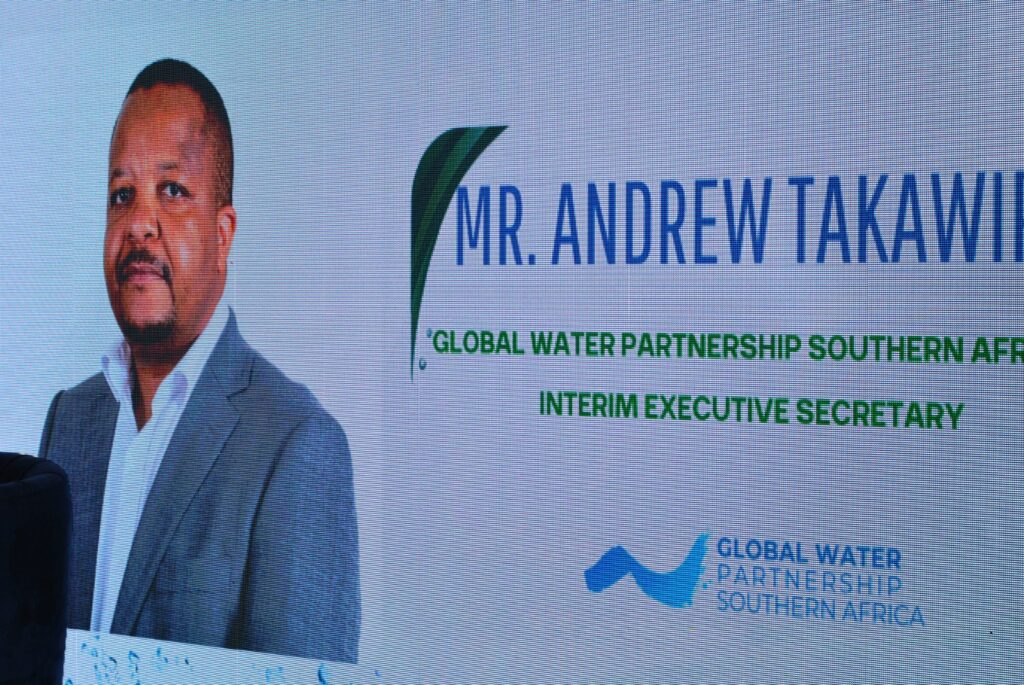
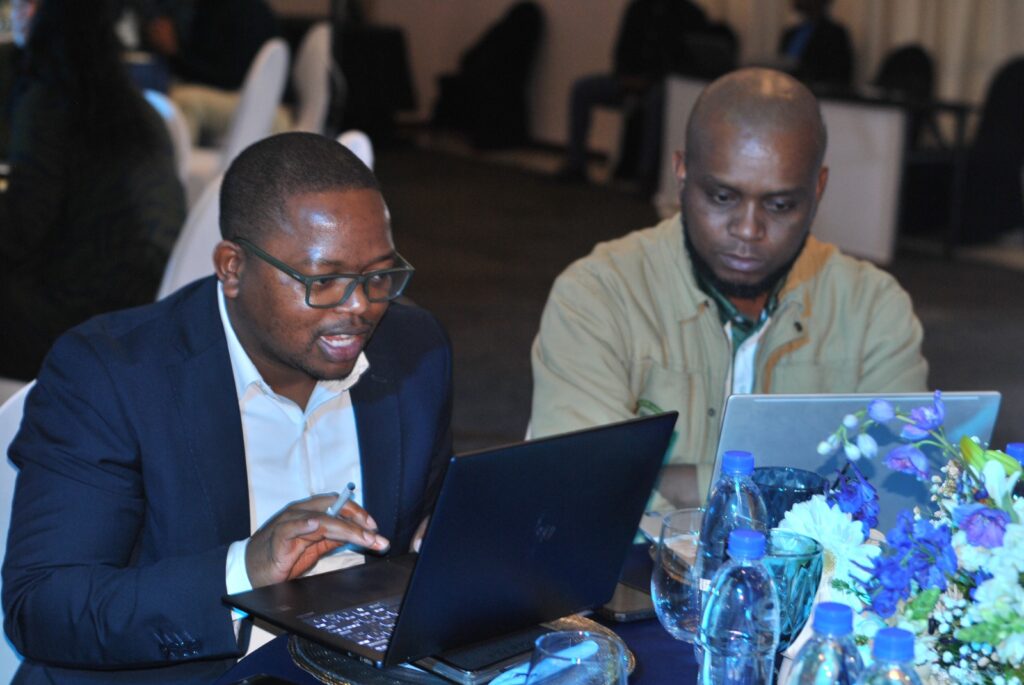
He stressed that unsustainable practices in one part of the basin have consequences across the entire system, making integrated management essential.
Franklin further emphasised that the initiative was not a combination of three separate national projects, but a single regional undertaking collectively owned by the participating countries and anchored under the Inkomati–Maputo Watercourse Commission (INMACOM).
He commended the Global Environment Facility and all implementing partners for securing funding and laying a strong foundation for implementation
“What is required now is momentum, moving with urgency into implementation, strengthening coordination, and delivering tangible results on the ground,” he said.