
The Government of Eswatini has assured the public that taxpayers will not bear the cost of repaying the E5.2 billion loan secured for the country’s strategic oil reserve project.
Minister of Finance, Neal Rijkenberg, provided this clarification during the post-budget seminar hosted by the Central Bank of Eswatini (CBE), where he addressed possible concerns about the impact of the project on the national debt an the burden it would be on the taxpayer.
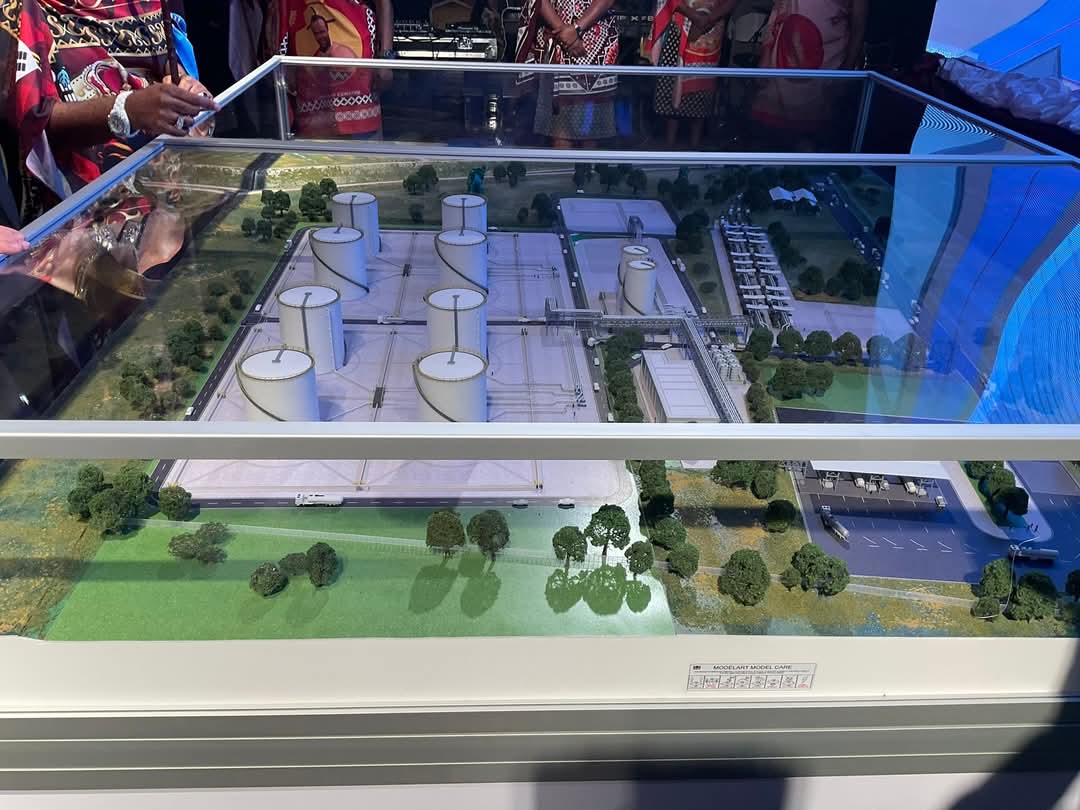
The strategic fuel reserve initiative aims to strengthen Eswatini’s energy security by establishing storage facilities capable of maintaining sufficient petroleum supplies during regional or global supply disruptions.
Although the loan appears on the government balance sheet, Rijkenberg explained that it will not be repaid using public tax revenues.
“It’s not going to be repaid by taxpayer money,” he said.
Instead, the loan will be serviced through revenues generated by the Eswatini National Petroleum Company (ENPC), the state-owned entity responsible for managing the country’s petroleum supply and strategic fuel reserves.
The Minister explained that the financing arrangement was structured in this way because lenders typically require sovereign guarantees when funding large-scale national infrastructure projects.
As a result, the loan had to be secured by government rather than directly by ENPC.
Rijkenberg said once the financing was secured, the funds would be channelled to ENPC to implement and operate the strategic fuel reserve infrastructure. The repayment model will rely on operational revenue generated through the fuel storage system as well as a small levy on fuel sales.

The project is being financed through a loan facility provided by Taiwan’s Export-Import Bank.
The strategic reserve project represents one of the largest energy infrastructure investments in the country and is expected to enhance the stability of fuel supply chains. Energy security has become an increasing priority for governments worldwide following recent disruptions in global supply chains and volatility in international oil markets.
By building domestic storage capacity, Eswatini aims to reduce its vulnerability to external supply shocks and ensure that critical sectors such as transport, agriculture, and industry continue to operate during periods of market instability.
Rijkenberg emphasised that the financing structure was carefully designed to ensure that the project remains financially sustainable without placing additional pressure on taxpayers. He said that the model allows the project to operate on a commercial basis while still delivering national strategic benefits.