
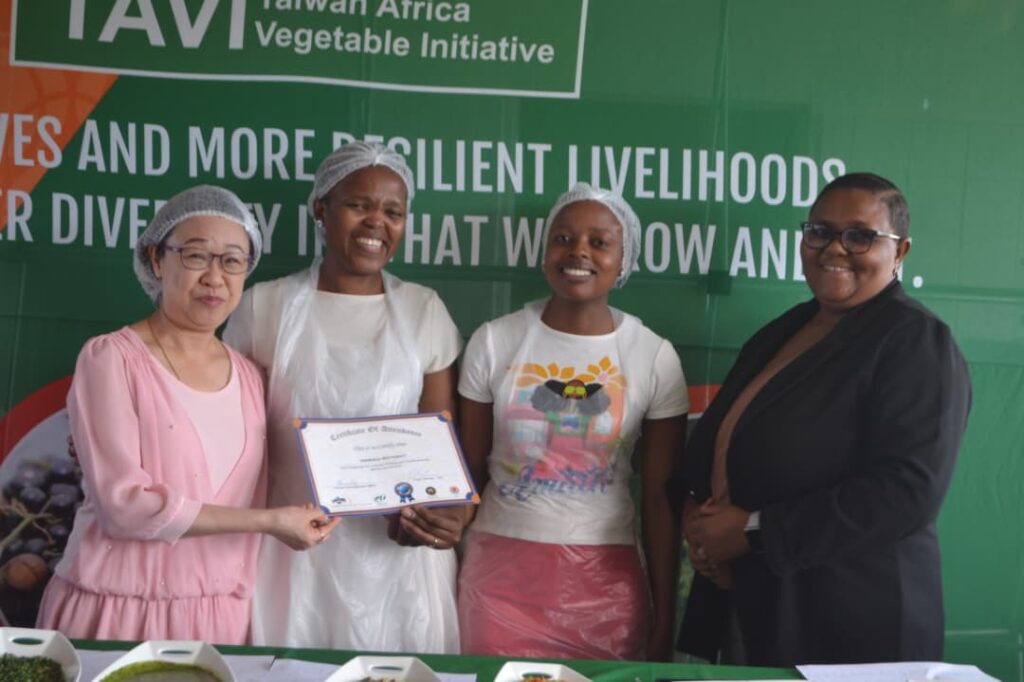
The Taiwan-Africa Vegetable Initiative (TAVI) Phase II has intensified efforts to promote nutrition, sustainable agriculture and indigenous food systems in Eswatini by partnering with restaurants and culinary professionals to mainstream Traditional African Vegetables (TAVs) within the country’s hospitality sector.
This emerged during a Culinary Training and Certification Workshop for Restaurant Partners hosted by the World Vegetable Center Eswatini Office at the Malkerns Research Station on Friday.
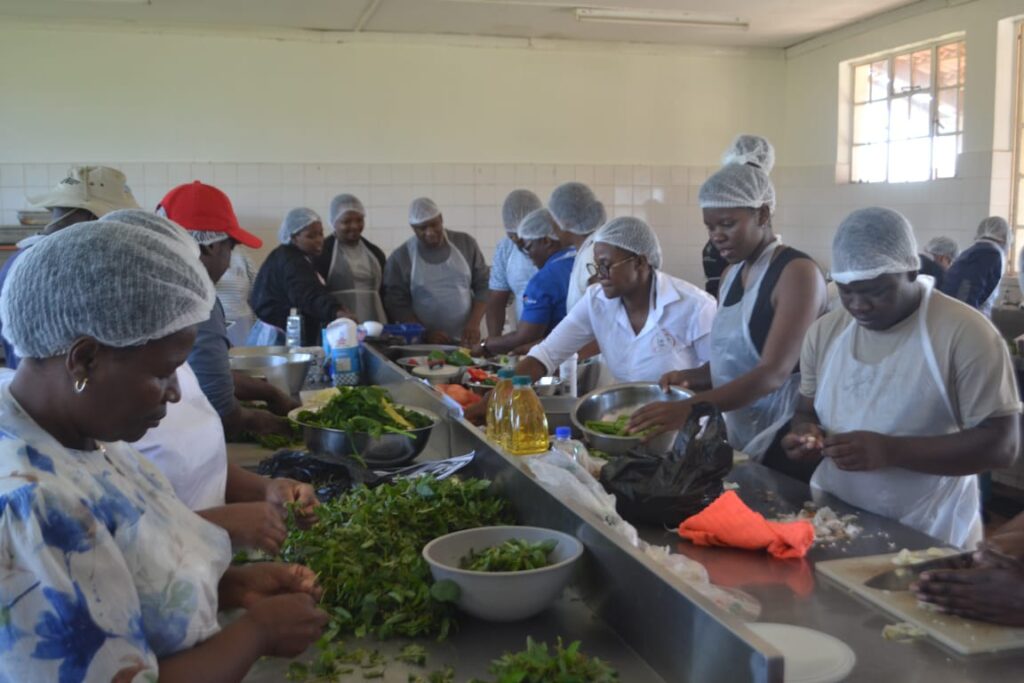
The specialized workshop brought together restaurant owners, chefs and hospitality managers to equip them with practical skills on the preparation, presentation and promotion of Traditional African Vegetables. The training forms part of broader efforts under TAVI Phase II to strengthen private sector engagement and increase public awareness of the nutritional and commercial value of indigenous vegetables.
Addressing participants during the workshop, World Vegetable Center Representative Dr. Yuan-li (Sophia) Chan said the initiative seeks to strengthen collaboration between agriculture, nutrition and the hospitality industry in Eswatini. She said the participation of restaurant partners demonstrates the important role the private sector can play in improving nutrition, supporting local agriculture and promoting healthier food systems.
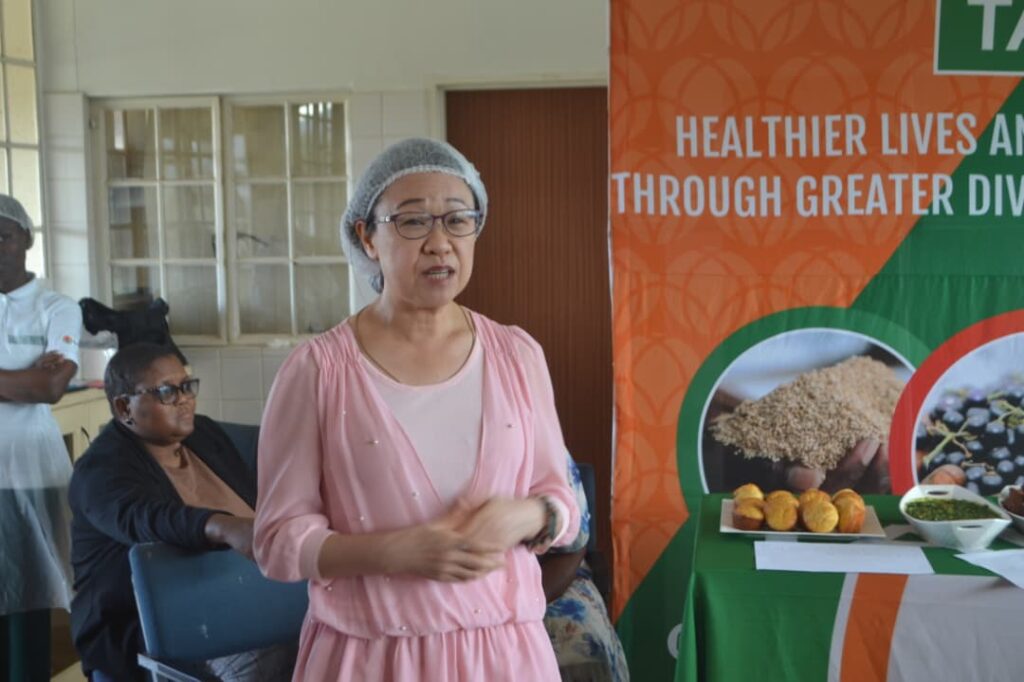
“Through TAVI, we hope to demonstrate that Traditional African Vegetables are not only nutritious and climate-resilient crops, but also ingredients with strong culinary, commercial and cultural value,” said Dr. Chan.
She noted that restaurants and chefs have significant influence on consumer preferences and public perceptions around food, adding that attractive presentation and quality food preparation can help reposition indigenous vegetables as desirable and modern food choices.
Dr. Chan emphasized that the workshop was not merely a cooking exercise, but an opportunity to establish long-term partnerships between the project and the hospitality industry.
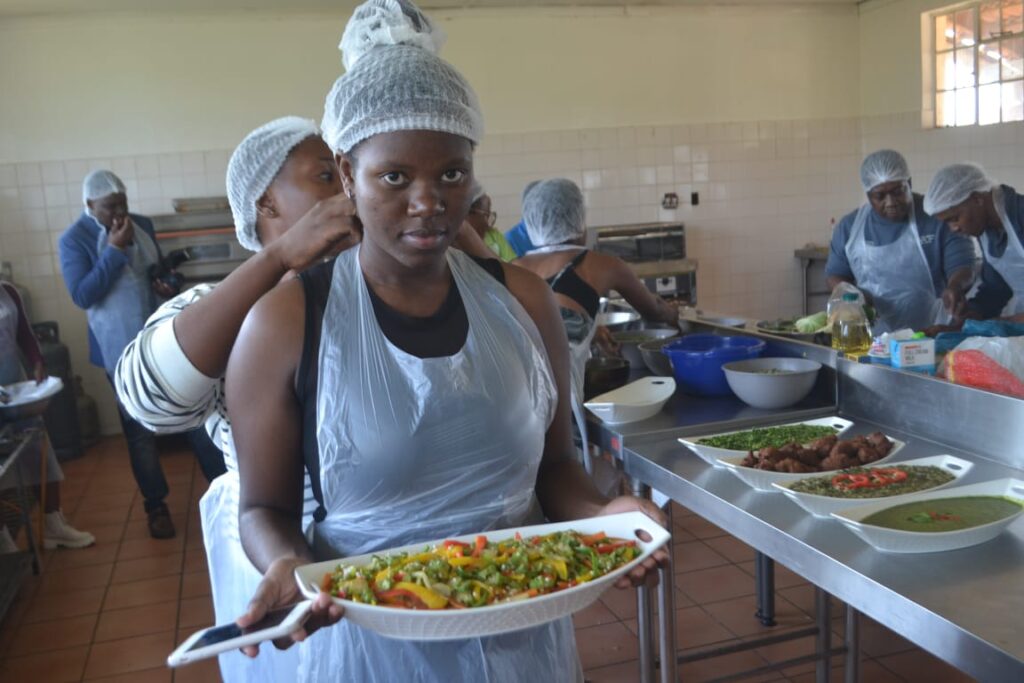
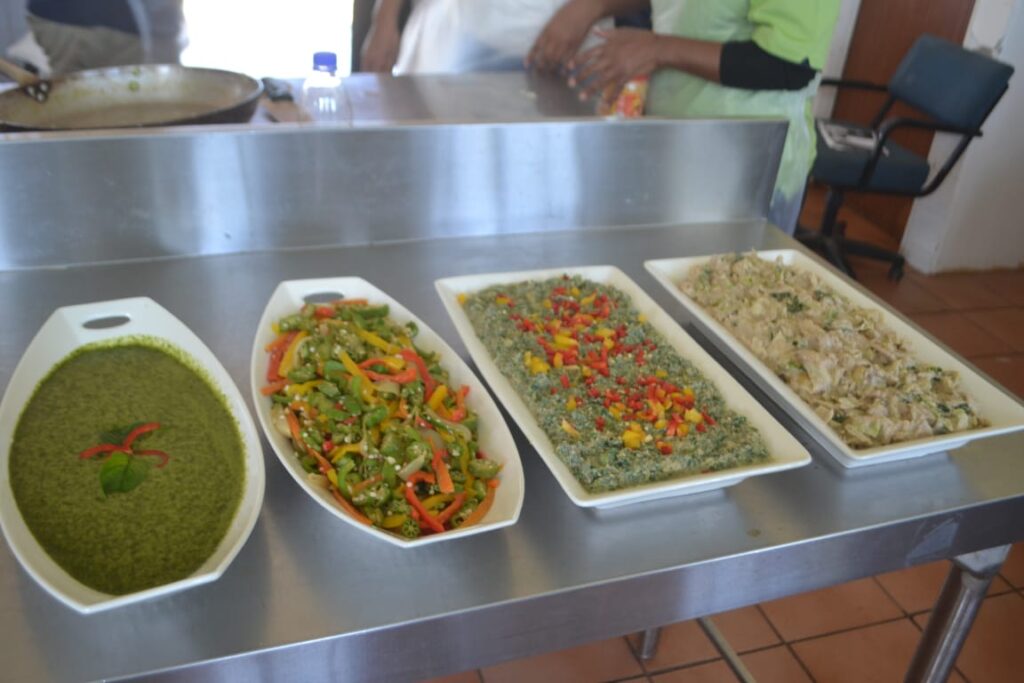
“Participating restaurants will become important partners in future outreach and promotional activities under the TAVI Phase II project. Tasting dishes prepared by trained restaurant partners will be featured during outreach events to help increase public awareness of the nutritional benefits and culinary potential of Traditional African Vegetables,” she said.
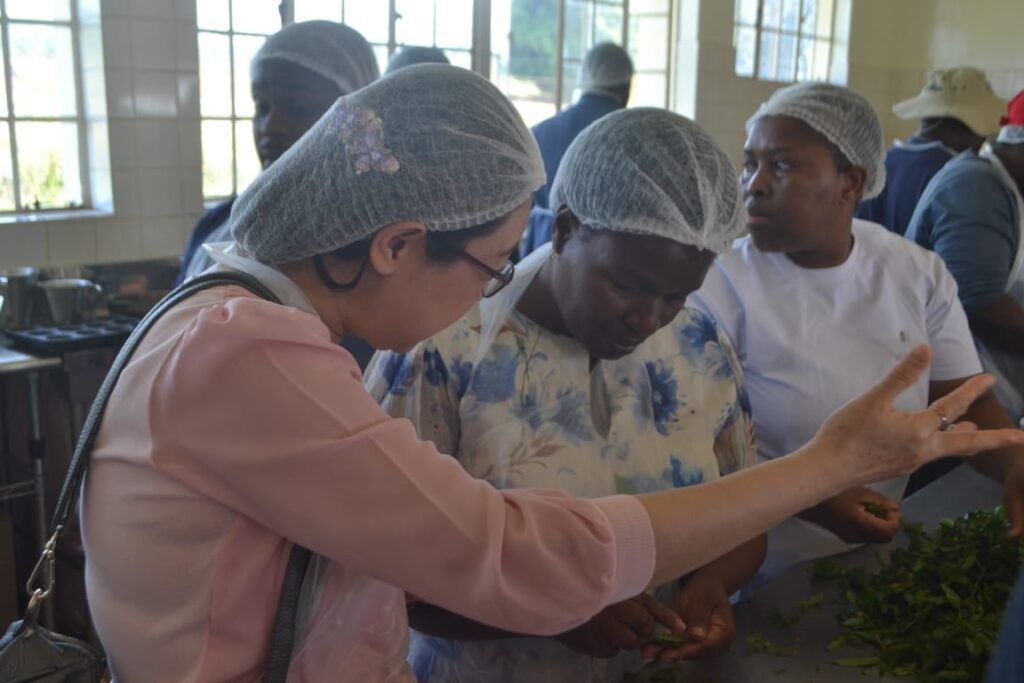
The training programme covered the nutritional and health benefits of Traditional African Vegetables, food safety and hygiene principles, basic cooking methods, hands-on culinary demonstrations and the preparation of tasting dishes for future public engagement activities.
As part of the initiative, participating restaurants received “TAV-Certified” recognition under the TAVI project. According to organizers, the recognition aims to promote professional pride among culinary establishments while strengthening the visibility of participating restaurants in future outreach and promotional programmes.
Dr. Chan said the certification programme is expected to create model restaurants that champion the promotion of Traditional African Vegetables within Eswatini’s food service sector.
“We also hope that this initiative can create additional economic opportunities for participating restaurants. Through the ‘TAV-Certified’ recognition, participating establishments can strengthen their visibility, professional profile and engagement in future promotional activities,” she said.
She further highlighted that support from the Government of the Republic of China (Taiwan) continues to create visible community-level impact in Eswatini through school feeding programmes, nutrition education, support for smallholder farmers and market-oriented interventions.
“This initiative demonstrates how Taiwan-Eswatini cooperation can support not only agricultural production, but also nutrition improvement, private sector engagement and local economic opportunities,” she added.
The workshop forms part of broader efforts to encourage healthier diets while simultaneously supporting climate-resilient agriculture and local food value chains.