
A workplace survey conducted as part of the 2026 World Day for Safety and Health at Work has revealed a mixed picture of employee wellbeing, highlighting both a supportive workplace culture and growing structural challenges affecting performance.
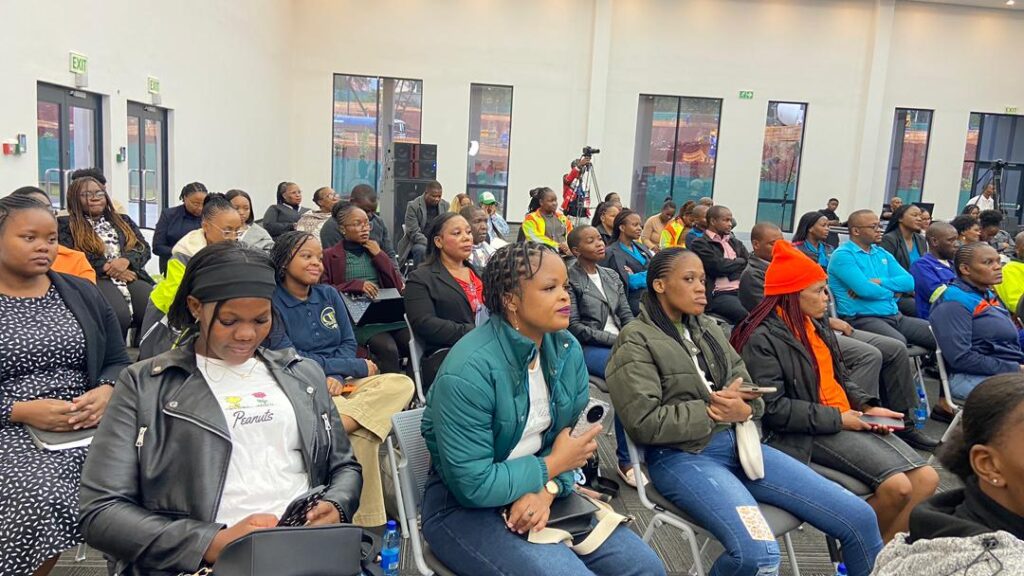
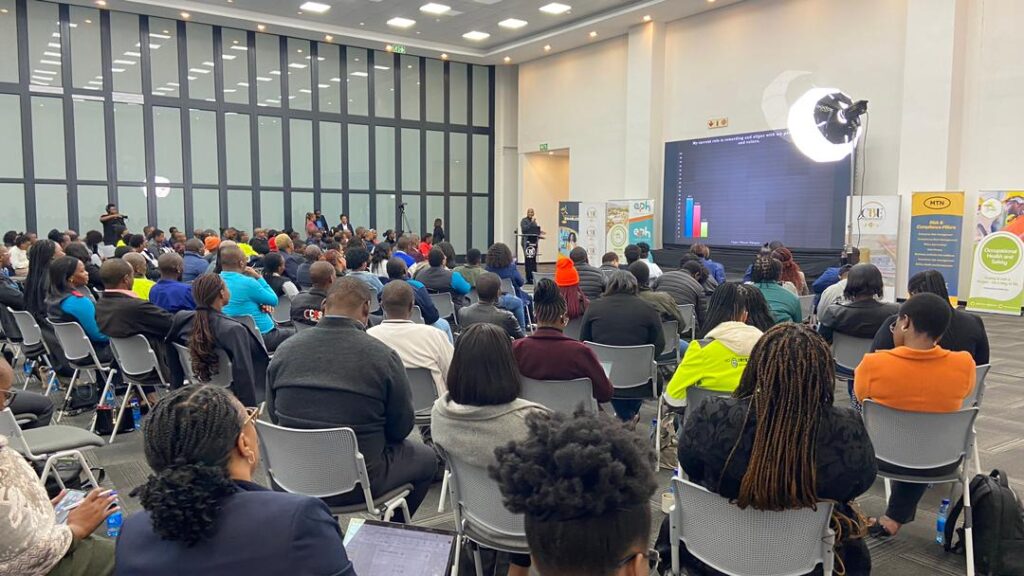
The findings were presented during the official launch of the global commemoration, held at the Central Bank of Eswatini in collaboration with Ezulwini Municipality, MTN Eswatini, and Ezulwini Private Hospital.
The event brought together key stakeholders committed to advancing safer and healthier workplaces.
Held under the theme “Good Psychosocial Working Environments: A Pathway to Thriving Workers and Strong Organisations,” the survey was designed to gain deeper insight into employee perspectives and experiences related to psychosocial wellbeing. It explored critical areas such as organisational care, work-life balance, team support, job satisfaction, autonomy, and sense of belonging.
The results indicate that while employees generally feel supported by their teams and experience a reasonable sense of inclusion, these positives are being overshadowed by concerns around workload management and work-life balance.
Many respondents reported that although there is a moderate level of organisational care, it is not strong enough to counter the pressures of daily work demands.
Presenting on the findings, Maxwel Maseko stressed the need for organisations to move beyond surface-level support and address deeper systemic issues.
“What this survey clearly shows is that while our people are committed and supportive of one another, there are systemic issues that need urgent attention. Psychosocial well-being is not just about how people feel; it is about how work is structured, managed, and supported daily,” he said.
Qualitative insights from the survey revealed recurring themes, including the need for flexible working arrangements, better workload management, improved work-life balance, enhanced mental wellness support, and more opportunities for training and development. Employees also pointed to the importance of improving the overall work environment to sustain productivity and morale.
The report further highlights that employees often feel constrained by limited control over their work, which impacts their ability to manage responsibilities effectively.
This lack of autonomy, combined with increasing workload pressures, is contributing to early signs of strain such as fatigue and concerns around mental wellness.
Maseko cautioned that these indicators should be treated as an early warning.
“We are seeing indicators that, if left unaddressed, could lead to burnout. This is a critical moment for organisations to act proactively. Investing in employee wellbeing is not optional; it is essential for sustainability and performance,” he added.
Despite these challenges, the report notes that organisations remain stable but are at a critical juncture. There is a clear gap between a positive workplace culture and the effectiveness of organisational processes, suggesting that improvements are needed not in employee commitment, but in how work is structured and managed.
Employees have expressed a strong desire for greater flexibility, clearer systems, and growth opportunities, all of which present a valuable opportunity for leadership to respond strategically.
As stakeholders marked the World Day for Safety and Health at Work, the survey findings served as a timely reminder that building thriving workplaces requires deliberate action. Aligning organisational systems with employee wellbeing will be key to ensuring both productivity and long-term sustainability.