
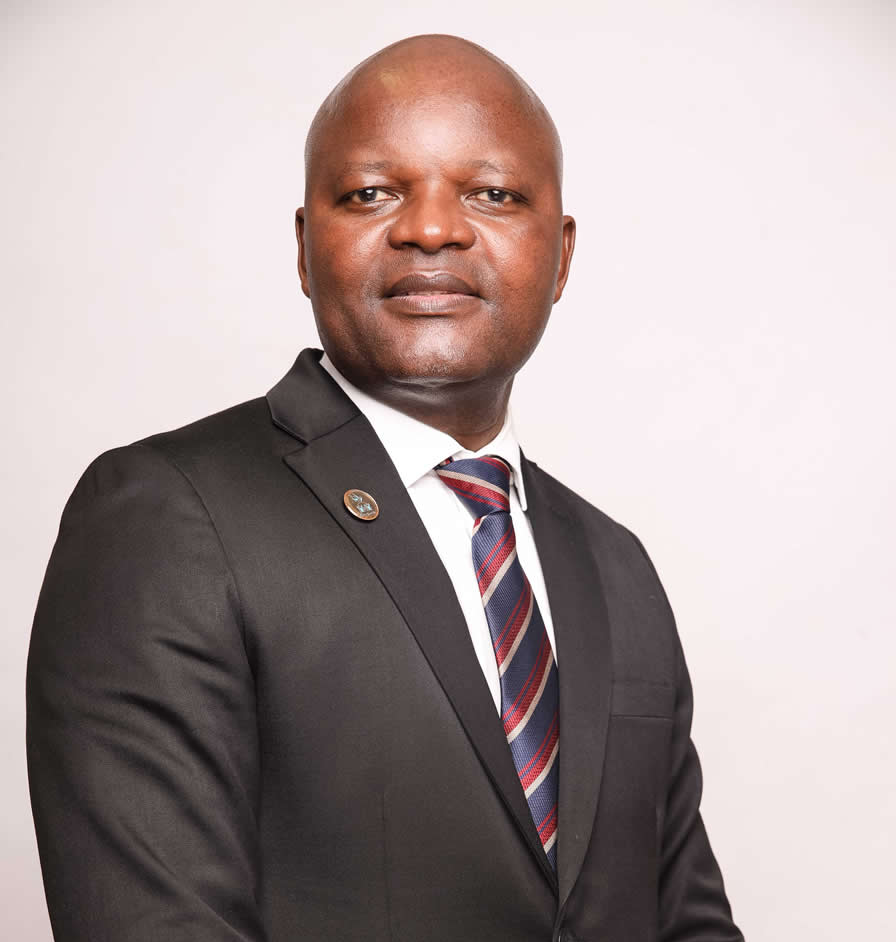
While national indicators may suggest a trajectory of economic expansion, Senator Tony Sibandze has raised concerns regarding the tangible impact, or lack thereof, of Eswatini’s economic growth on the daily lives of its citizens.
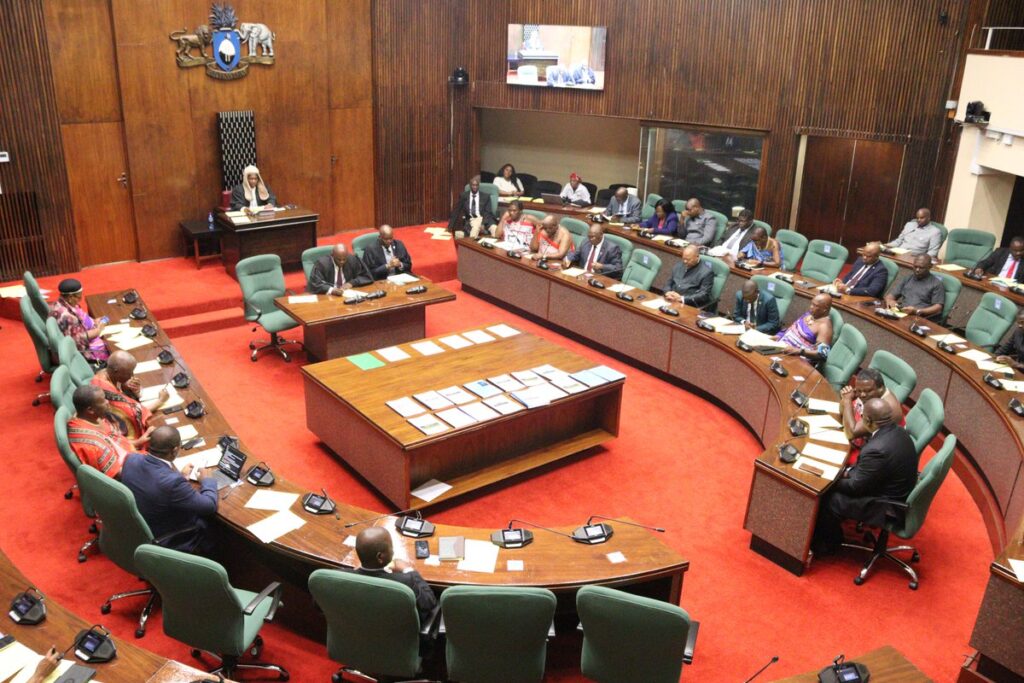
During the debate on the national Budget Speech in the House of Senate yesterday, Senator Sibandze challenged the disconnect between high-level economic figures and the lived experiences of ordinary EmaSwati. He argued that reported growth remains largely theoretical, failing to translate into improved livelihoods for the majority.
“Year in, year out, we report that the economy has grown, yet from what we hear on the ground, EmaSwati are not experiencing this growth in their daily lives,” the Senator stated.
Drawing a poignant analogy, Sibandze noted that in a typical household, a parent’s salary increase is usually visible through improved living conditions for the children. By contrast, the national economic raise remains invisible to much of the public.

He stressed that Gross Domestic Product (GDP) growth should benefit the entire population rather than a select segment of society. These remarks come at a critical juncture for the Kingdom.
While the 2024 financial year recorded an estimated growth between 4.7% and 4.9% alongside a surge in Foreign Direct Investment (FDI), the Senator argued that such gains remain largely inaccessible to the public. Beyond domestic impact, Senator Sibandze issued a warning regarding Eswatini’s growing dependence on external economies.
He noted that a reliance on imports and foreign aid threatens the country’s sovereignty, echoing His Majesty King Mswati III’s opening remarks for Parliament which emphasized the urgent need for self-reliance.
“We are not going to succeed as a nation if we do not heed His Majesty’s call for self-sufficiency,” Sibandze said.
To address these gaps, the Senator called for a radical prioritization of capital projects that offer long-term stability. Key among these is the Strategic Oil Reserve currently under construction at Phuzumoya. Sibandze identified that fuel remains as a critical investment, noting that the entire economic value chain is sensitive to energy shocks.
He argued that a robust reserve would help cushion the country against external volatility, providing the stability necessary for real, felt economic growth. Essentially, the Senator believes that the success of the national budget must ultimately be measured by the fullness of the average citizen’s plate, not just the figures on a balance sheet.