
By Ayanda Dlamini
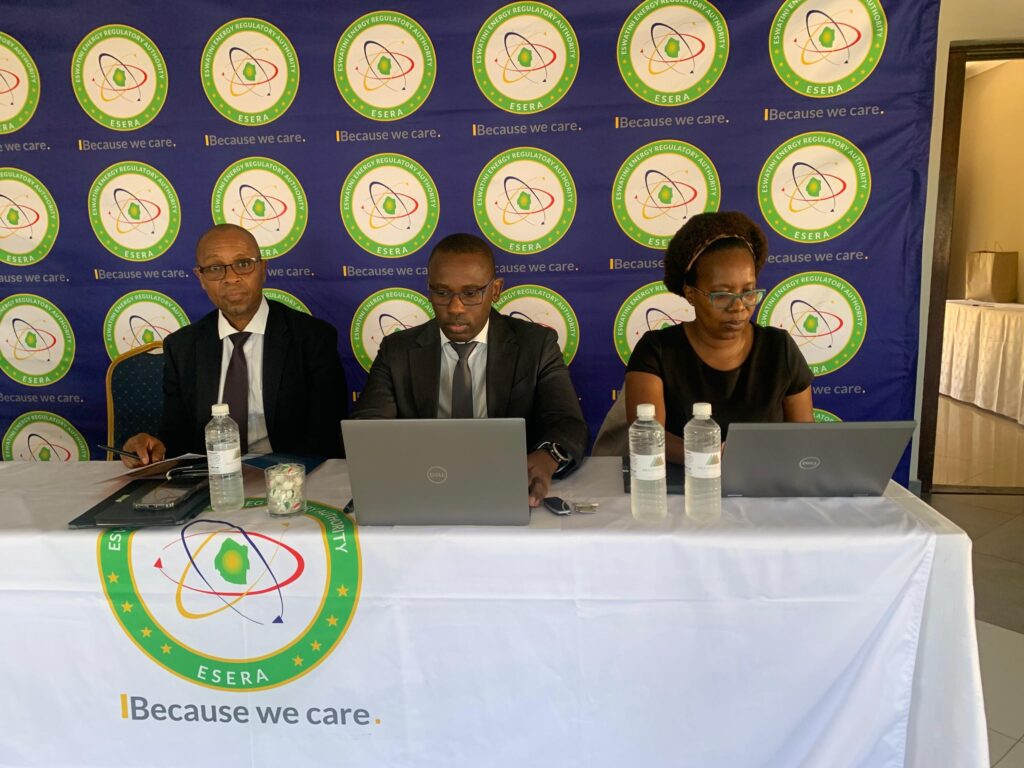
The Eswatini Energy Regulatory Authority (ESERA) has approved an average 13.61 percent increase in electricity tariffs for the 2026/27 financial year, citing rising regional power import costs, expiring supply agreements, and revenue under-recovery.
The increase, effective April 1, 2026, follows an application by the Eswatini Electricity Company (EEC) for an additional revenue requirement of E437.9 million. After conducting a detailed technical and economic assessment, ESERA approved a lower additional amount of E211.8 million, bringing EEC’s total revenue requirement for 2026/27 to E3.69 billion.
According to the EEC, several Power Purchase Agreements (PPAs) expired during the 2025/26 fiscal year and required renegotiation. The renegotiations led to materially higher import tariffs, significantly increasing the utility’s supply costs.
Eswatini remains heavily reliant on imported electricity, particularly from South Africa and Mozambique. Eskom’s National Transmission Company South Africa (NTCSA) implemented an 8.4 percent tariff increase in September 2025. Additionally, South Africa’s energy regulator, NERSA, approved a further 3.4 percent correction for 2026/27, on top of the previously approved 5.36 percent, bringing the overall adjustment to 8.76 percent.
EEC also increased its contracted capacity from 160 megawatts to 190 megawatts to strengthen security of supply—a move that entails additional costs.
Ubombo Sugar Limited’s tariffs rose by 11 percent, while EDM Mozambique’s tariffs declined by 3 percent. Further pressure stemmed from an under-recovery in the 2024/25 financial year.
The Regulatory Clearing Account (RCA) balance of E183.7 million will be liquidated over five years, with approximately E36.7 million in annual payments, increasing the revenue requirement. ESERA Chief Executive Officer Skhumbuzo Tsabedze said the Authority carefully balanced EEC’s financial sustainability with consumer protection.
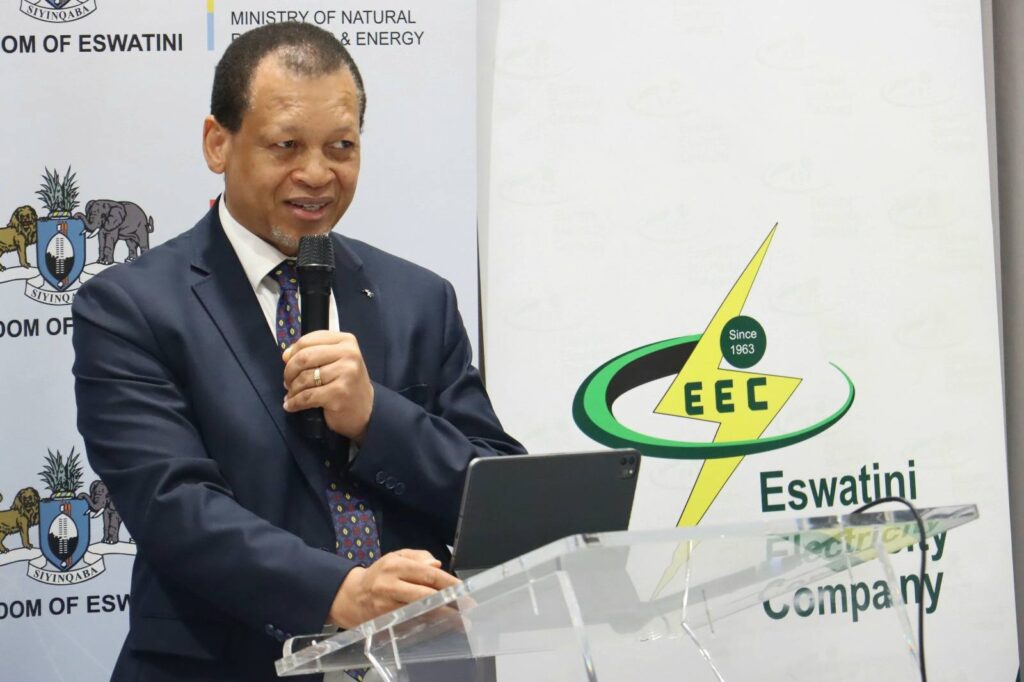
“This decision was reached after a thorough review of the application, extensive stakeholder consultations, and detailed technical and economic analysis,” said Tsabedze. “While we recognize the financial pressures facing EEC due to rising import costs and prior under-recoveries, we were equally mindful of the impact on consumers. Therefore, the approved increase is lower than initially requested.”


He added that limiting the lifeline tariff increase to 6% was a deliberate measure to cushion vulnerable households. “We remain committed to ensuring that the electricity sector remains financially viable while protecting low-income consumers from excessive tariff shocks,” Tsabedze said.
The approved 13.61 percent average increase comprises the previously announced 7 percent adjustment and an additional 6.61 percent, a figure significantly lower than the 20.67 percent overall increase initially sought by EEC.
Domestic tariffs will rise by 17.23 percent, while corporate customers will see energy and demand charges increase by 17 percent. Facility and access charges will rise in line with inflation, at 4.86 percent.
A detailed tariff order outlining the full analysis and stakeholder submissions will be published on ESERA’s website in due course.