
By Ayanda Dlamini
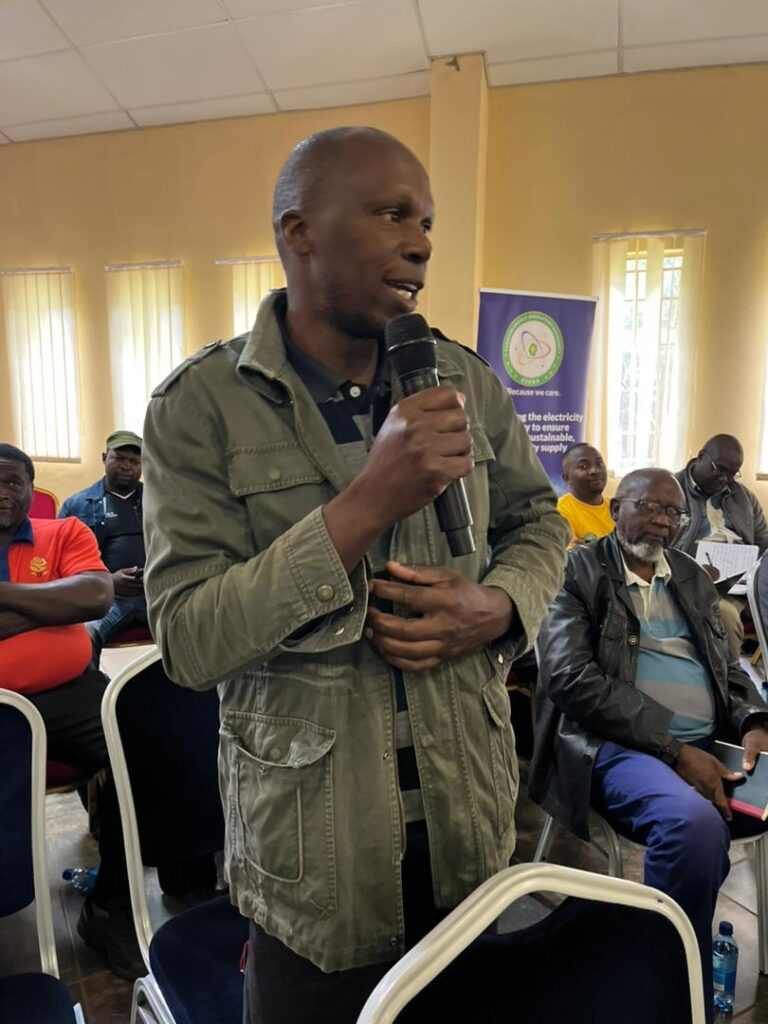
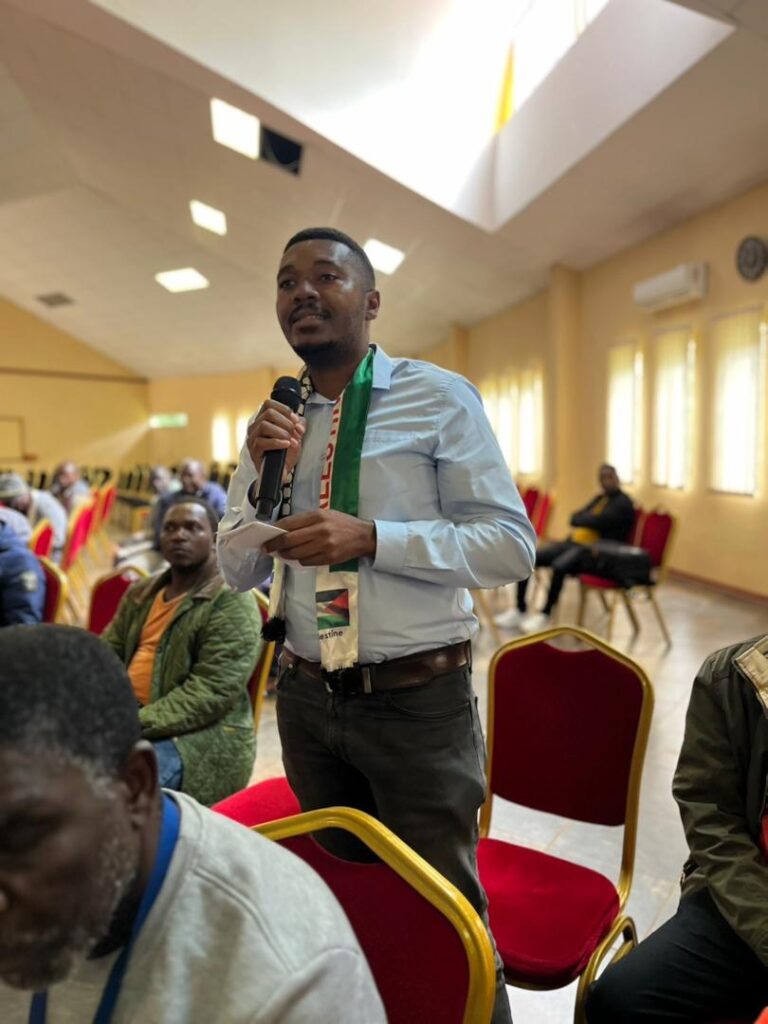
Members of the public attending the Electricity Tariff Adjustment Public Consultations in Nhlangano have strongly urged the government to intervene in the country’s ongoing electricity crisis, arguing that raising electricity tariffs would further burden already struggling Emaswati.
During the consultations, residents expressed concern that raising electricity prices was unfair at a time when many households are facing serious economic hardships. They stressed that government intervention was necessary because they believe the Eswatini Electricity Company (EEC) has failed to curb the rising cost of electricity.
The public further urged the government to urgently review EEC’s current and planned projects, calling some of them far-fetched and disconnected from the immediate realities consumers face.
They urged authorities to prioritize practical solutions and to provide immediate support and corrective action to stabilize the electricity sector. Several speakers made it clear they did not approve of the proposed tariff increase. They noted that many consumers, particularly senior citizens, are already struggling to afford electricity.
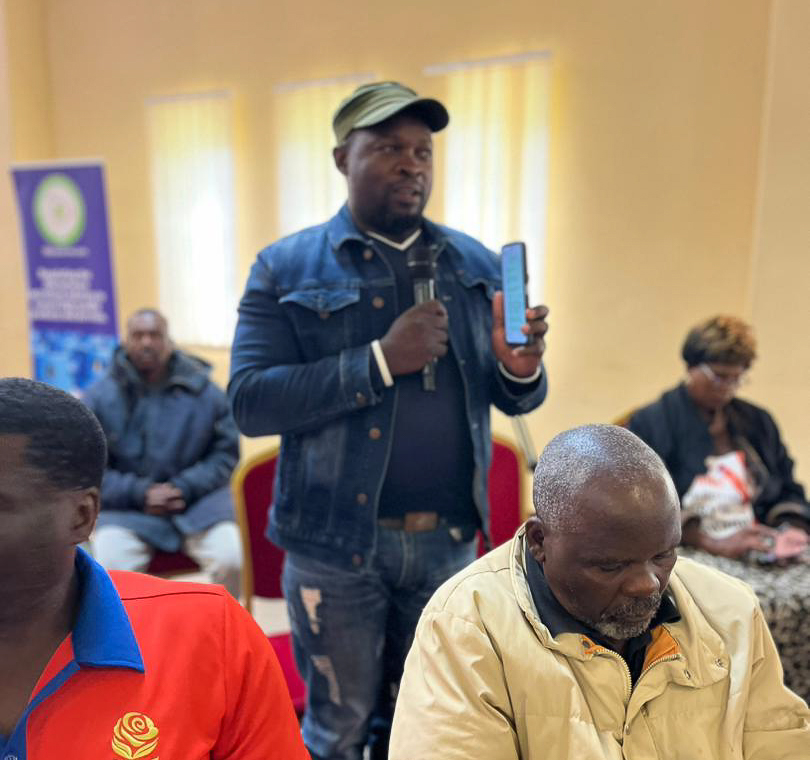
Some shared personal examples, explaining that they cannot even afford to buy 100 units of electricity and often manage to buy only units worth E20 at a time. “This increase will only worsen our situation,” one resident said. “We are already suffering, especially the elderly who depend on small pensions. Electricity is a basic need, not a luxury.”
Although figures and financial projections were presented during the consultations, members of the public said they remained unconvinced that tariff hikes would resolve EEC’s challenges.
They argued that the only realistic way to assist the power utility was through a government bailout rather than shifting the financial burden to consumers. The public also urged the Eswatini Energy Regulatory Authority (ESERA) to take their concerns seriously and act on their behalf.
They suggested that ESERA should engage the government directly and seek financial assistance for EEC rather than approve higher tariffs. “We will not accept these tariffs,” another participant said. “ESERA should go to the government and request financial support. Raising electricity prices is not the answer.”


We Do Not Have A Choice – EEC
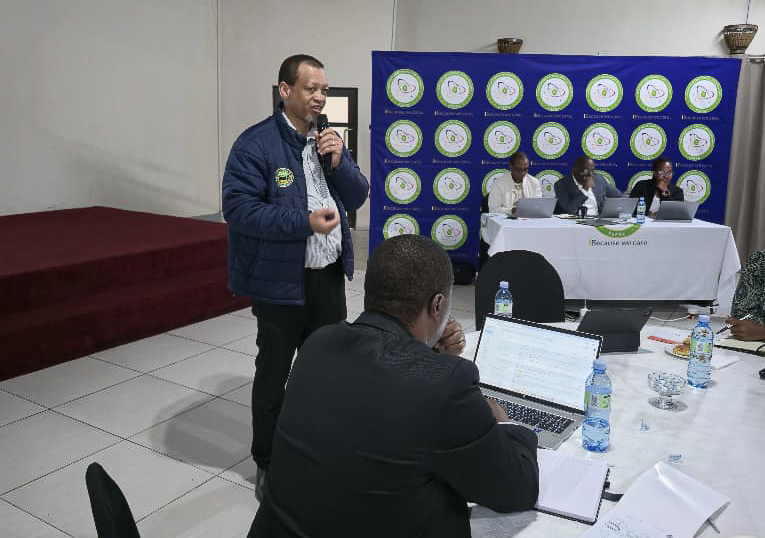
The Eswatini Electricity Company’s (EEC) Managing Director, Enerst Mkhonta, says mounting financial pressure, driven largely by rising electricity import costs, adverse currency movements, infrastructure damage from extreme weather, and higher-than-anticipated electricity demand, leaves the company with no choice but to seek a tariff hike.
Mkhonta, speaking at yesterday’s Electricity Tariff Adjustment Public Consultations in Nhlangano, said the utility is currently operating at a loss and faces an uncertain future.
As a result of these combined pressures, EEC reported an operating loss of E247 million for the year. By November 2025, the operating loss had widened to E391 million. Cash flow projections through March 2026 indicate a deficit of E231 million if corrective measures are not implemented.
The company cited high import tariffs, currency-related cost increases, and significant cost under-recovery during the 2024/25 fiscal year as the primary contributors to the deterioration in its financial position.
To address these challenges, EEC has proposed an average electricity price increase of 20.67 per centre, significantly higher than the previously approved adjustment. The proposed increase is intended to cover additional costs projected for the 2026/27 financial year and to restore the utility’s financial sustainability. Importantly, EEC indicated that fixed charges, including monthly fixed and access charges, would remain relatively moderate, with projected increases of 4.86 per cent.