

The newly launched 2026–2030 Government–United Nations Cooperation Framework marks a significant shift from traditional project-based support towards institutional transformation and long-term development impact, according to United Nations Resident Coordinator George Wachira.
Addressing stakeholders during the Joint National Steering Committee meeting at the UN House in Mbabane on Thursday, Wachira said the new framework was intentionally designed to focus on fewer but more strategic interventions.
“The overall strategic direction of the Cooperation Framework is focused on transforming systems and strengthening institutions through integrated policy support and development interventions,” he said.
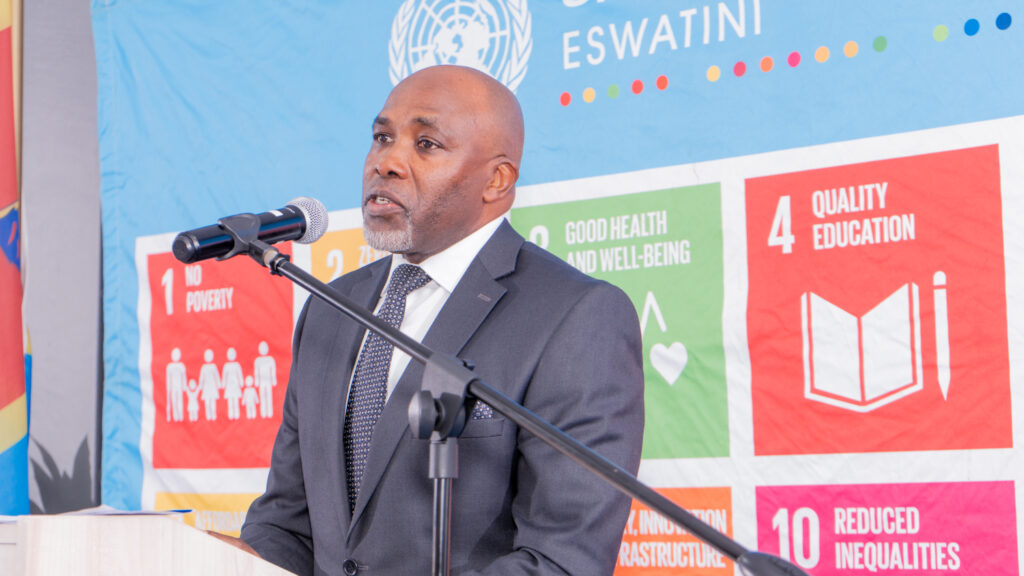
The framework is structured around two strategic priorities, two mutually reinforcing outcomes, nine outputs, and 41 measurable indicators aimed at tracking progress and ensuring accountability.
Wachira said the streamlined structure reflects lessons learned from previous cooperation cycles and aligns closely with Eswatini’s national development priorities.
He also announced the inclusion of five new UN agencies as signatories to the framework: IFAD, ITC, ITU, UNECA and UN-Habitat.
According to the Resident Coordinator, the addition of the agencies strengthens the technical and specialised expertise available to support implementation over the next five years.
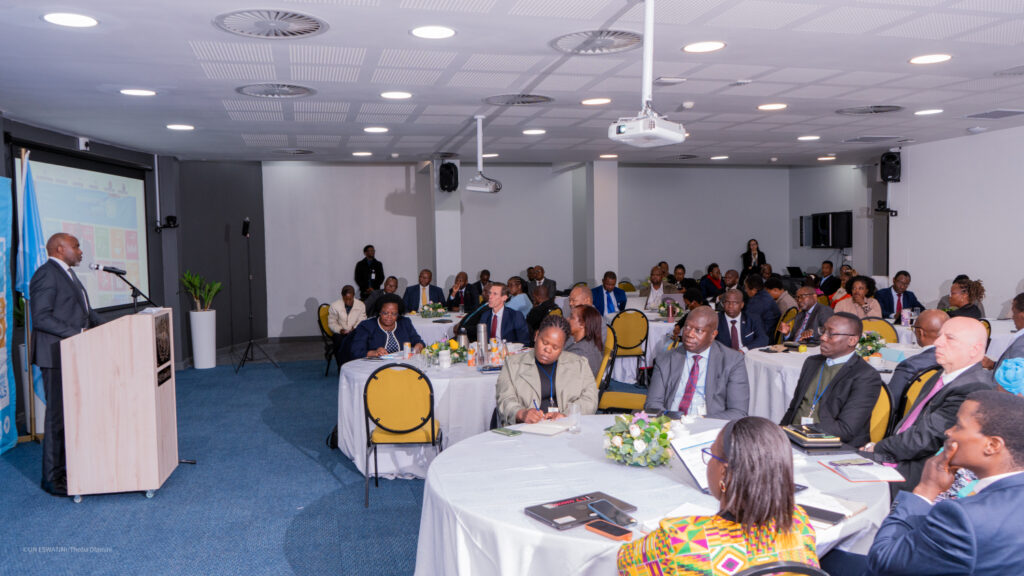
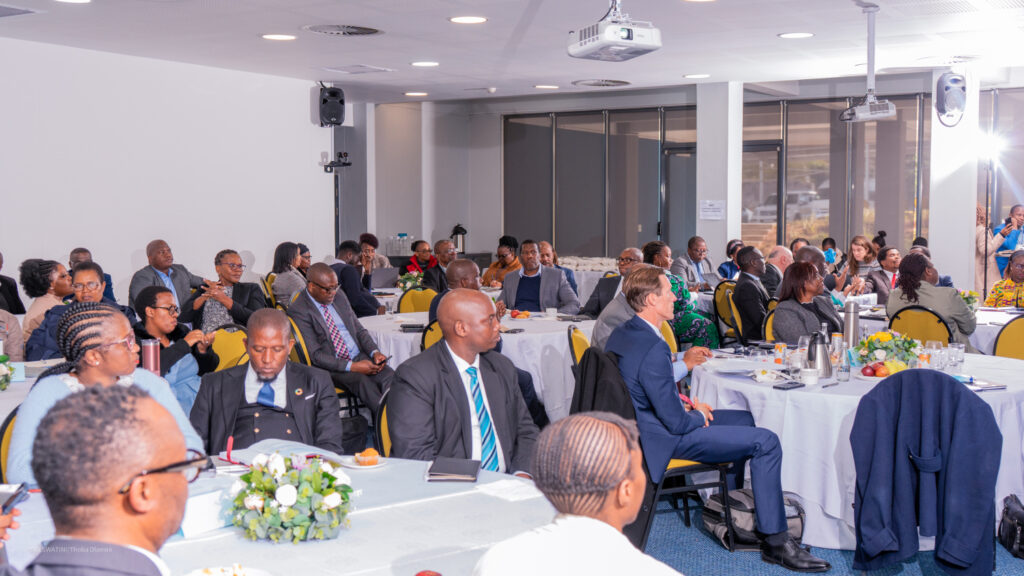

“All 21 agencies bring expertise that will support the country’s development priorities and strengthen implementation,” he said.
Wachira further highlighted ongoing reforms within the United Nations system aimed at improving efficiency and coordination globally.
These include the creation of the UN System Data Commons, Regional Platforms for Integration, and Joint Knowledge Hubs that will improve access to data, expertise, and analysis for member states.
Despite global uncertainty and declining development assistance, Wachira said the UN remained committed to supporting Eswatini’s development agenda and ensuring that no one is left behind.
“Leaving no one behind must guide all development efforts so that every emaSwati benefits equitably from progress,” he said.