
The Industrial Development Company of Eswatini (IDCE) has convened its customers, potential customers and key stakeholders in the energy sector to tackle rising solar project failures and improve the viability of solar energy investments in the country.
The Solar Indaba brought together IDCE clients, primarily from the agriculture sector, alongside regulators and industry players in a collaborative dialogue aimed at building a more informed and sustainable solar energy market. Key participants included the Eswatini Energy Regulatory Authority (ESERA), the country’s energy regulator, and the Eswatini Electricity Company (EEC), as well as agribusinesses such as Tambankulu Estates and Dalcrue Agricultural Holdings.
Discussions focused on critical aspects of solar project development, including financing, compliance, licensing, technical standards, and the Embedded Generation By-Laws under the Electricity Act of 2007. The sessions aimed to close persistent information gaps and support more informed investment decisions.
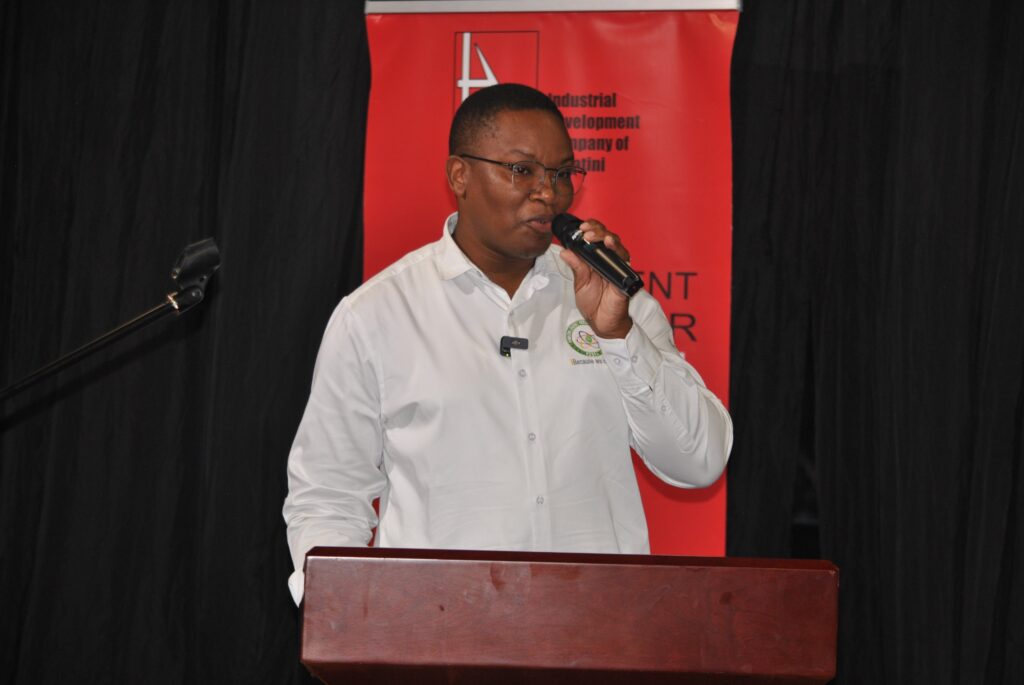
Addressing participants, IDCE Chief Executive Officer – Fairlie Mabuza – said the initiative was prompted by growing concern over the number of solar projects failing to meet projected returns.

“We’ve identified a clear information asymmetry where contractors possess the technical data that project owners often lack,” Mabuza said. “This gap allows for over-specification of unnecessarily expensive projects that ultimately fail to deliver value.”
He said the Indaba was designed to bridge this gap by creating a platform for direct engagement between project owners, regulators, and technical experts, particularly on compliance, licensing, and system design.
The Eswatini Energy Regulatory Authority said the engagement comes at a time when rising electricity tariffs are driving increased interest in alternative energy sources, especially among farmers.
ESERA Electricity Regulation Engineer, Ncamiso Nkambule, said the authority is focused on equipping potential investors with knowledge of regulatory requirements.
“We are seeing more farmers turning to solar to reduce electricity costs. Our role is to ensure they understand the legal and regulatory processes, including licensing, so they can make informed decisions,” Nkambule said.
Meanwhile, the Eswatini Electricity Company provided technical guidance on embedded generation, outlining procedures for integrating solar systems into existing operations.
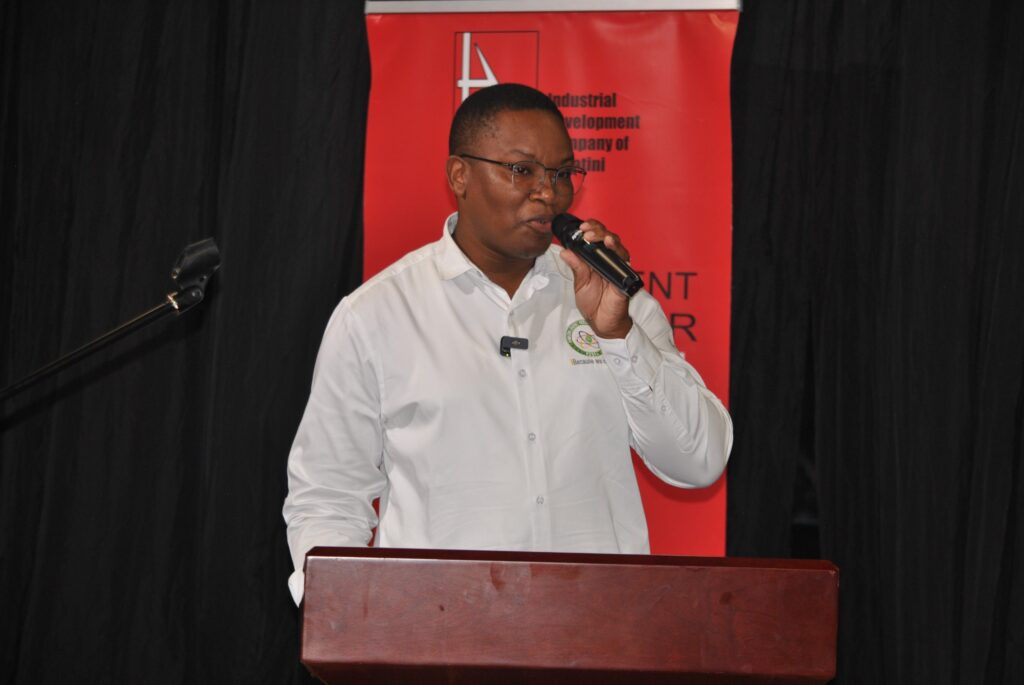

Research and Renewables Engineer Nosipho Simelane said understanding these processes is critical to ensuring compliance and system efficiency.
Industry players also shared practical experiences in adopting solar energy, highlighting both the opportunities and challenges associated with implementation.
Mabuza cautioned that while solar energy presents significant potential, it is not universally applicable to all business models. He urged investors to assess project fundamentals, including financial viability, before committing resources.
“If a project shows signs of negative returns, that should not be ignored but rather used as a basis to refine and improve the project,” he said.
The Indaba forms part of IDCE’s broader efforts to support sustainable industrial growth by promoting informed investment decisions and reducing risks associated with renewable energy projects.