
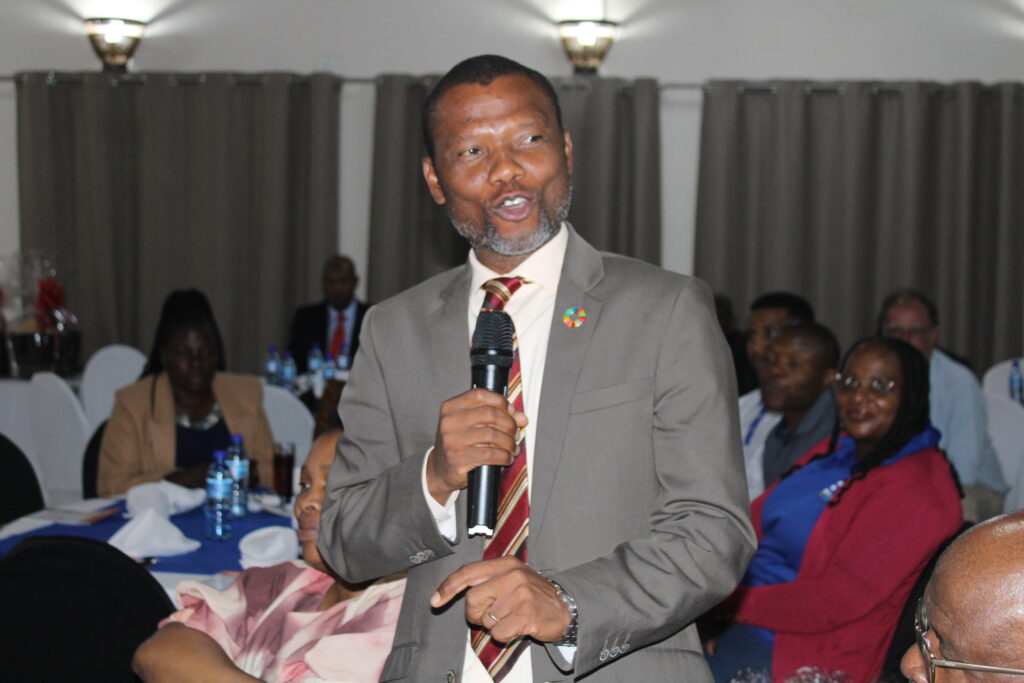
Minister of Housing and Urban Development Apollo Maphalala has warned that the nation’s public institutions face collapse unless the accounting profession returns to its ethical bedrock.”
Speaking today during an ethics breakfast meeting hosted by the Eswatini Institute of Accountants (ESIA) at the Sibanesami Hotel, the Minister’s address followed a keynote by the venerable Professor Wiseman Nkuhlu. As a figure synonymous with the foundation of professional accounting in Southern Africa, Nkuhlu’s presentation, “Harnessing Ancient Wisdom to Energise Ethical Leadership,” provided a powerful bridge between traditional integrity and the complexities of the 21st-century digital landscape.
During the session, the Housing Minister did not mince words regarding the critical role auditors and accountants play in governance. He highlighted a growing and dangerous disconnect between favourable audit reports and the actual health of public entities.
“This thing of relying on what you say as accountants and auditors is very critical,” the Minister asserted. “Sometimes we take reckless decisions even in terms of pronouncing ourselves. We rely on the financials you prepare, yet many institutions continue to go down the creek.”
The Minister expressed deep concern over a recurring trend where annual auditing reports presented to Cabinet suggest an organization is stable, while the reality on the ground indicates a downward spiral. “The professionals have pronounced that it is okay, and we believe it is okay because we rely on your word. Yet, the institutions—particularly public ones—continue to fail.”
A central theme of the Minister’s address was the need for accountants to resist external pressures, whether political or emotional. He cautioned against making pronouncements based on the demands of Parliament or other stakeholders.
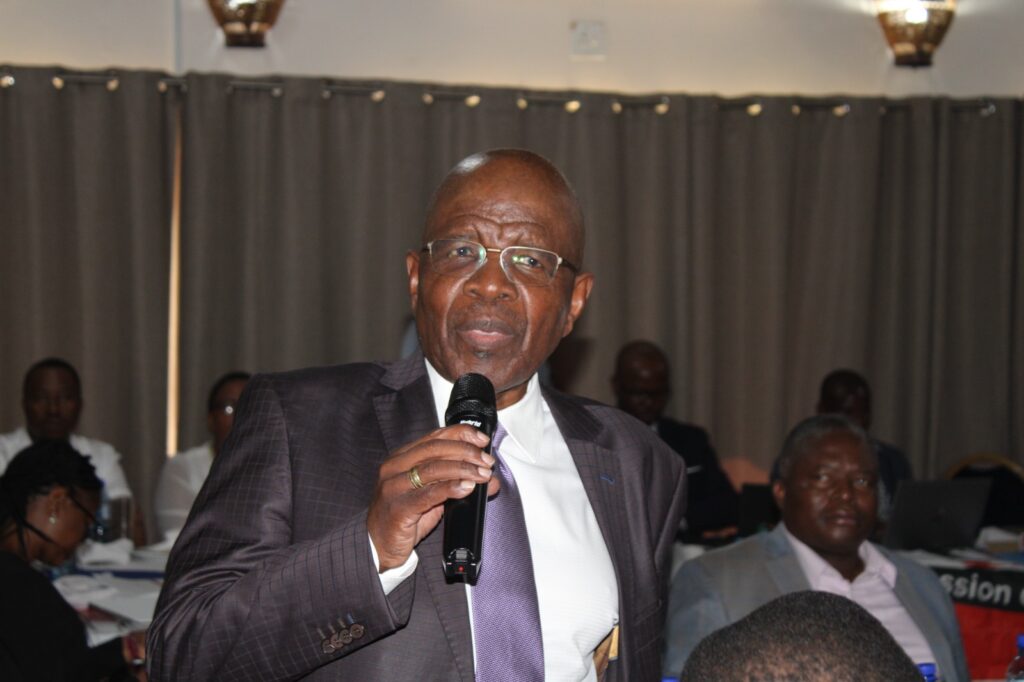
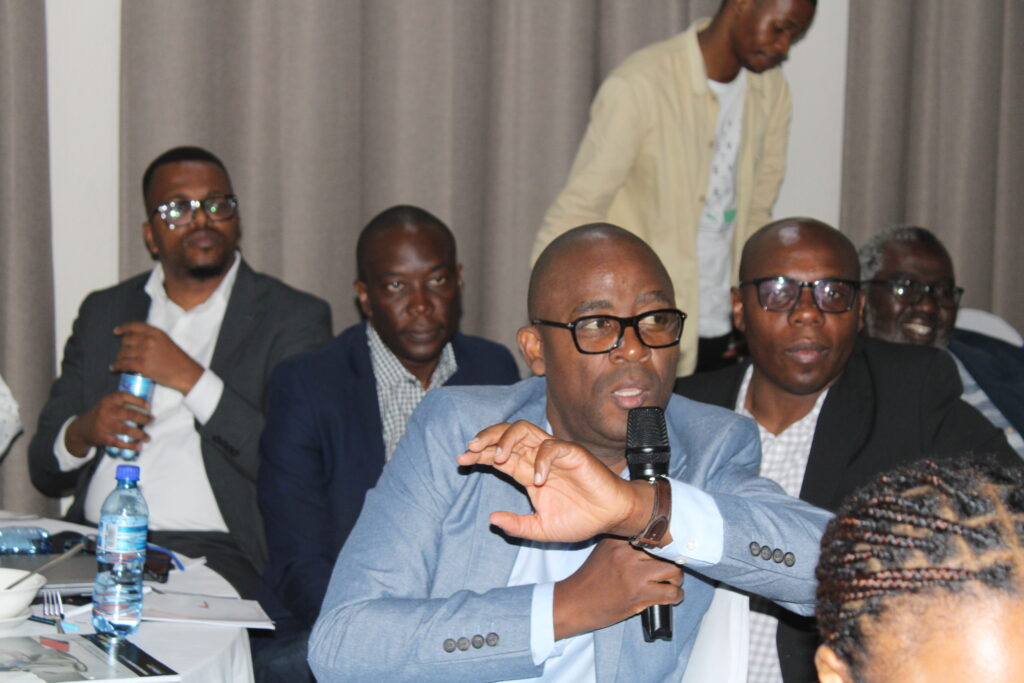
“When you make a pronouncement, it should not be an emotional one… based on what other people have said or what Parliament is pushing you to say. It must be based on the principles shared and on a higher moral standing,” he said.
The Minister warned that a narrow focus on “mere compliance” is no longer sufficient to protect the public interest. He argued that true leadership requires a moral fortitude that transcends checkboxes, ensuring that financial reports reflect the true economic substance of an entity rather than a manufactured sense of security.
Professor Nkuhlu echoed these sentiments, pointing to “Ancient Wisdom” as a revitalizing force for modern leadership. By bridging the gap between foundational values and today’s digital complexities, the meeting served as a vital reset for the profession. The ultimate consensus was clear that in an era of rapid transformation, the human element and a commitment to truth remain the only true safeguards against institutional decay.