
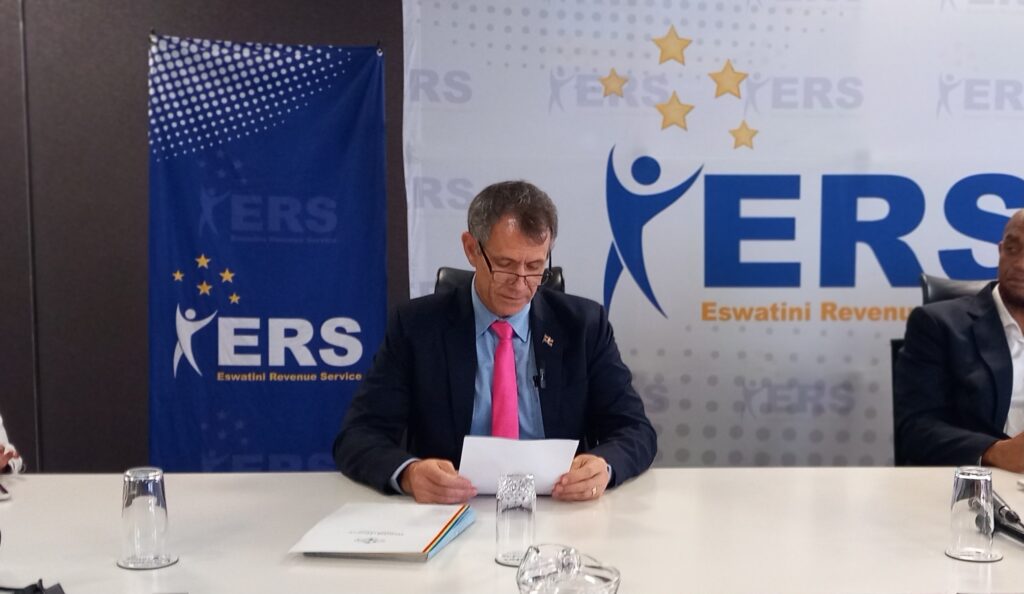
Government has officially commissioned a comprehensive review of salary structures across State-Owned Enterprises (SOEs), marking a major step toward harmonising remuneration practices and improving governance within the public enterprise sector.
The process was formalised on Monday at the Eswatini Revenue Service (ERS) headquarters where Ministry of Finance Principal Secretary, Vusie Dlamini, signed a contract with Emergence Human Capital, represented by Managing Director, Raun Smythe, to carry out the national salary review exercise.
The initiative is expected to establish equitable, competitive and sustainable remuneration frameworks across all SOEs, addressing long-standing disparities in pay structures between entities.
Speaking at the signing ceremony, the Minister of Finance, Neal Rijkenberg, said the review is central to government’s efforts to strengthen governance, promote fairness and consistency in remuneration, and improve the efficiency and long-term sustainability of State-Owned Enterprises. He described the exercise as a critical intervention that would help government establish equitable, competitive and sustainable remuneration frameworks across the SOE sector. He added that the exercise comes at a critical time when government is seeking to ensure that public enterprises operate on a more coherent and financially sustainable basis.
Rijkenberg acknowledged frustrations among SOEs over delays in implementing salary adjustments, saying many entities were under pressure from labour unions and employees who had waited years for clarity on remuneration issues.
According to the Minister, entities that consistently met performance targets and generated revenues were more likely to secure salary adjustment approvals, while struggling entities often fell further behind.
“What we found as government was that those entities that were performing well were getting salary approvals while others were left behind. Over time, the gap became bigger and bigger, making it difficult for struggling organisations to recover,” he said.
The review will seek to establish fair and consistent remuneration benchmarks across similar job categories while recognising differences in organisational size, complexity and responsibility.
However, Rijkenberg stressed that harmonisation does not mean all employees or executives will earn the same salaries.
“There are jobs that are larger than others and entities that carry different levels of responsibility. But when it comes to lower-level positions, there is no reason why a driver or cleaner in one organisation should earn significantly more than someone performing the same role elsewhere,” he said.
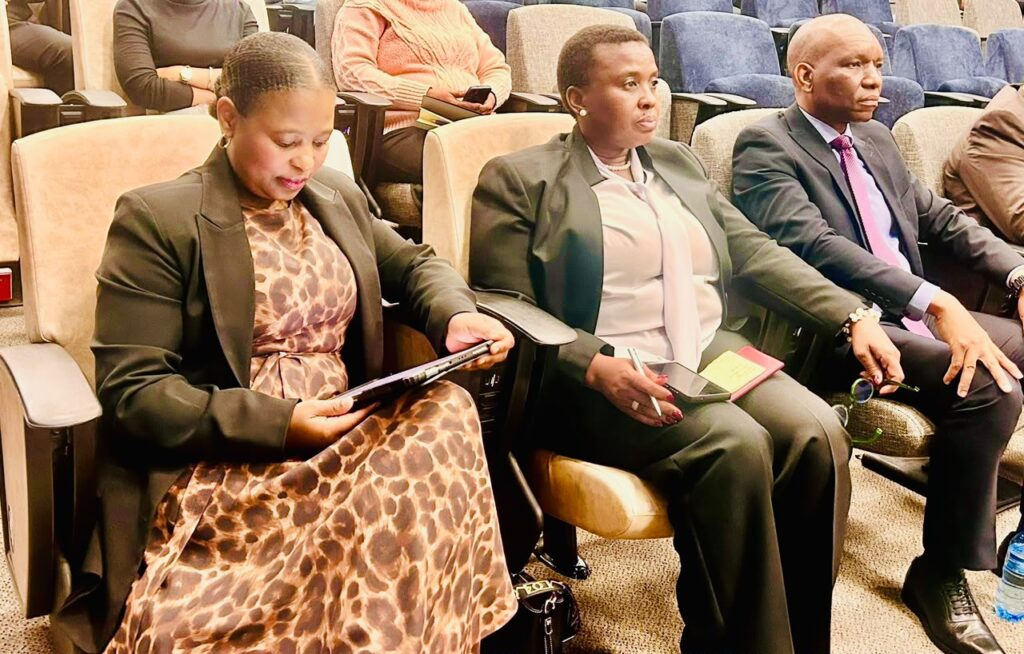
Following the signing, Emergence Human Capital presented an overview of the assignment to Chief Executive Officers (CEOs) and Chief Financial Officers (CFOs) from across the SOE sector, outlining the scope, objectives and expected outcomes of the review.
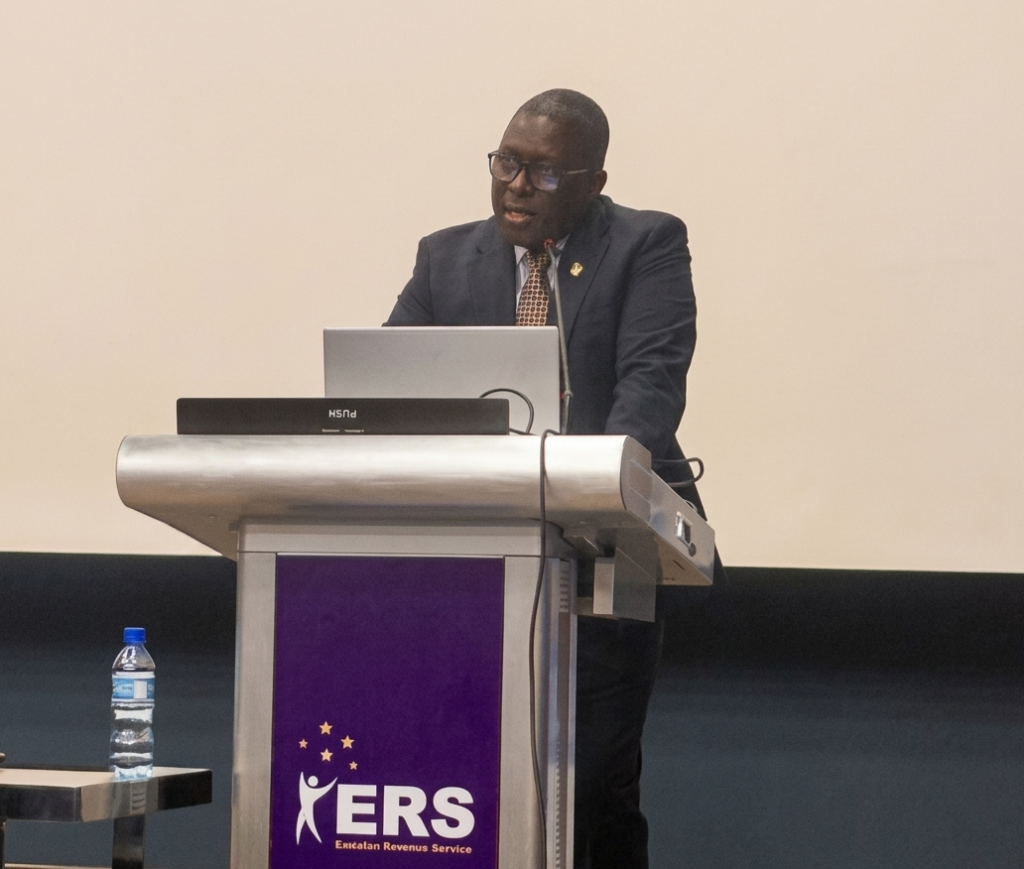
The Board Chairman of the Eswatini Public Enterprises Association (ESPEA) welcomed the launch of the project, noting that the process had taken time due to procurement and structural challenges. He explained that the project was initially commissioned in May 2024 but had to undergo several procurement adjustments, including a shift to a limited tender process after initial bids proved unsuccessful.
The ESPEA Chairperson urged cooperation from all institutions, particularly in the timely provision of data required by consultants.
“The success of this exercise depends on how quickly and accurately information is shared. We must work together as a unit to ensure the process is completed within the expected timeline,” he said.