
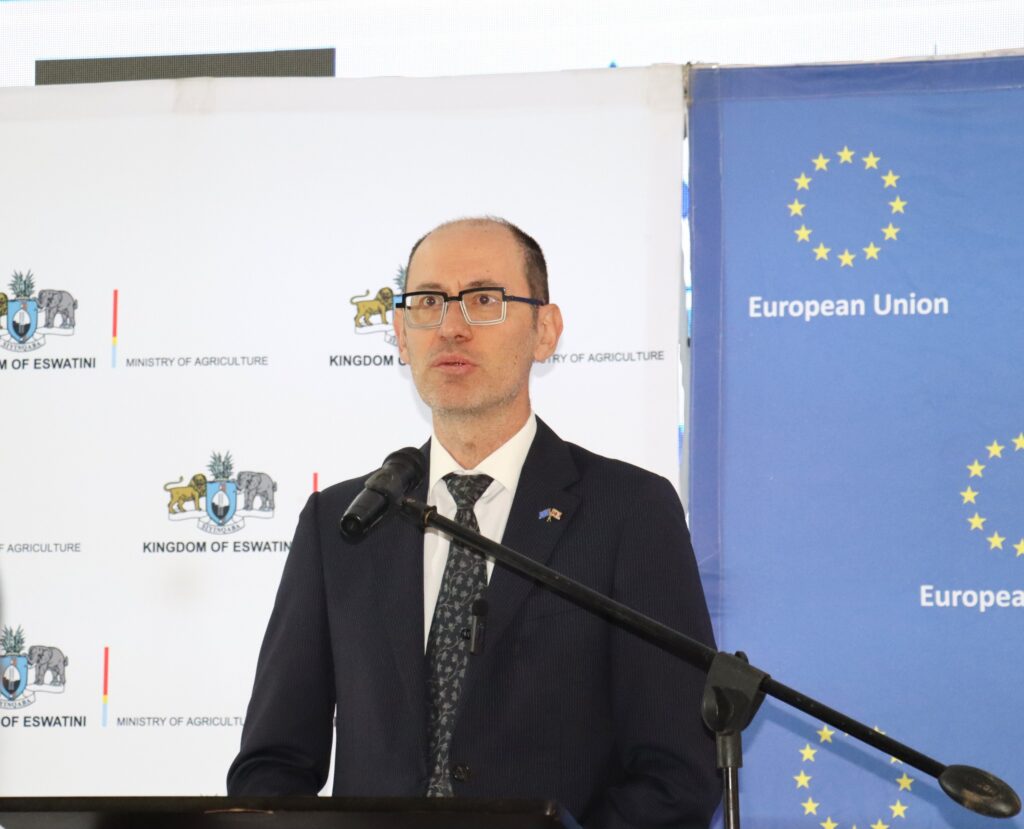
The European Union has reaffirmed its commitment to supporting Eswatini in combating Foot-and-Mouth Disease (FMD), positioning disease control as central to unlocking the country’s livestock trade potential.
Speaking at the Feedlot Indaba 2026, Political Counsellor Jose Marta Becerra underscored that effective FMD management is critical not only for protecting livestock productivity but also for maintaining and expanding access to international markets.
Becerra highlighted that the EU, through the Eswatini Livestock Value Chain Development Programme (ELVCDP), has been actively supporting the country’s FMD preparedness, surveillance, and response systems in collaboration with the Ministry of Agriculture and the Department of Livestock and Veterinary Services (DVLS).
“Disease control, particularly FMD, is a trade imperative,” he said, noting that outbreaks can severely disrupt exports by limiting compliance with international sanitary and phytosanitary standards.
Among the key interventions, the EU has strengthened vaccination campaigns, reaching more than 600 cattle and goat farmers. These efforts have improved herd health, reduced vulnerability to outbreaks, and enhanced compliance with export requirements.
In addition, support has been extended to improve rapid response capacity on the ground.
The provision of five vehicles to DVLS has enhanced mobility for veterinary teams, enabling quicker containment of outbreaks and more effective monitoring across the country.
Becerra further pointed to coordinated efforts in surveillance and early warning systems, which are essential for identifying and managing FMD risks before they escalate. These measures are aimed at restoring confidence among trading partners and ensuring the continuity of livestock exports.
Beyond immediate response, the EU is also investing in long-term resilience. Ongoing initiatives such as rangeland development and the establishment of key infrastructure, including a planned feed analysis facility, are expected to strengthen the overall health and productivity of the livestock sector, indirectly supporting disease management.
Despite these gains, Becerra acknowledged that FMD remains a persistent challenge, particularly for micro, small, and medium enterprises (MSMEs) that often lack the resources to effectively manage disease risks. He stressed the need for continued collaboration, stronger biosecurity measures, and increased investment in veterinary services.
“The fight against FMD requires sustained effort, coordination, and investment. It is not a once-off intervention, but a continuous process,” he said.
He also called for stronger public-private partnerships and innovative financing solutions to ensure that farmers, especially smallholders, can adopt improved biosecurity practices and participate in formal markets.
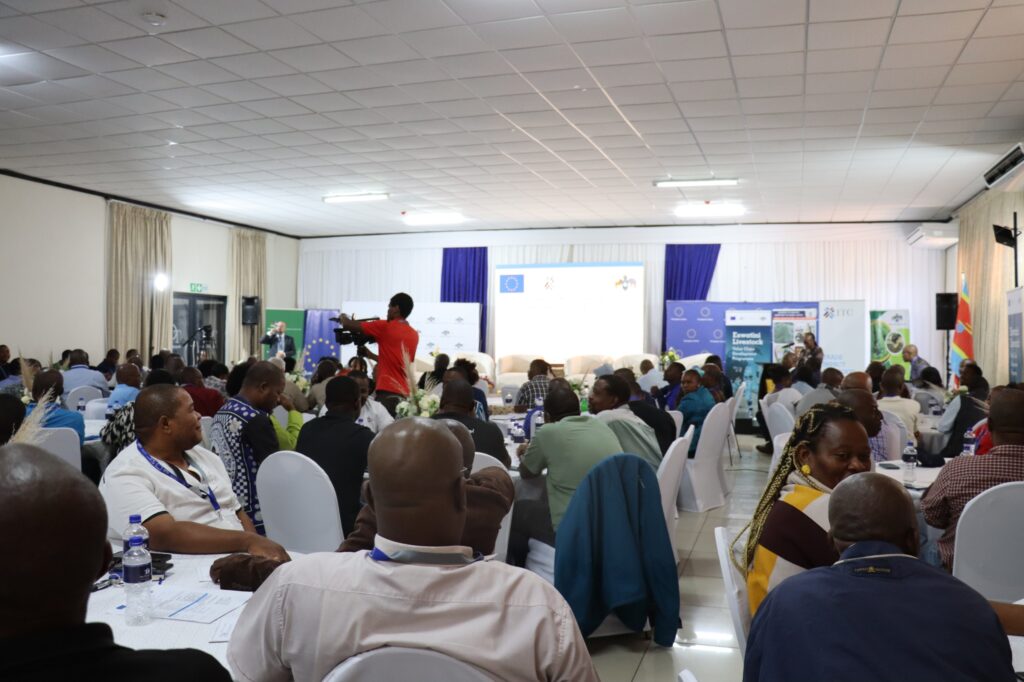
The Indaba, he noted, provides a critical platform to move from discussion to action, with stakeholders expected to define practical steps to strengthen disease resilience across the value chain.
Reaffirming the EU’s long-term commitment, Becerra concluded that controlling FMD is key to unlocking Eswatini’s livestock export potential and building a competitive feedlot sector.
“With strengthened systems, coordinated action, and sustained support, Eswatini can safeguard its livestock industry and expand its footprint in regional and international markets,” he said.