
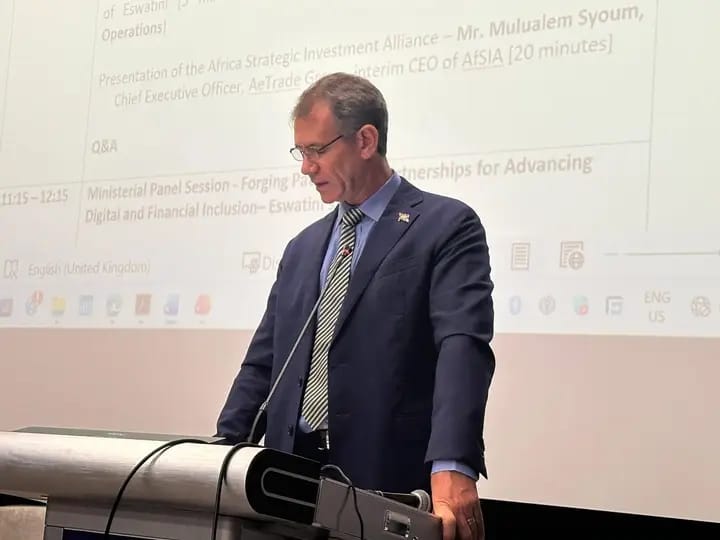
Eswatini has been selected as the headquarters of the newly launched Africa Strategic Investment Alliance (AfSIA), positioning the Kingdom at the centre of a continental push to unlock billions in financing for small and medium-sized enterprises (SMEs).
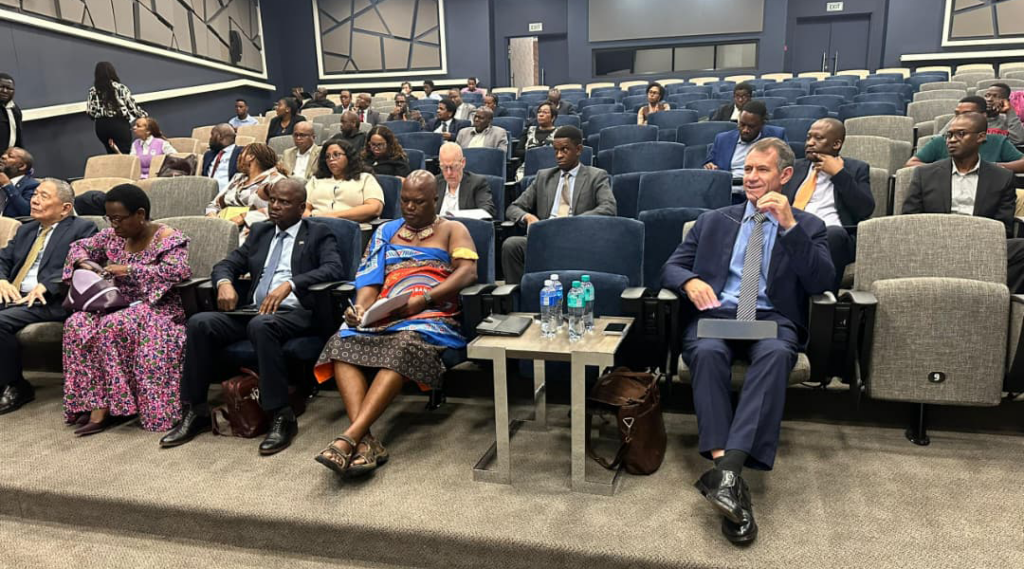
The announcement was made during a high-level stakeholders’ forum held at the Eswatini Revenue Service (ERS) headquarters in Ezulwini, where policymakers, financial institutions and private sector leaders convened to operationalise the initiative.
AfSIA is a pan-African investment platform designed to mobilise capital at scale and channel it towards productive sectors of the economy, with a particular focus on women and youth-led enterprises. The alliance seeks to address Africa’s persistent SME financing gap, estimated at between US$330 billion and US$420 billion annually.
The initiative comes against the backdrop of a significant structural imbalance in Africa’s trade patterns. While other global regions conduct between 70% and 80% of trade within their own blocs, Africa trades only about 18% within the continent, with the remaining 82% conducted with external markets.
Minister of Finance Neal Rijkenberg said this imbalance has left Africa exporting raw materials while importing finished goods, limiting industrialisation and job creation across the continent.
“We are not creating the jobs linked to producing the goods we consume. That is the gap we must fix,” he said.
He explained that the African Continental Free Trade Area (AfCFTA) was designed to boost intra-African trade, but without functional trading platforms and accessible financing, many enterprises remain unable to take advantage of these opportunities. AfSIA, he said, is intended to close that gap by linking market access with financing, ensuring that businesses are funded based on real trade opportunities rather than speculative proposals.
“What we are building is not just access to funding, but funding for trade. Once a business has a market, then financing follows,” Rijkenberg said.
At the core of the ecosystem is the AeTrade platform, which facilitates cross-border trade by connecting African producers to buyers across the continent. This includes enabling small businesses, such as local artisans, to access markets beyond national borders. However, officials noted that access to markets alone is insufficient if businesses lack the capital to fulfil orders, an issue AfSIA directly addresses.
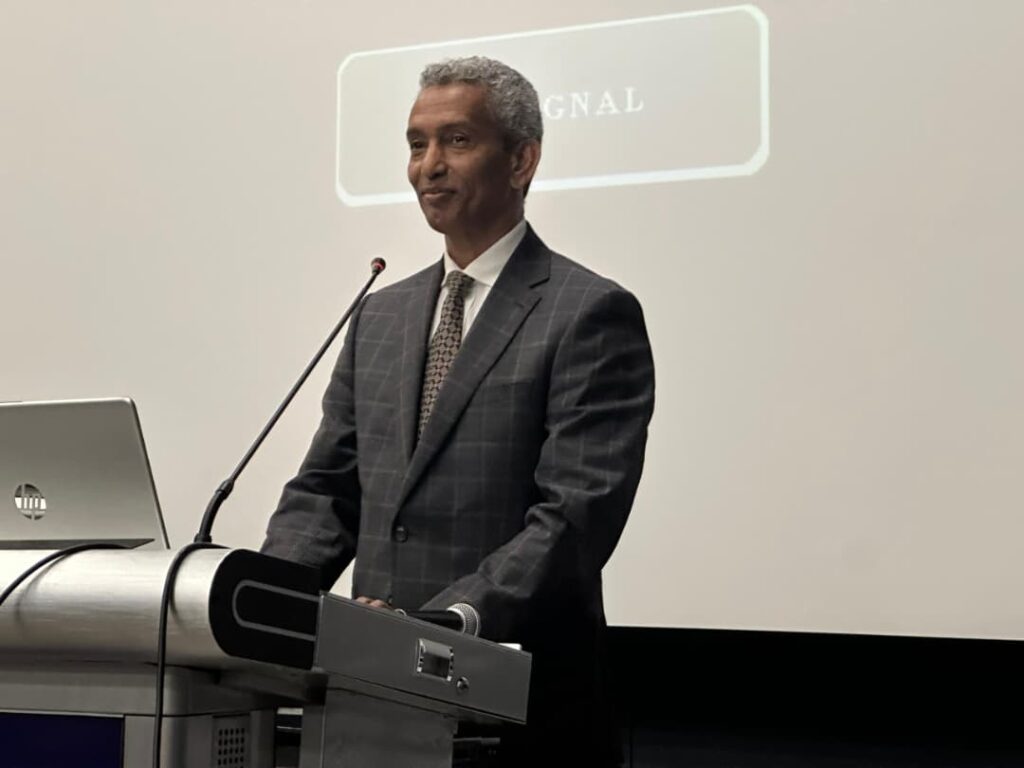
Speaking at the forum, AfSIA Interim Chief Executive Officer Mulualem Syoum said the establishment of the headquarters in Eswatini reflects growing confidence in the country’s leadership and commitment to economic transformation.
“Eswatini therefore has a singular opportunity to demonstrate how a determined nation can mobilise its institutional, entrepreneurial and financial systems to support inclusive economic growth,” he said.
Syoum noted that while micro, small and medium enterprises account for over 90 percent of businesses across Africa and generate the majority of employment, limited access to affordable finance continues to constrain their growth potential.
He explained that AfSIA is conceived as a structured investment alliance rather than a donor programme. It is designed to pool capital from governments, development finance institutions, sovereign investors, and private partners, reinvesting the returns to sustain long-term growth.
At the core of the initiative is a revolving capital model aimed at ensuring the continuous circulation of funds within the economy, enabling broader access to financing rather than concentrating resources among a few beneficiaries.
“Capital must not only be deployed, but it must also circulate. If capital does not revolve, development cannot,” Syoum emphasised.
Beyond financing, AfSIA operates within a broader ecosystem that integrates digital trade, financial infrastructure, skills development and market linkages. Digital platforms will enable real-time tracking of transactions, improve transparency and support data-driven credit scoring, allowing businesses to access funding based on actual performance.
Chairperson of the AfSIA Advisory Board, Dr Monique Nsanzabaganwa, said the initiative represents a critical step towards building African-owned financial systems capable of supporting enterprise development at scale.
“Africa’s challenge is not just the availability of finance but ensuring that finance is structured in a way that works for SMEs,” she said.
Nsanzabaganwa noted that many small businesses fail within their first few years due to lack of support systems, including access to markets, skills development and affordable financing.
AfSIA aims to address these structural challenges by combining financing with training, digital tools and value chain integration, ensuring that businesses are not only funded, but also positioned to succeed.
Implementation of the initiative is expected to begin immediately, with technical teams already on the ground in Eswatini identifying viable enterprises, building value chains and facilitating market linkages.