
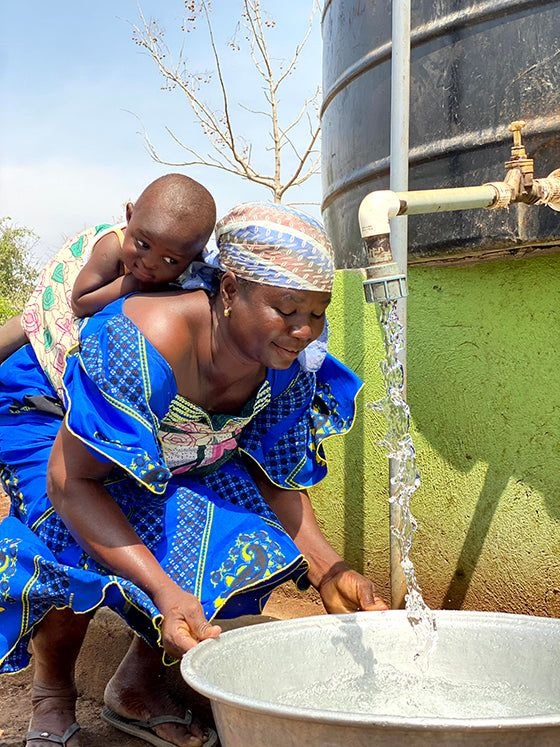
As the Kingdom of Eswatini prepares to commemorate World Water Day on 22 March, a coalition of national institutions, development partners and private sector organisations is uniting to highlight the intersection of water security and gender equality.
The commemoration is brings together heavyweights in the water development sectors including, INMACOM, Nisela Farms, Eswatini Water Service Corporation (EWSC), Joint River Basin Authorities -Project Board (JRBA-PB), Komati Basin Water Authority (KOBWA), ESWADE, Department of Water Affairs (DWA), UNICEF among other stakeholders supporting water management and environmental sustainability in the country.
Joint River Basin Authorities Head of Public Relations and Communications, Wandile Zishwili, who also forms part of the organising committee for this year’s commemoration, said the global observance provides an important opportunity to highlight the link between water access, development, and equality.
“World Water Day reminds us that water is not only essential for survival, but it is also a foundation for dignity, equality and sustainable development within our communities,” Zishwili said.
Observed worldwide under the leadership of the United Nations, World Water Day raises awareness about the importance of freshwater and the need for responsible and sustainable management of water resources.
Women and Girls Bear the Burden
This year’s theme, “Water and Gender,” highlights the strong connection between water access, sanitation, and gender equality.
According to Zishwili, women and girls often face the greatest challenges when water sources are far from home.
“In many rural communities, women and girls walk long distances daily to collect water for household use. This responsibility can affect school attendance, reduce economic opportunities, and increase exposure to health and safety risks,” he said.
He explained that improving reliable access to clean water is therefore not only about meeting a basic household need but also about advancing dignity and opportunity.
Across Eswatini, water remains central to livelihoods and national development. Communities rely on rivers, dams and groundwater sources for domestic use, agriculture and small-scale enterprises.
However, climate variability, recurring droughts and growing demand continue to place pressure on water resources.
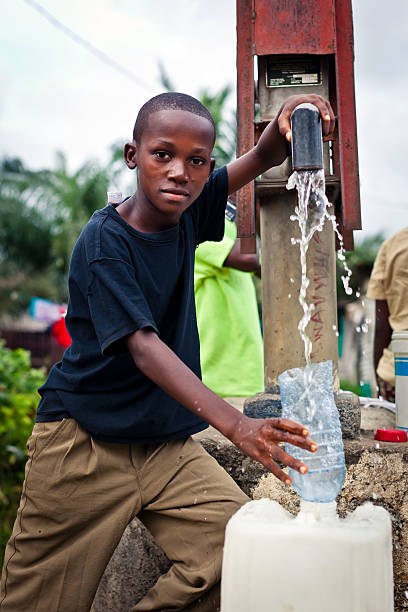
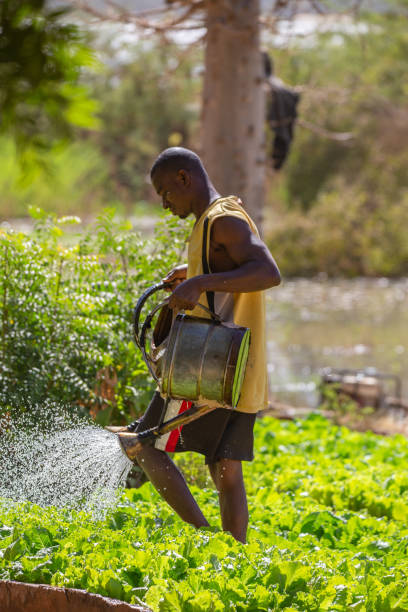
“Responsible water management ensures that our water resources can continue supporting households, agriculture and economic growth while also safeguarding the environment,” Zishwili said.
Schools Promoting Water Awareness
Schools also play a key role in promoting water awareness
Access to safe water and modern sanitation facilities improves learner health and school attendance, particularly for girls.
Zishwili said educational institutions can use World Water Day to teach young people about water conservation.
“When learners understand the value of water and the importance of protecting it, they grow into responsible citizens who help sustain water resources in their communities,” he said.
Activities such as debates, environmental campaigns and water conservation initiatives are expected to form part of the awareness programmes during the commemoration.
Zishwili further emphasized that inclusive participation, particularly the involvement of women in water management structures, helps ensure that water systems reflect real community needs.
“Women manage water daily in households, so their perspectives are essential. When they participate in decision-making processes, water management becomes more inclusive and effective,” he said.
“Where Gender Equality Flows, Water Flows”
This year’s slogan, “Where Gender Equality Flows, Water Flows,” highlights the importance of inclusive leadership in water governance.
“When women and men have equal opportunities to participate in water planning and leadership, communities benefit from more balanced, practical and sustainable solutions,” Zishwili said.
As Eswatini joins the rest of the world in marking World Water Day, organisers say the message remains clear: protecting water resources is a shared responsibility.
“Protecting our rivers, using water responsibly and supporting inclusive water governance are responsibilities that belong to all of us,” Zishwili said.