
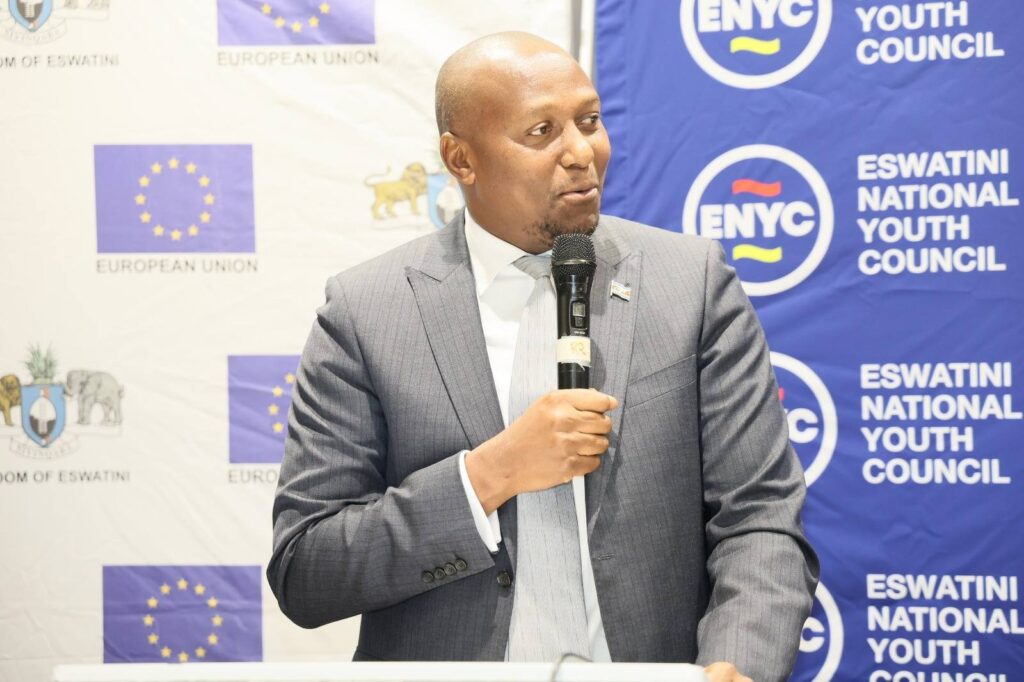
The Government of Eswatini has officially launched the National Youth Development Coordination Framework, a landmark initiative aimed at addressing fragmentation, duplication, and inefficiencies in youth development programmes across the country.
The framework was unveiled on Monday at the Hilton Garden Inn in Mbabane, in an event attended by senior government officials, development partners, private sector representatives, civil society, and youth organisations.
Speaking during the launch, Prime Minister Russell Mmiso Dlamini described the framework as a critical national mechanism that will transform how youth development initiatives are coordinated, implemented, and monitored.
“Youth development lies at the very core of our national agenda,” said the Prime Minister. “With a significant proportion of our population under the age of 35, this presents both an opportunity and a responsibility. This framework sets out to ensure that we harness this demographic dividend effectively.”
The Prime Minister highlighted that despite the existence of numerous youth-focused programmes and policies, including the National Youth Policy and various empowerment initiatives, their impact has been limited by a lack of coordination among stakeholders.
“Too often, institutions have worked in isolation, resulting in duplication of efforts, inefficiencies, and missed opportunities. This framework provides a unified approach to ensure that all actors move in the same direction,” he said.
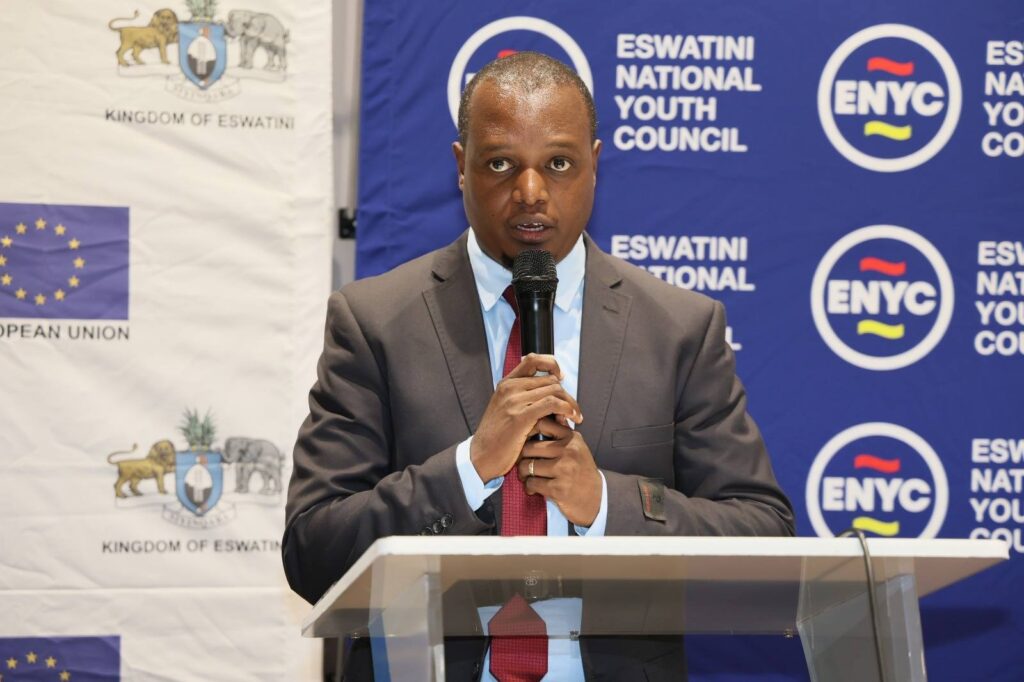
The initiative is spearheaded by the Eswatini National Youth Council in collaboration with the Ministry of Sports, Culture and Youth Affairs, with technical and financial support from the European Union.
Delivering remarks on behalf of the Council, Chief Executive Officer Lwazi Mamba said the framework responds directly to longstanding structural challenges within the youth development sector.
“With more than half of the population below the age of 35, young people represent both an opportunity and a challenge for inclusive and sustainable development,” said Mamba. “However, fragmented programming, duplication of efforts, and limited coordination have undermined the overall impact of youth interventions.”
He noted that the development of the framework followed an extensive consultative process involving government ministries, development partners, youth-led organisations, and the private sector.
Among the key milestones achieved are a comprehensive stakeholder mapping exercise, the establishment of a digital stakeholder database, and the development of a monitoring and evaluation plan to track progress and ensure alignment with national priorities.
The framework also introduces structured coordination mechanisms at multiple levels, including Tinkhundla Youth Committees, Regional Youth Coordination Committees, a National Youth Development Consortium, and an Inter-ministerial Committee.
“These structures will enhance collaboration, improve accountability, and ensure that resources are utilised efficiently to deliver meaningful impact,” Mamba added.
However, he cautioned that the successful implementation of the framework will require additional financial resources, noting that current government subventions remain insufficient.
“We implore government and development partners to support resource mobilisation efforts to ensure that this framework is effectively implemented,” he said.
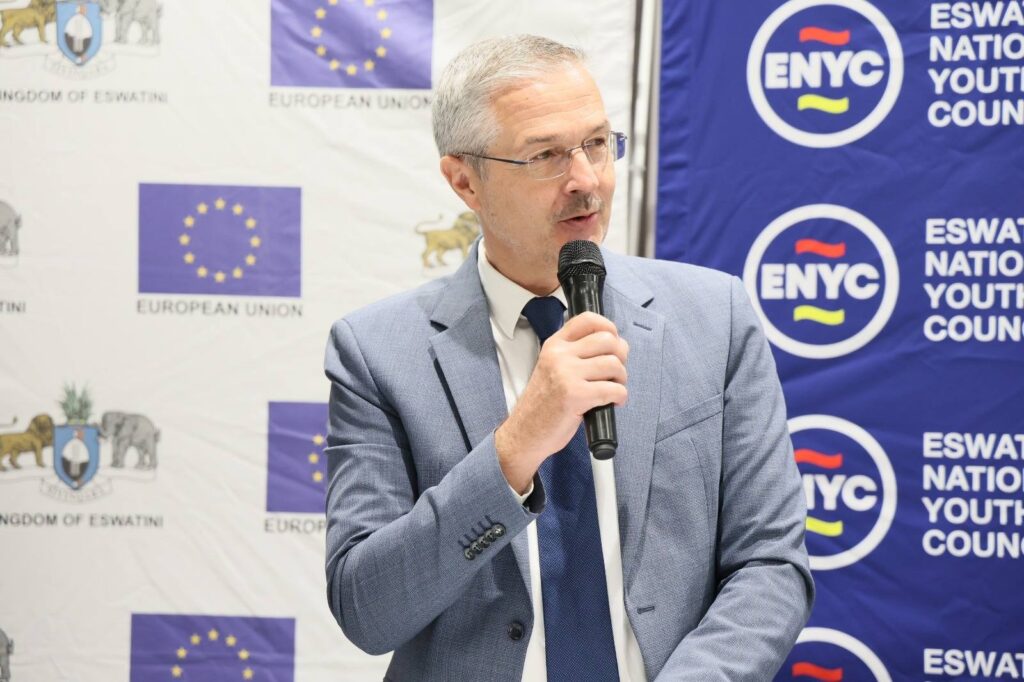
The European Union, a key partner in the initiative, reaffirmed its commitment to youth development in Eswatini. Speaking at the event, EU Ambassador to the Kingdom of Eswatini, Karsten Mecklenburg emphasised the importance of coordination in maximising the impact of development investments.
“The world is facing increasingly complex challenges, and coordination is no longer a luxury but a necessity,” he said. “No single organisation can address the issues affecting youth on its own. This framework provides a platform for all stakeholders to align their efforts and achieve greater impact.”
Youth representatives also welcomed the framework, expressing optimism that it will improve access to opportunities and strengthen collaboration across the sector. Speaking on behalf of youth, Phiwokuhle Mdluli said the initiative addresses long-standing challenges faced by youth, particularly in accessing information and resources.
“Many youth initiatives operate in isolation, with limited coordination and access to support systems,” she said. “This framework gives us hope that opportunities will be better organised, more inclusive, and accessible to young people in all communities.”
However, she emphasised the need for the framework to deliver tangible outcomes beyond policy structures.
“It must not remain a document. It must become a system that works for young people in every region, including rural and underserved communities,” Mdluli added.
The launch of the framework aligns with broader national, continental, and global development agendas, including the African Youth Charter, the African Union’s Agenda 2063, and the United Nations Sustainable Development Goals.