
The Kingdom of Eswatini has expressed interest in becoming a founding member of the Africa Strategic Investment Alliance (AfSIA), a newly established continental investment platform aimed at mobilising billions in capital to support micro, small and medium-sized enterprises (MSMEs) across Africa.
The move comes as AfSIA is formally established as a blended finance platform designed to mobilise African and global capital at scale, targeting a long-standing financing gap estimated at between $330 billion and $420 billion annually across the continent.
Despite accounting for more than 80 percent of employment in Africa, MSMEs continue to face limited access to affordable, scalable, and trade-linked finance, constraints widely seen as a barrier to inclusive growth and industrialisation.
AfSIA has been structured as a permanent capital aggregation and deployment mechanism, pooling sovereign, development, pension, philanthropic, and private sector capital into a coordinated investment platform. The initiative will deploy financing through national investment windows, targeting enterprise growth, job creation, and the strengthening of regional value chains.
The platform is closely aligned with the implementation of the African Continental Free Trade Area (AfCFTA), which seeks to boost intra-African trade by creating a single continental market.
AfSIA aims to address this gap by linking capital directly to enterprise pipelines and trade ecosystems, with a focus on sectors such as agribusiness, manufacturing, digital trade, fintech, logistics, and green industries.
The establishment of AfSIA follows the adoption of an African Union Executive Council decision in February 2022, which recognised AeTrade Group as a strategic partner mandated to accelerate digital trade, financial inclusion, and economic transformation across member states. AfSIA has since been developed as the financing vehicle to operationalise this mandate.
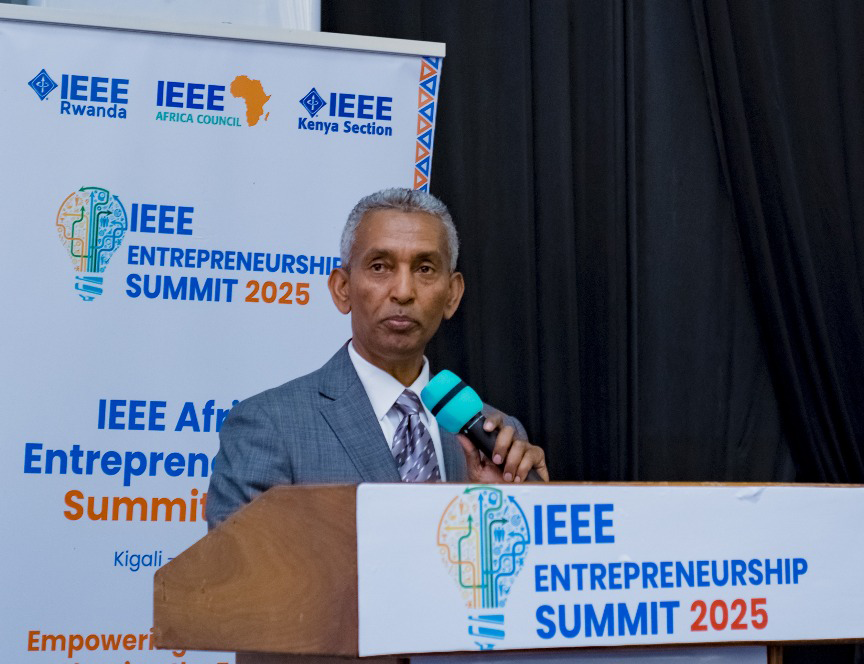
Speaking on the development, Mulualem Syoum – CEO of AeTrade Group – said the continent’s challenge is not a lack of opportunity, but the absence of structured pathways for capital deployment.
“Africa does not lack opportunity, it lacks structured pathways for capital deployment,” he said.
“AfSIA bridges capital, enterprise pipelines, and policy. By mobilising blended finance through national investment windows, we are building the investment infrastructure required to scale SMEs, strengthen value chains, and deliver jobs at a continental level.”
Unlike traditional development programmes or grant-based interventions, AfSIA is designed as a reinvestment-driven platform, where financial returns are recycled into a growing continental capital base. This model is intended to create a sustainable, African-owned financing system capable of supporting long-term economic transformation.
For Eswatini, participation as a founding member presents a strategic opportunity to expand access to MSME financing without significantly increasing sovereign debt, while also strengthening export capacity and supporting job creation, particularly among youth and women.
“ASIA represents a shift from fragmented financing toward a reinvestment-driven African- owned capital architecture,” added Syoum. “This is not a project. It is a permanent continental financing institution.”
The country is also being considered as a potential host for the Southern Africa regional headquarters, a development that could position Eswatini as a key node in continental investment coordination and financial flows.
The momentum behind AfSIA was reinforced during the Africa Job Creation Forum, co-organised by the Government of Ethiopia, AeTrade Group, and the African Union Commission. The forum concluded with the adoption of the ADWA Declaration, which called for the operationalisation of structured financing mechanisms to support enterprise development and job creation across Africa.
AfSIA’s governance framework includes a Governing Council representing member states and anchor investors, supported by an independent advisory board, investment and technical committees, and a finance and risk committee. The platform has also committed to strict accountability measures, including audited financial statements and digital traceability of fund flows.