

In the world of Swazi digital storytelling, few names resonate with as much authenticity and heart as Thabile Maripe, a Public Relations specialist, content creator, foodie, explorer, and game-changer, having founded one of Eswatini’s most influential online travel communities.
Yet, for someone who seems constantly on the move and always behind a lens, capturing the country’s hidden gems, she describes herself in surprisingly simple terms: “I’m a dreamer, a God-girl, a mother and a lover of life.”
To understand Thabile is to appreciate the beautiful complexity of her many layers. She is an ambivert who savours solitude as deeply as she delights in the energy of company in a lively restaurant; a homebody grounded in the calm of her kitchen yet invigorated by the thrill of a dusty road leading to an unexplored lodge; a woman who transformed escape into an art form and her passions into a vibrant, nurturing community.
This is the story of how travel and food became the pillars of Thabile’s creativity and how that creativity evolved into a movement that reshaped domestic tourism in Eswatini.
A Dreamer Defined by Food and Travel
Although Maripe wears many hats, including communications professional, storyteller, social media curator, and travel enthusiast, she says two parts of her identity stand above the rest. “If there’s one thing that feels the most me,” she says, “it’s the food side of things. The foodie in me. And the travel. Those two are my thing.”
These loves, she explains, aren’t just hobbies. They are anchors, two passions that intersect, blend, and feed one another. When she travels, she goes to taste; when she cooks, she cooks to create experiences that evoke places she has explored. The synergy is natural, organic, and deeply personal. Yet for someone who constantly shares beautiful locations and vibrant plates online, she insists she is very much a homebody. “People don’t believe it,” she laughs.
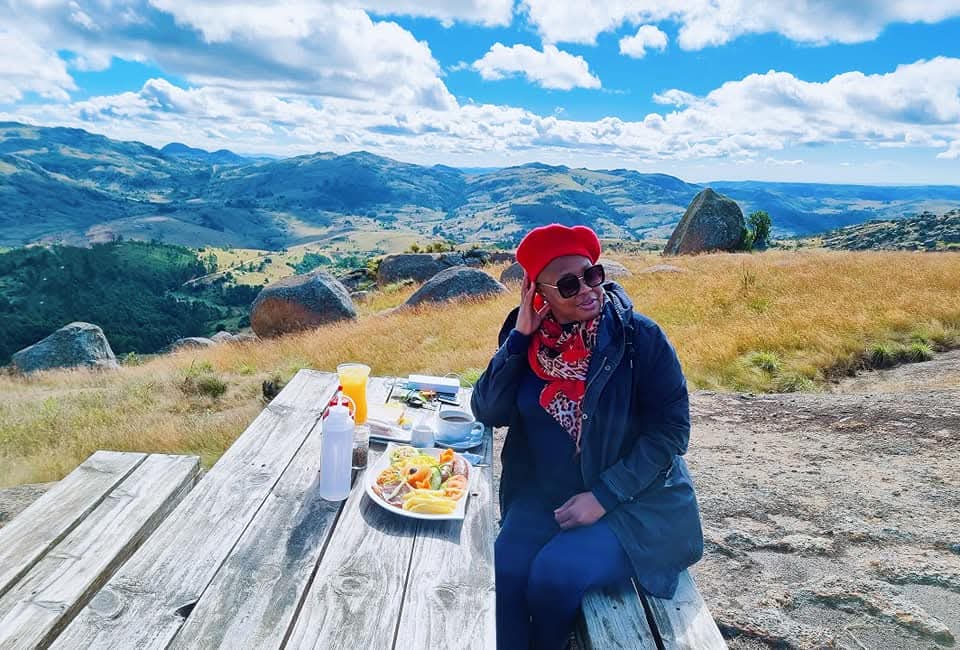
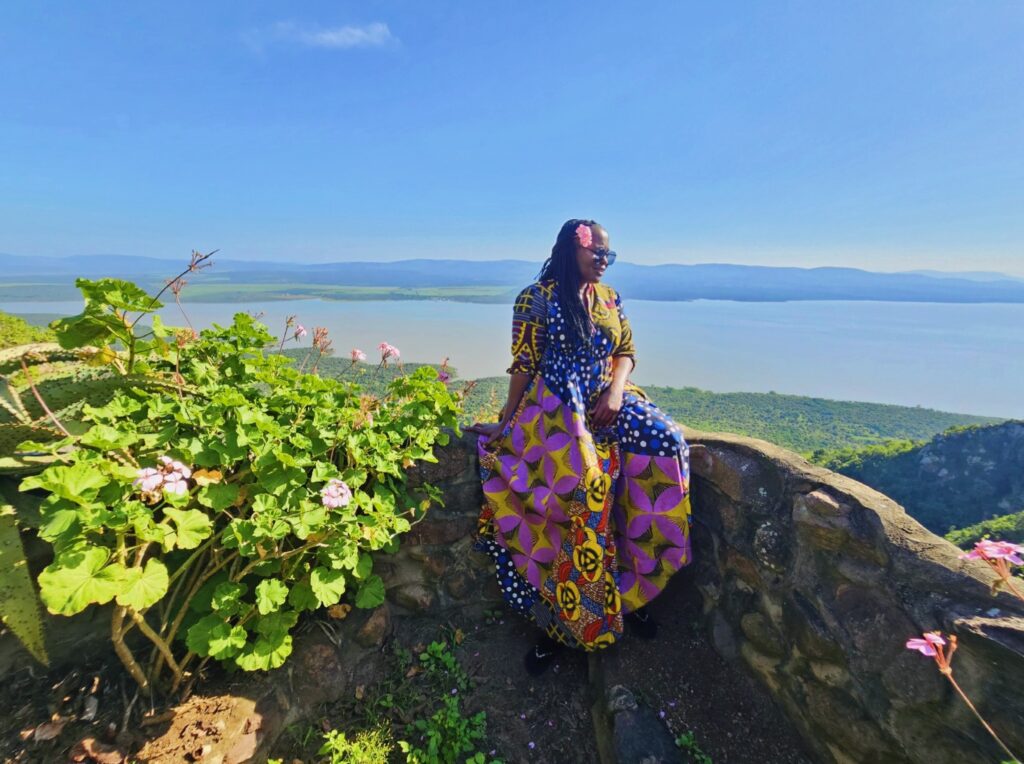
“But if I’m not working as a PR specialist during the week, on weekends you’ll find me doing one of two things, either cooking at home or traveling somewhere nearby. And I’m equally happy with both.” Her joy in solitude explains another mystery people often wonder about: Who takes her travel photos? “Me,” she says without hesitation. “The million-dollar question I’m always asked.”

Solo Travel as a Way of Life
Solo travel isn’t just a preference for Thabile, it’s a philosophy. She believes too many people treat travel as an event that needs committees, perfect timing, and multiple friends agreeing on a plan. That approach is only as great as it does not stall the process, she says. The problem is when it stops trips from ever happening. “If you can’t travel alone,” she explains, “you’ll always wait for people. And then the trip never happens. For me, if others join, lovely. If they don’t, I still go.” Her independence is rooted in her ambivert nature.
She thrives in groups but equally treasures quiet moments alone, which she uses to cook, explore, and reconnect with herself. It’s also where her best content comes from: the stillness, the observation, the intentional experience. “I can enjoy my friends. I can enjoy my family. But I’m also very okay being on my own.”
Cooking as Escape and Healing
Although travel came later in her life, cooking was her first love, born not of luxury or freedom but of necessity and pain. Thabile grew up under difficult circumstances. “My childhood wasn’t the best,” she shares softly. “With hindsight, I was exposed to things no child should experience. There was abuse. There was violation. There was neglect and hardship.” In that environment, cooking became both a duty and a refuge. She had responsibilities far beyond her age, including slaughtering chickens by the dozen, preparing meals daily, and serving entire households.
It could have bred resentment, but instead, something unexpected happened. “It was either I would hate cooking forever, or I’d fall in love with it. And I fell in love.” The kitchen became her sanctuary, a safe space where she could create, imagine, and escape the chaos around her. Her talent unfolded naturally. When it came time to choose school subjects, she gravitated toward home economics and food and nutrition. She excelled, even surprising her teachers with dishes far beyond the expected curriculum.
“For my final practical, for example, I remember I made a lemon tart dessert. Something out of the ordinary. The teachers kept asking me, ‘Where did you learn this?’” Cooking wasn’t just a skill; it was therapy, identity, and expression. To this day, when she travels, nothing excites her more than finding a self-catering space with a beautiful kitchen. “I literally carry my basket of condiments everywhere,” she says with a laugh. “I will cook my breakfast and lunch, even while on vacation. I don’t mind at all.” For her, cooking is not a chore; it is creation.
A Life Driven by Exploration
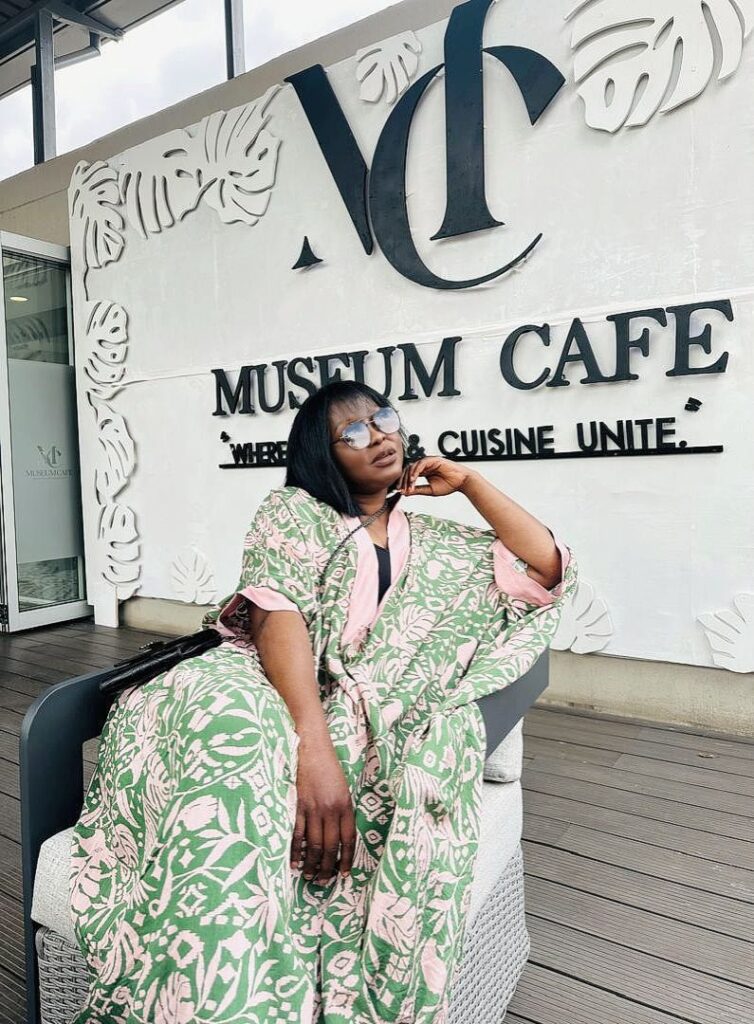

If cooking was her first escape, travel became her next step. Her early trips within Eswatini ignited a hunger for landscapes, cultures, and stories. Annual trips to Botswana to visit her father deepened her connection to new environments and broadened her curiosity.
Coupled with her previous community development work, she experienced parts of the country she had never heard of. She got to appreciate greater Eswatini which fuelled her love of exploring and opened her eyes to the country’s beauty, solidifying something deeper: “Travel helped me appreciate the landscape of this country and its diverseness. It made me realize how much there is on offer to soothe the wanderlust in me..” For Thabile, travel is less about distance and more about discovery. She can spend hours scrolling, researching, and clicking through online listings, hunting for hidden stays, even places she knows she may never visit. Her algorithm knows her well. Friends and strangers alike know her even better. They come to her for recommendations, from Cape Town to Namibia to forgotten corners of the Lowveld, because she does not just search. She curates.
The Birth of Vakasha Eswatini: How a Resolution Became a Movement
In 2020, before anyone knew the world would soon shut down, Thabile made a simple New Year’s resolution: “I want to explore this country. I want to be intentional about it. I want to explore Eswatini, KZN, and Mpumalanga..” She had visited three local places when the borders closed. The last one being Sultan Spiritual Retreat – a rustic, off-the-grid Turkish-Swazi fusion eco-lodge deep in the hills of Nkhaba, rich with Persian rugs, chandelier lighting, rondavel and grotto-style rooms with cement-slab beds. A sweet contrast of Turkish culture – Turkish bath and all – and preserved rural living with no electricity, minimal connectivity, water harvesting, and garden-to-table vegetarian meals freshly prepared on the proverbial welcome dover stove. A place she described as “an antidote to urban living, but not for everyone. I loved it.”
When lockdown came, she decided to compile her photos and experiences into a Facebook group, a space to “dump” everything she had seen and discovered, along with places for other locals to share. She named the group Vakasha Eswatini. Within a week, it had 10,000 members. Within months, it became one of the largest domestic tourism communities in Eswatini, growing beyond 160,000 before a technical spam attack triggered an automated suspension. But the impact did not stop.
If anything, Vakasha Eswatini had already not only reshaped how locals viewed their own country but also contributed positively to domestic tourism. People saw waterfalls in Emvembili that they had never known existed. Smaller lodges had a platform to promote themselves and attract local guests. Some establishments reached out, inviting her to stay, review, or advise. Her honest feedback and tourist-first perspective made her a trusted voice in an industry that had, for decades, catered mostly to foreign visitors.
Local Voices, Local Travel: Shaping Eswatini’s Domestic Tourism
Through Vakasha Eswatini, Thabile also saw firsthand that the tourism industry had never truly been built for locals. “My personal observation was that our tourism industry in general was designed to attract dollars and pounds,” she explains. “With reason. The demographics and overall local travel population size could never sustain it, thus rendering locals as the “supplementary” target audience. We were just never the main target, and this became glaring with the advent of COVID-19.”
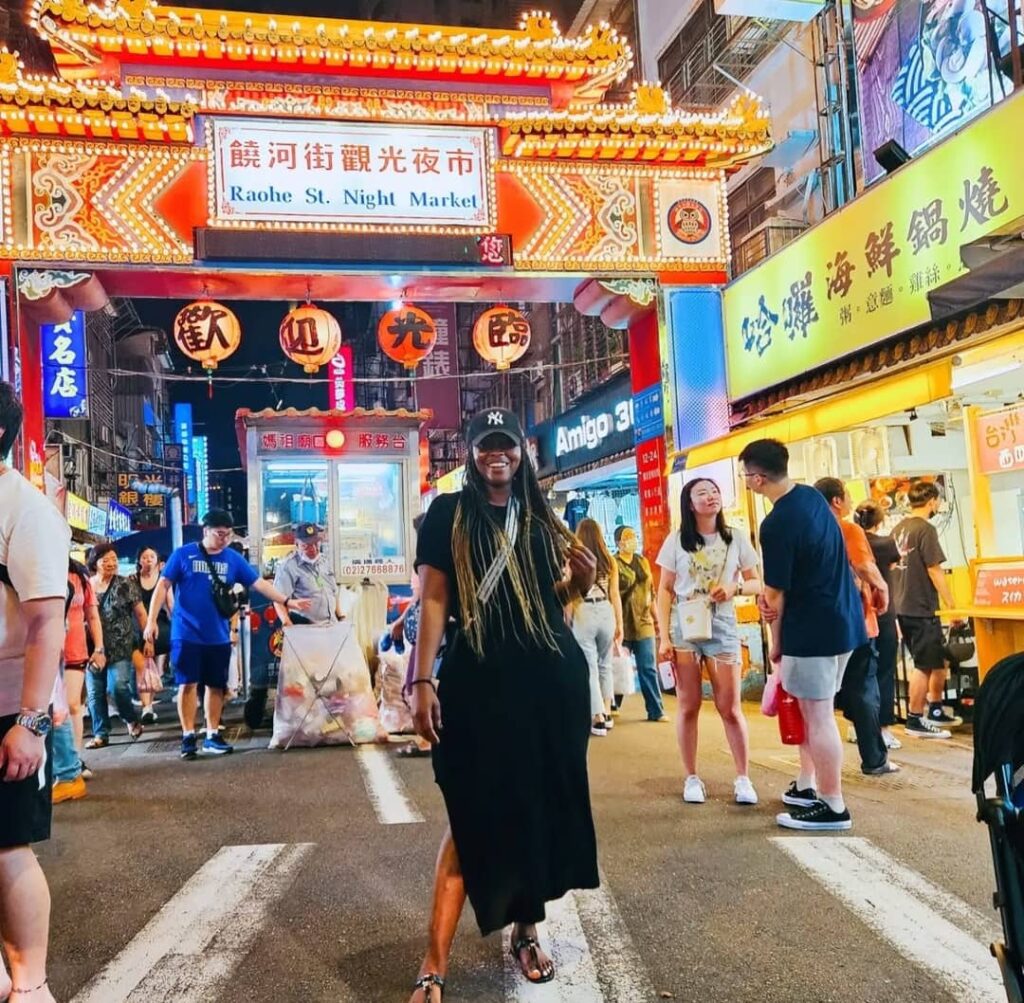
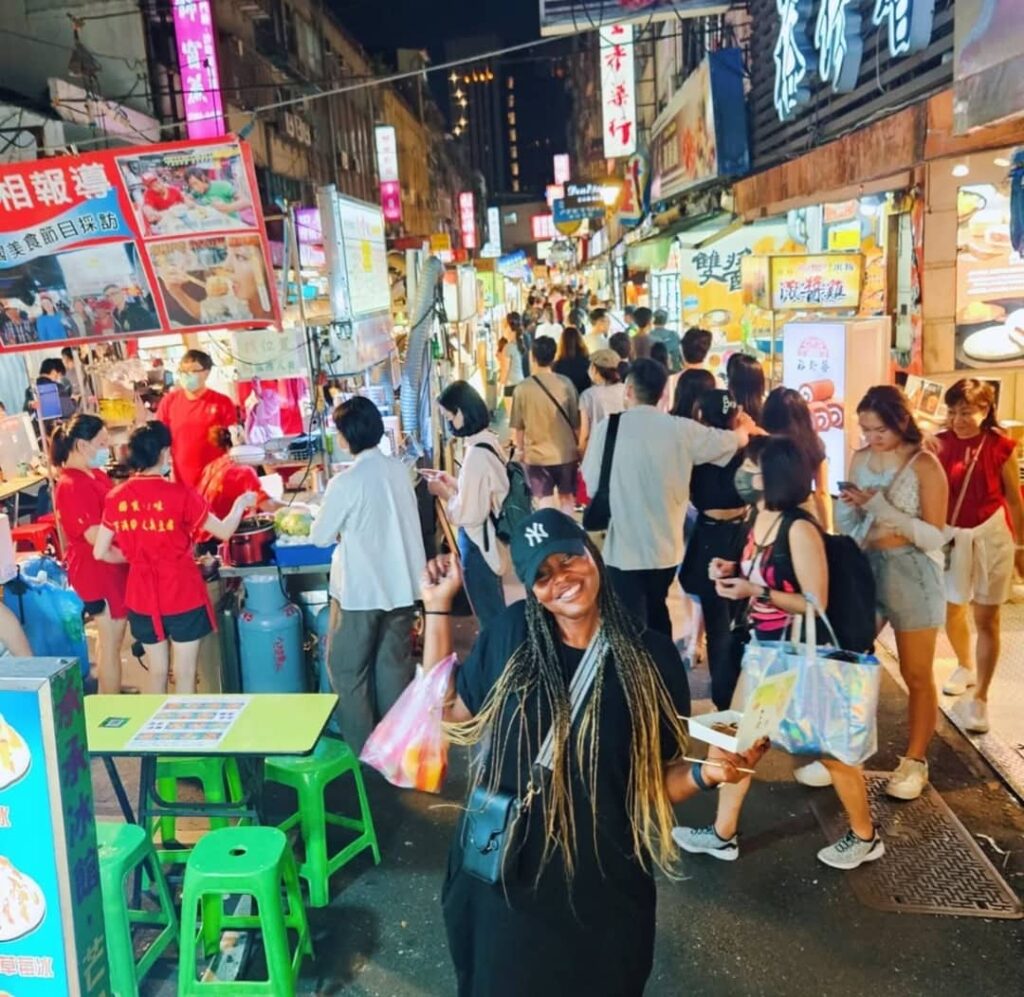
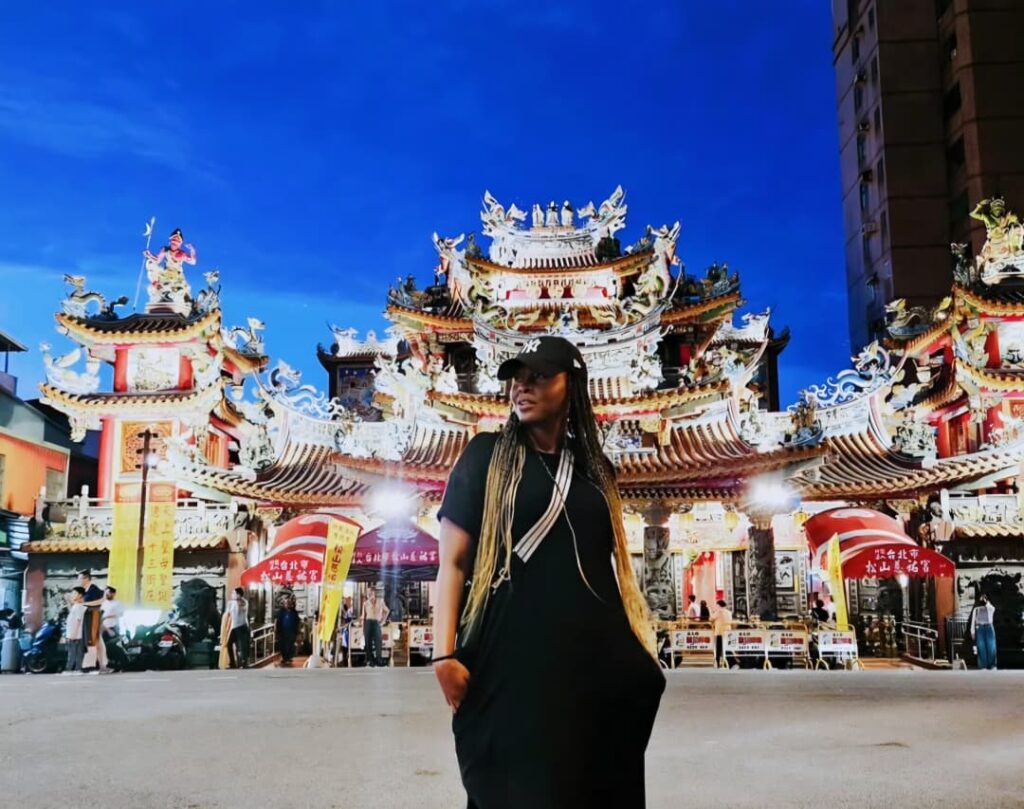
COVID-19 shattered the model. With borders closed, hotels and lodges were forced to either close – and sadly many did – or adjust to accommodate the local tourist. A painstaking process that came with a lot of learning and hand-holding from both sides. Out of it all, locals suddenly found their voice, spoke up, and actively participated in promoting and critiquing places of interest. This included the unfamiliarity with paying conservation fees and just general appreciation of the realities that come with accessing high-end establishments. Thabile became a bridge, helping travelers understand the industry slightly more and helping owners understand locals slightly more. Her approach was always positive, honest, balanced, and rooted in sincerity. Her intention was never to become an influencer. “Mine was pure-hearted and simple: to explore, experience, and share. And I believe that’s exactly why it worked,.” she adds.
Thabile Maripe’s recognition by the Eswatini Tourism Authority (ETA) in this regard and being mentioned by the Prime Minister of the day in Government’s end of year message, was the hugest flex, and the awards received a humbling cherry on top.
A Creative Guided by Heart
Whether she is sharing a hidden picnic spot, a luxury lodge, or a plate of freshly cooked food, Maripe’s creativity shines through the same way: intentional, soulful, and unpretentious. Her communications background gives her an eye for detail; her foodie heart gives her style; her travel spirit gives her the edge. But ultimately, what sets her apart is authenticity. She didn’t commission a community; she sparked one. She didn’t chase influence; she built trust. She didn’t brand herself; she shared her heart. And people followed. Because what Thabile Maripe offers isn’t just aesthetic. It is a connection.
A Dreamer Still Moving Forward
Even after Vakasha Eswatini’s Facebook suspension, her work continues on the new Vakasha Eswatini Facebook group, Instagram, TikTok, and personal platforms. The relationships with establishments still continue, and travelers still seek guidance and recommendations. Her passion still inspires. “The goodness of it didn’t die,” she says. “If I’ve helped at least one person discover a new place or one business stay open, I’m happy.” Her story reminds us that creativity isn’t always loud or calculated. Sometimes it is born quietly from healing, curiosity, and escape. And sometimes, one woman’s simple intention to explore, cook, and share can shape an entire nation’s relationship with its own beauty.