
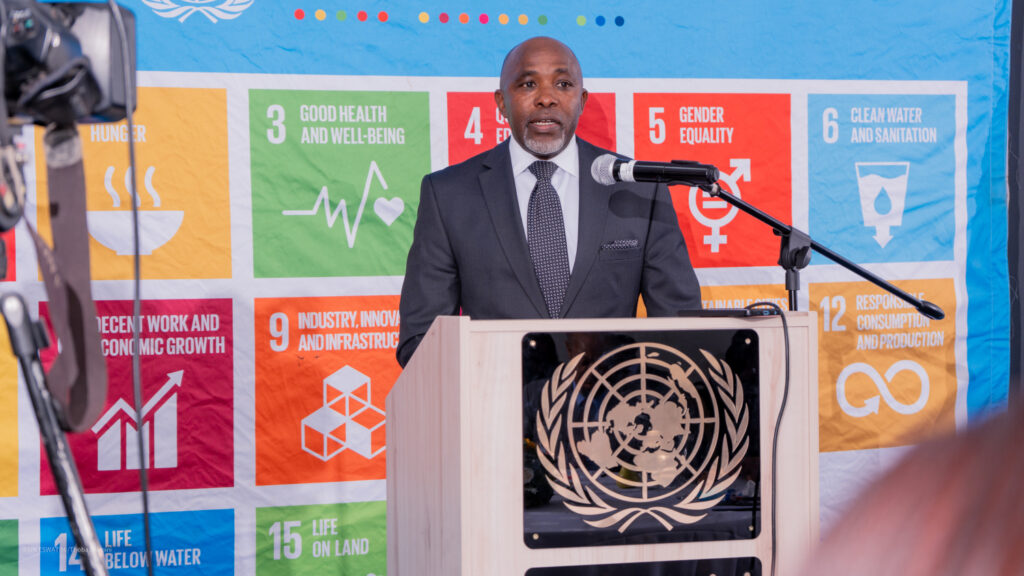
The United Nations has warned that declining global development assistance and rising economic pressures are threatening progress towards sustainable development goals, calling for stronger domestic resource mobilisation and private sector investment in Eswatini.
Speaking during the Joint Government/UN National Steering Committee meeting in Mbabane, United Nations Resident Coordinator George Wachira said countries across the world were facing tightening fiscal space, rising development needs and increasing climate-related emergencies.
“As we speak, resources are increasingly being redirected from development to security, while development assistance has all but dried up,” Wachira said.
He said the evolving financing landscape means countries like Eswatini will need to rely more on domestic financing, strategic partnerships, and catalytic investments to achieve development goals under the 2026–2030 Cooperation Framework.
The Resident Coordinator revealed that the United Nations is developing several flagship investment initiatives aligned with Government priorities, aimed at attracting co-investments from development partners, foundations and the private sector.
“These initiatives are designed to leverage partnerships and mobilise catalytic financing for national development,” he said.
Wachira stressed that domestic resource mobilisation would be critical during the final years of Agenda 2030 implementation.
He called for stronger tax systems, improved public financial management, reduced wastage and greater accountability in public spending.
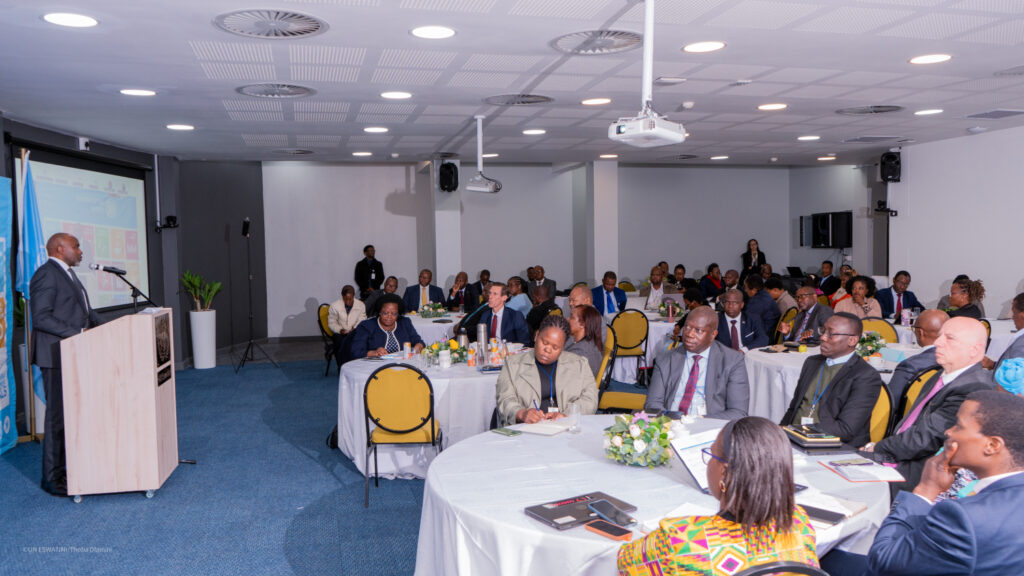
“Expanding fiscal space through efficient resource management will be essential to financing national priorities sustainably,” he said.
The UN official also highlighted the importance of private sector participation in economic development and job creation.
“The private sector must be at the centre of development financing. Sustainable growth will require increased private investment supported by a strong policy and regulatory environment,” he said.
He further noted that reliable and affordable energy would remain critical to attracting investment and stimulating economic expansion in Eswatini.