
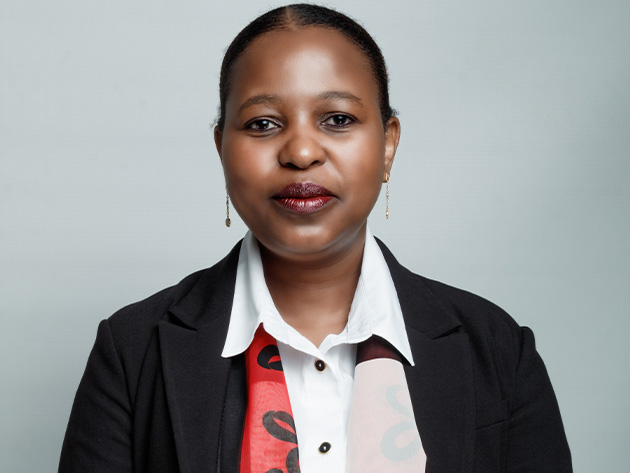
Eswatini women leaders were featured at the prestigious UAE-Africa Women Leaders Conference, where Eswatini strengthened its presence on the global platform for women empowerment, leadership, entrepreneurship, and digital transformation.
The conference, held under the patronage of Her Royal Highness Sheikha Fatima Bint Mubarak of the United Arab Emirates, brought together women leaders, policymakers, entrepreneurs, and decision-makers from across Africa and the UAE to strengthen partnerships and exchange expertise on advancing women’s participation in leadership and socio-economic development.
Leading Eswatini’s participation was the Minister of Information, Communications and Technology, Savannah Maziya, who participated virtually in her capacity as Global Chairperson of SDG 5 and led discussions under the session titled “Women Leading the Digital Transformation.”
The session focused on women’s leadership in policy and digital transformation, women’s participation in the digital economy, and the role of the ITU Women Ministers and Leaders Network in advancing inclusive digital development.
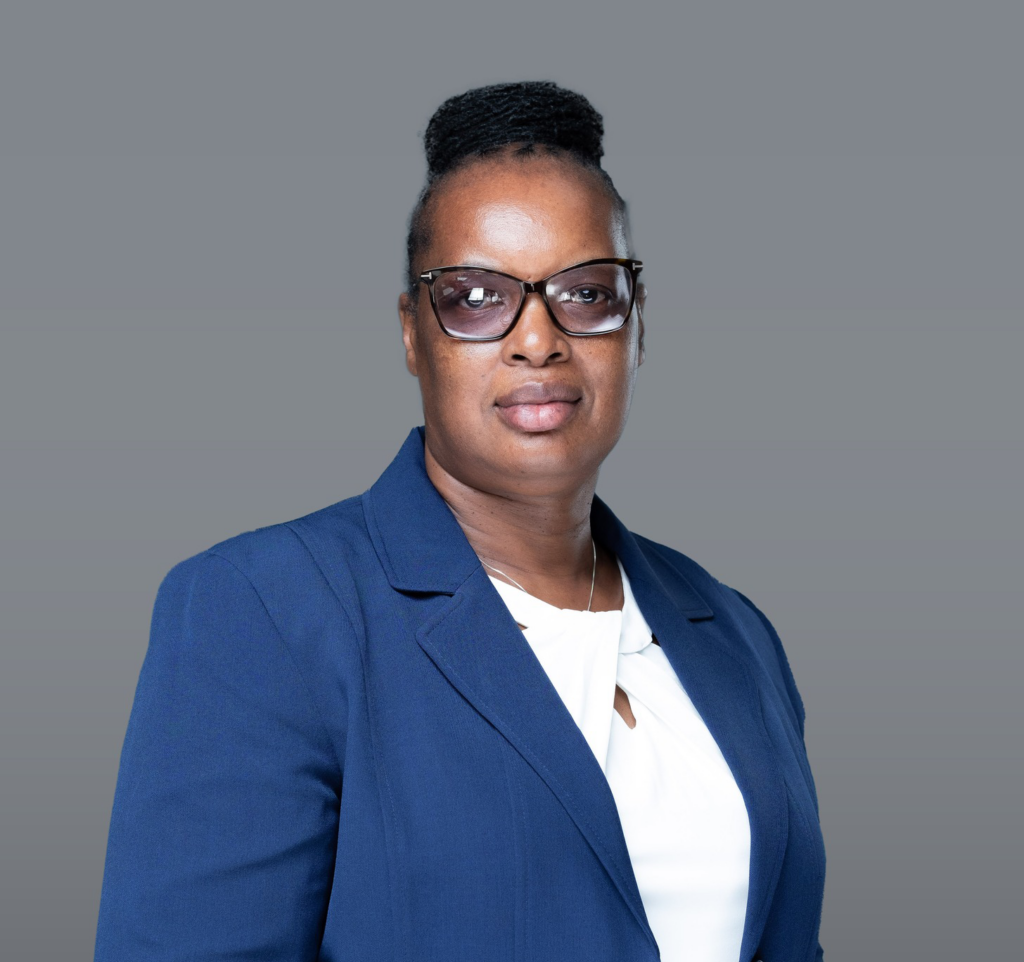
The Ministry of ICT also facilitated the participation of women leaders from Eswatini as part of the global conference discussions. Featured sessions included “Women Shaping the Future,” featuring the Deputy Governor of the Central Bank of Eswatini – Felicia Dlamini-Kunene, which explored the role of governments in strengthening women’s participation in socio-economic development and sustainability, and “Women in Entrepreneurship,” featuring Small Enterprise Development Company (SEDCO) CEO – Khethiwe Mhlanga, focusing on women entrepreneurs’ success stories, UAE-Africa investment opportunities, and business partnerships.
Reflecting on Eswatini’s participation at the conference, Maziya described the opportunity as significant for both the country and women leaders across Africa. She further highlighted Eswatini’s pursuit towards ensuring digital inclusion through the national digital transformation agenda.
“Eswatini recognises that digital transformation must be measured not only by connectivity statistics, but by the extent to which it improves the lives of people in underserved and marginalised communities, particularly women and girls in rural areas,” said Maziya.