
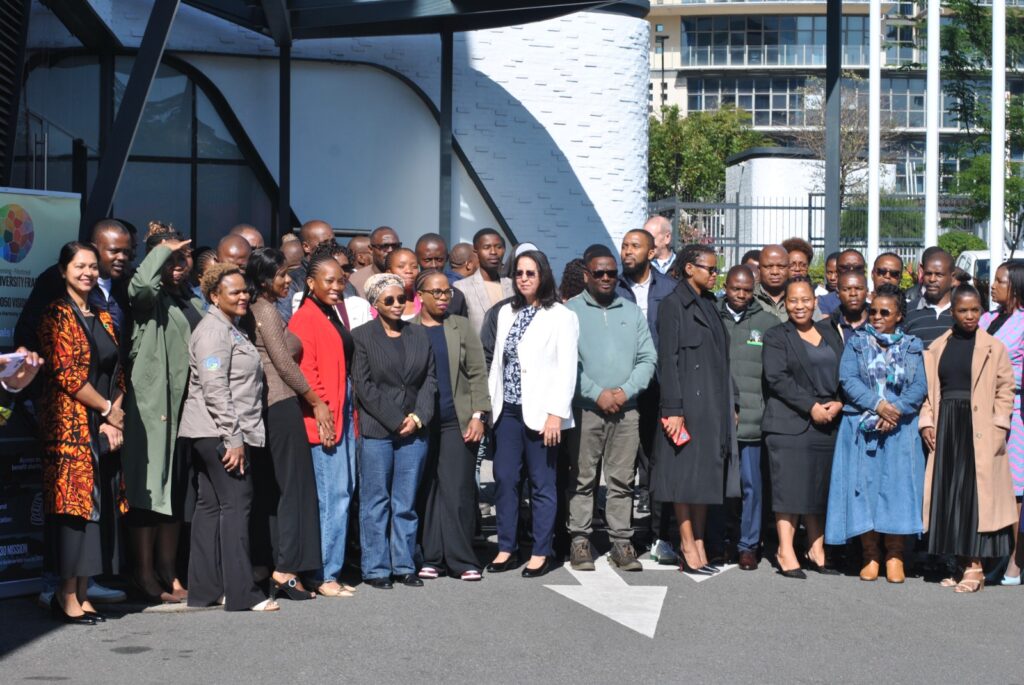
Eswatini Government has called for stronger gender inclusion in biodiversity conservation efforts, warning that unequal access to natural resources and decision-making continues to limit the effectiveness of environmental management in the kingdom.
Speaking during the Consultative Workshop on Gender Priorities for the Biodiversity Sector held at the Hilton Garden Inn Mbabane on Friday, Acting Principal Secretary in the Ministry of Tourism and Environmental Affairs, Duduzile Nhlengethwa-Masina, said biodiversity governance must become more inclusive and responsive to the needs of women, youth and vulnerable groups.
Addressing government representatives, civil society organisations, academia, private sector stakeholders and community leaders, Nhlengethwa-Masina said biodiversity remains central to Eswatini’s sustainable development agenda as it supports livelihoods, food security, climate resilience and the country’s cultural heritage.
However, she noted that environmental challenges continue to affect different groups unevenly, with existing gender inequalities still evident within the biodiversity sector.
“Issues relating to access to natural resources, participation in decision-making, leadership opportunities, and benefit sharing continue to reflect existing gender inequalities within the biodiversity sector,” she said.
The workshop was convened by the Eswatini National Trust Commission as part of ongoing efforts to strengthen gender-responsive biodiversity conservation and governance in the country.
Nhlengethwa-Masina welcomed progress made through the development of a Gender Situational Analysis and the draft Gender Plan of Action for the biodiversity sector, describing the initiatives as an important step towards ensuring conservation efforts are both environmentally sustainable and socially equitable.
She said the processes provide an opportunity for stakeholders to identify practical approaches for mainstreaming gender considerations across policies, programmes, institutional structures and reporting systems.
“The consultative nature of this workshop is particularly important, as meaningful and sustainable solutions can only be achieved through inclusive participation and collaboration,” she said.
The Acting PS urged participants to actively contribute towards shaping gender priorities that respond to realities faced by communities and institutions involved in biodiversity management.
She said the outcomes of the engagement should help guide actionable interventions aimed at promoting equitable participation, strengthening governance systems and improving the effectiveness of biodiversity conservation efforts across Eswatini.



Nhlengethwa-Masina further reaffirmed government’s commitment to advancing gender equality and environmental sustainability through inclusive development initiatives.
She said strengthening gender responsiveness in biodiversity management is not only a national priority but also contributes towards regional and international commitments related to biodiversity conservation and sustainable development.
The workshop brought together representatives from government ministries, civil society organisations, community structures, the private sector and the media to deliberate on key gender challenges and opportunities within the biodiversity sector.
Organisers are expected to use recommendations emerging from the engagement to refine and strengthen the Gender Plan of Action before implementation.
Nhlengethwa-Masina further commended the Eswatini National Trust Commission and its partners for organising the workshop, expressing confidence that the discussions would contribute meaningfully towards advancing gender mainstreaming in biodiversity conservation.