
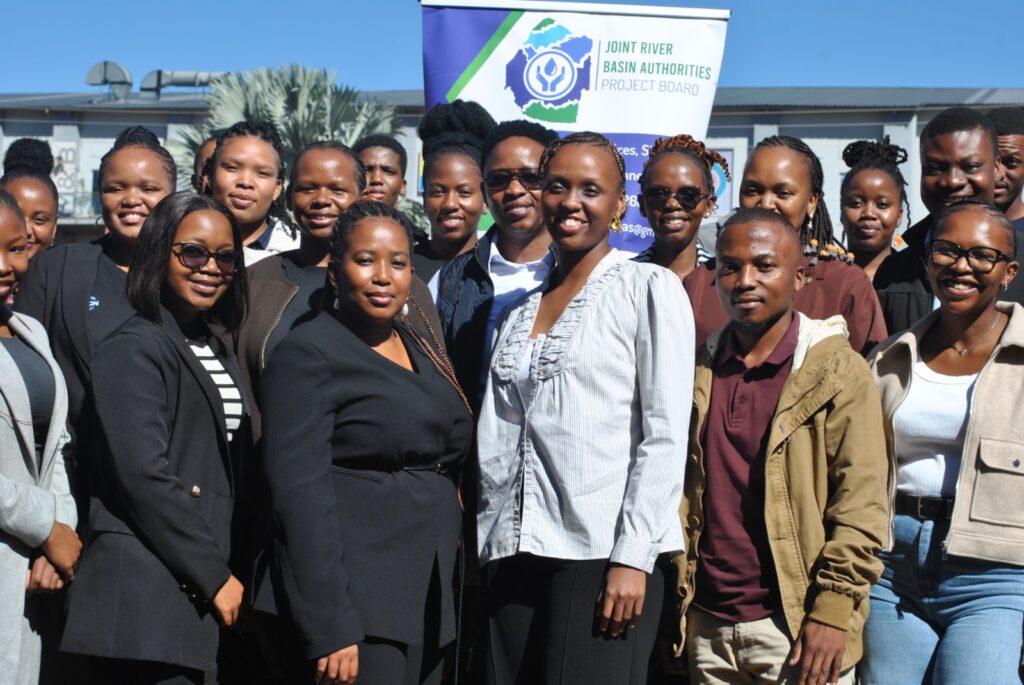
Young people are set to play a bigger role in shaping Eswatini’s water governance and environmental future following the successful completion of a national stakeholder workshop aimed at co-developing and validating the Eswatini Youth in Water Initiative (EYIW) Strategic Roadmap for 2026–2028.
The two-day workshop, organised by the Joint River Basins Authorities- Project Board (JRBA-PB) in partnership with the International Union for the Conservation of Nature (IUCN), brought together government representatives, youth organisations, environmental practitioners, community groups, development partners, students and water sector stakeholders to chart the future direction of the youth-led initiative.
The engagement marked a major milestone for EYIW, which was established in 2023 in response to the limited participation of young people in formal water governance and environmental management processes in Eswatini.
Participants used the workshop to review, refine, and validate the initiative’s strategic priorities, implementation framework, and governance structures, while also identifying practical approaches to strengthen youth participation in the water sector.
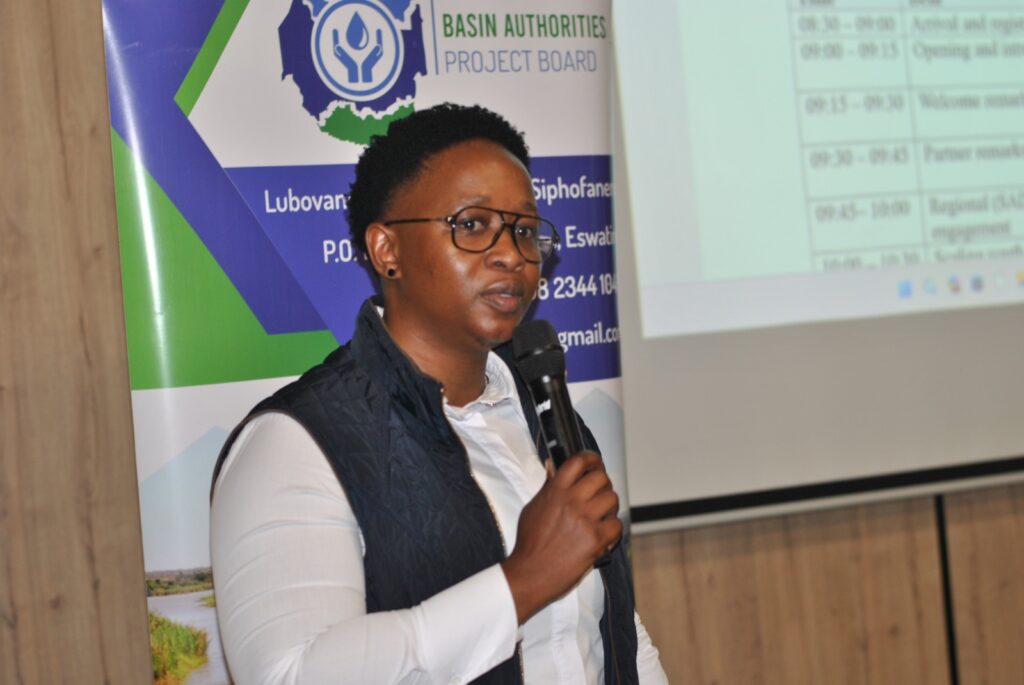
Speaking during the workshop, facilitators highlighted that the initiative recognises young people not merely as beneficiaries of environmental protection programmes, but as critical drivers of innovation, climate resilience and sustainable development.
Since its formation, EYIW has evolved into a growing youth-led community of practice that brings together rural and urban youth, community-based organisations, students, early-career professionals and young practitioners committed to advancing water security and environmental sustainability across the country.
The initiative seeks to create opportunities for young people to actively participate in water-related programmes, projects and policy discussions while strengthening collaboration between youth and established institutions in the sector.
Stakeholders at the workshop stressed the importance of ensuring that youth voices are integrated into institutional planning and decision-making processes, particularly as climate change and water scarcity continue to pose growing challenges globally and regionally.
Discussions during the workshop focused on strengthening national ownership of the initiative and ensuring that the roadmap aligns with Eswatini’s broader development priorities and environmental commitments.
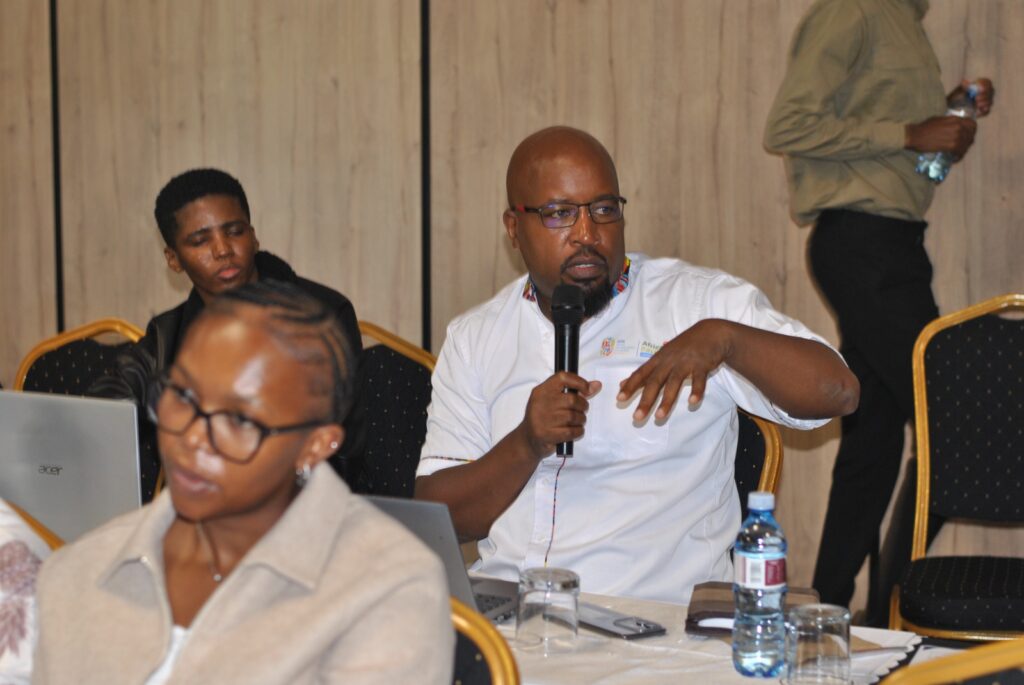
Participants also contributed towards the proposed establishment of an EYIW Advisory Platform, which is expected to guide implementation, coordination and stakeholder collaboration over the next three years.
The workshop created space for inclusive dialogue and group engagements where stakeholders examined key programme areas, governance arrangements, partnership opportunities and sustainability mechanisms needed to support the successful operationalisation of the initiative.
Among the major outcomes of the workshop was the validation and finalisation of the EYIW Strategic Roadmap (2026–2028), which will now serve as the guiding framework for the initiative’s activities and growth.
Stakeholders also agreed on clearer roles and responsibilities aimed at strengthening accountability, coordination, and collaboration among institutions supporting youth participation in the water and environmental sectors.
Organisers noted that the consultative process was essential in building institutional credibility and ensuring that the proposed interventions are realistic, coordinated and responsive to the needs of the sector.
The workshop further reinforced the importance of partnerships between young people, government institutions, civil society organisations, and development partners in addressing water security and environmental challenges.
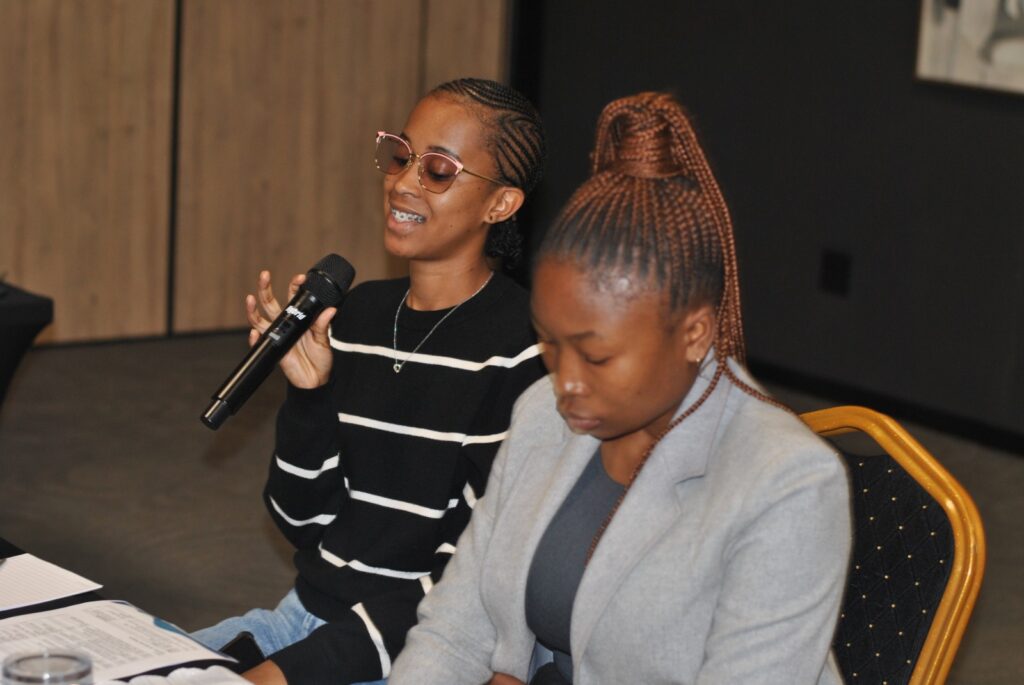
Participants expressed optimism that the roadmap will help position young people at the centre of national conversations on sustainable water management, climate adaptation and environmental stewardship.
As the initiative transitions from its establishment phase into full implementation, stakeholders emphasised the need for continued engagement, resource mobilisation, and mentorship to empower youth to contribute meaningfully to national development.
The validated roadmap is expected to guide EYIW’s programmes and activities from 2026 to 2028, while providing a structured platform for youth-led action, innovation and collaboration within Eswatini’s water sector.