
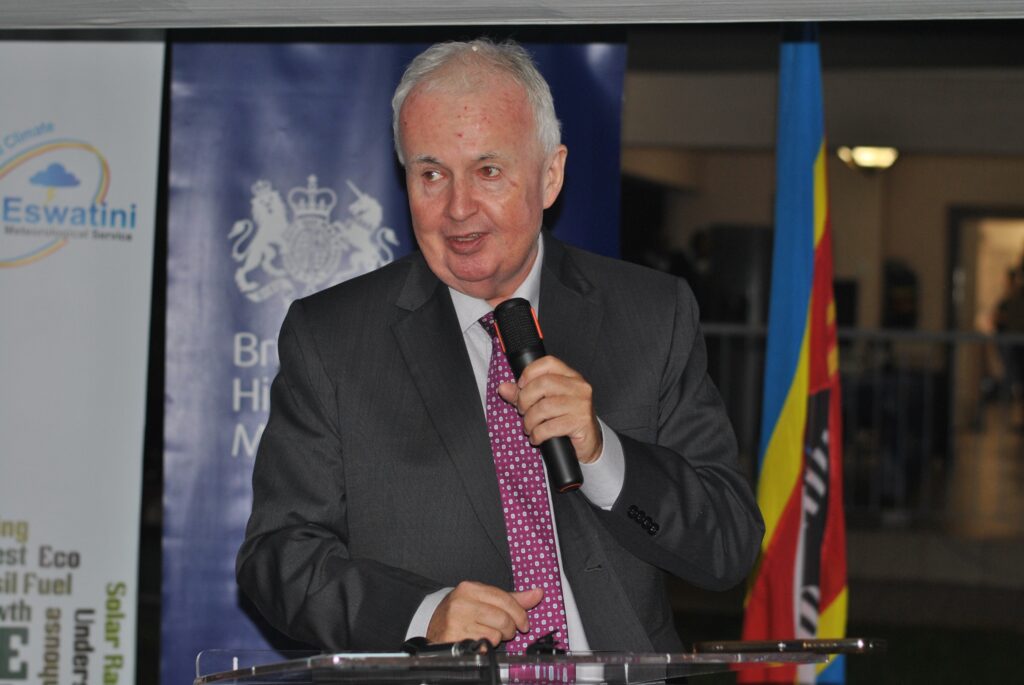
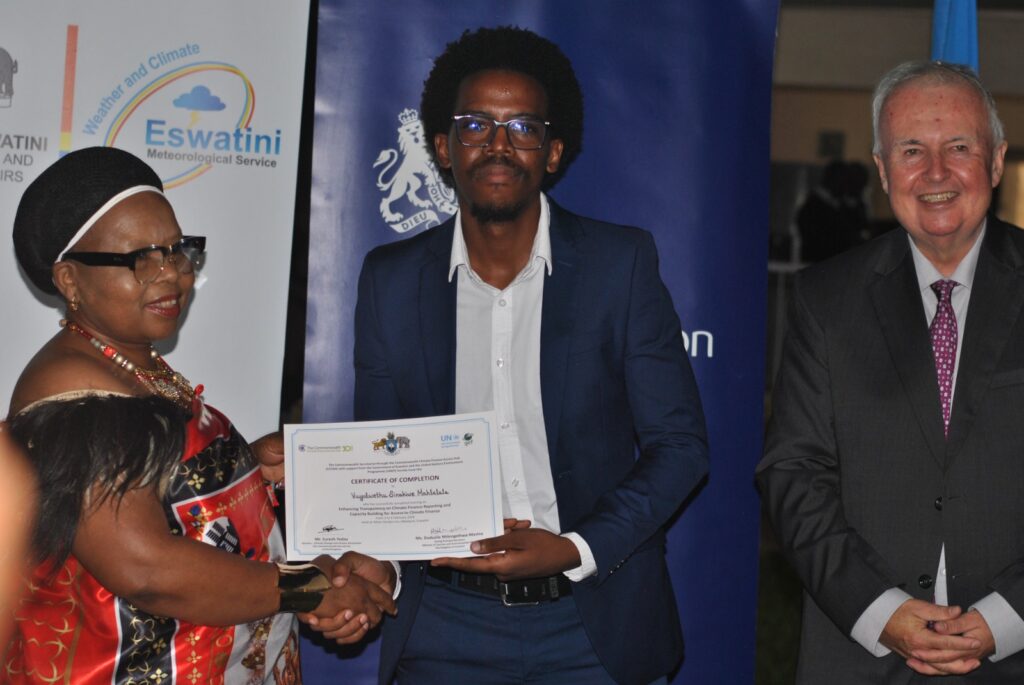
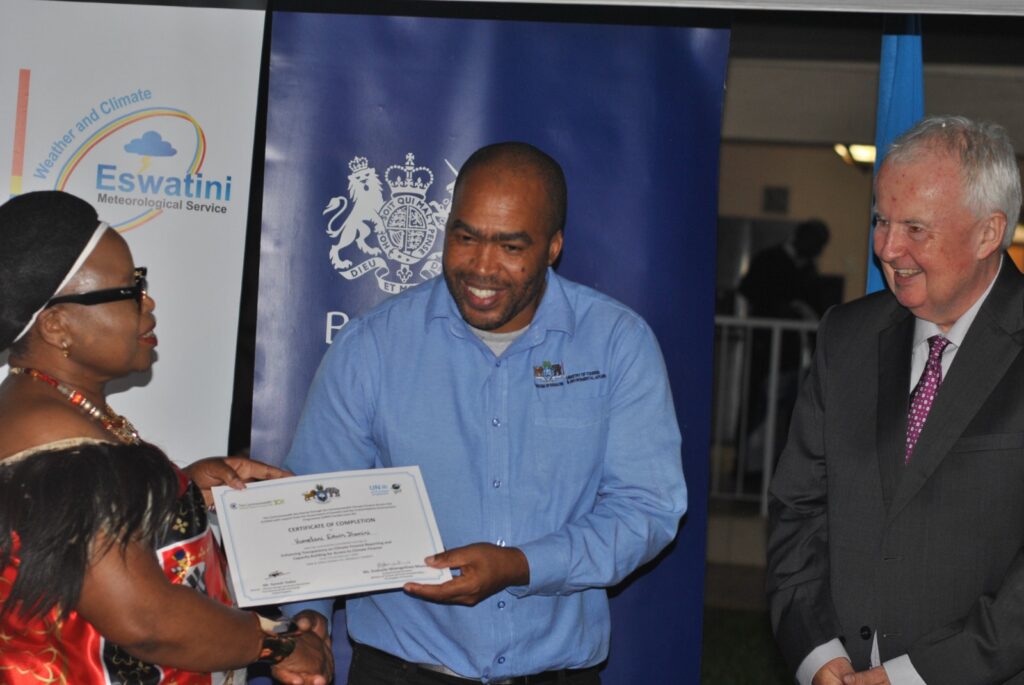
British High Commissioner Colin Wells has called for an immediate shift from climate theory to strategic action, urging 47 newly graduated Eswatini professionals to lead the nation’s charge in securing international climate finance.
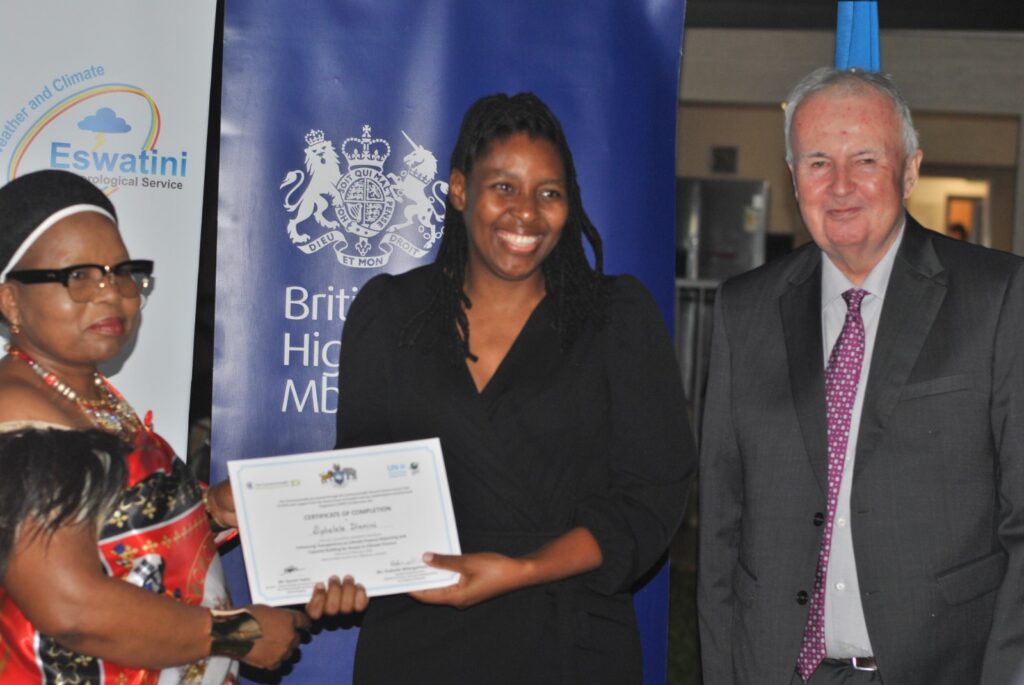
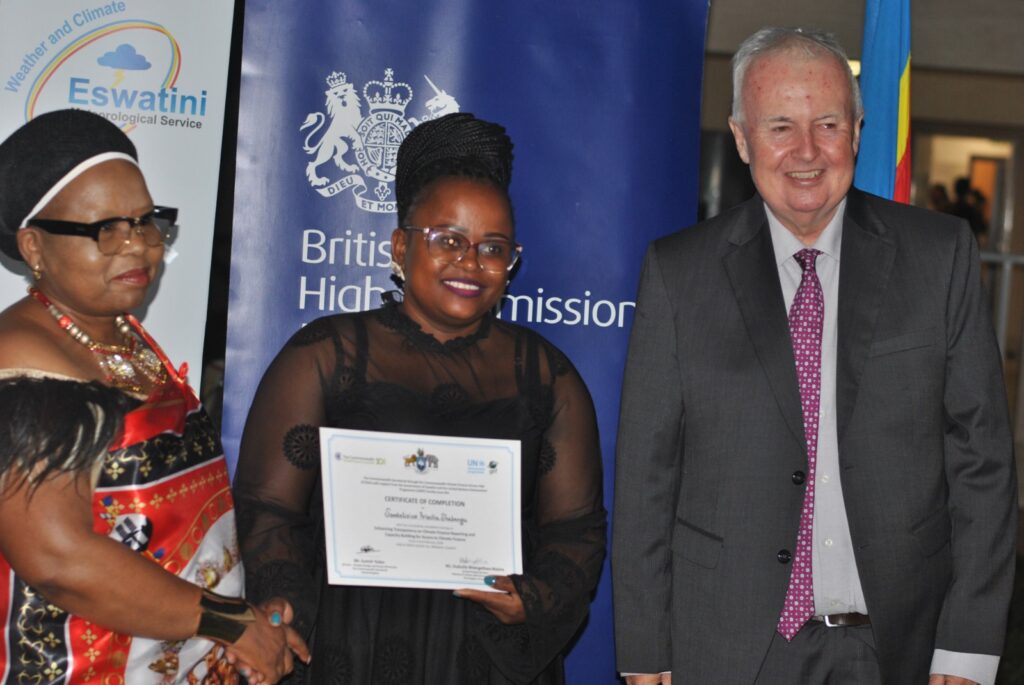
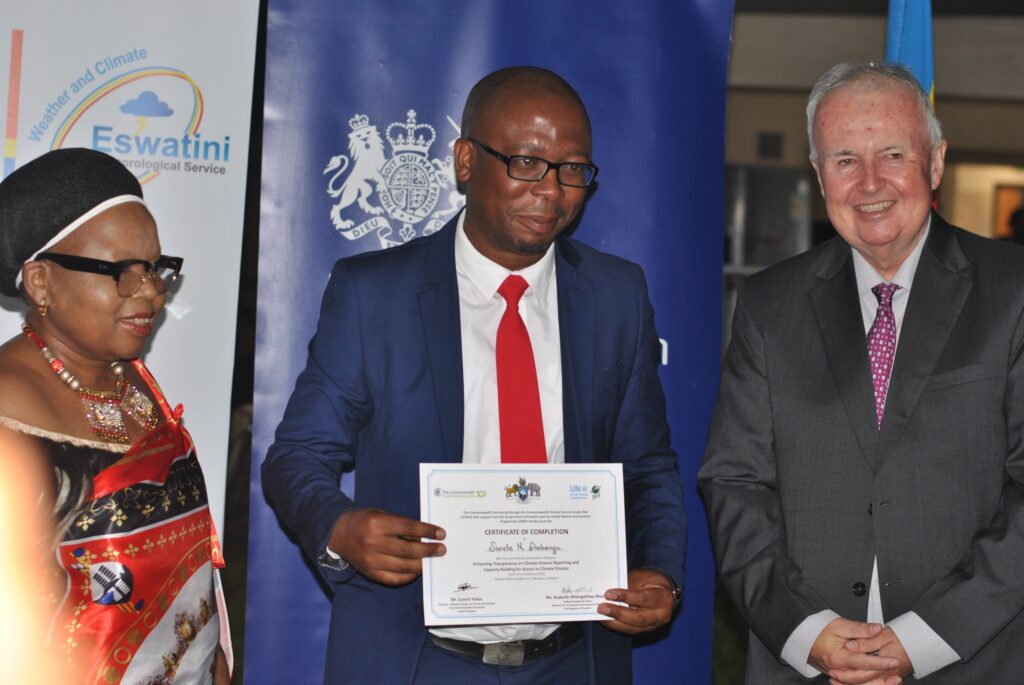
Speaking at the award ceremony at his residence in Ezulwini on Friday, Wells emphasized that these graduates, who recently completed a Commonwealth climate workshop, are now the primary link between Eswatini’s environmental goals and the global funding required to achieve them.
Addressing guests, including government officials and development partners, Wells described the United Kingdom and the Kingdom of Eswatini’s bilateral relationship as one rooted in mutual respect, shared values, and a common commitment to sustainable development.
He reaffirmed the UK’s role as a supportive partner in diplomacy, environmental protection, and national development efforts, noting that collaboration between the two countries continues to deliver tangible benefits for citizens.
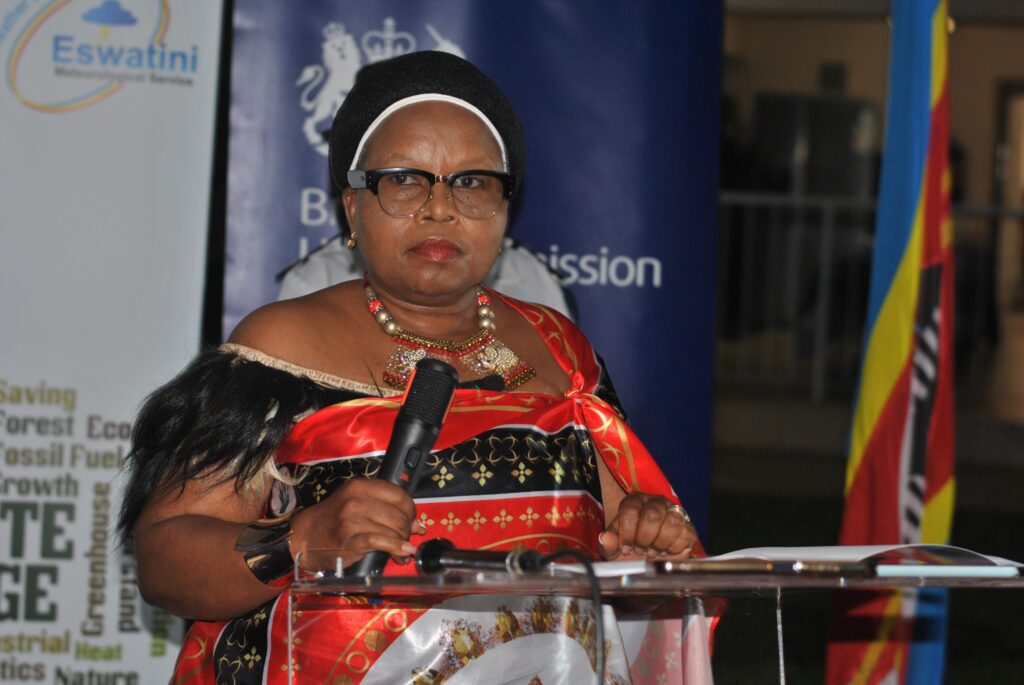

The High Commissioner highlighted the importance of the Commonwealth as a platform for cooperation, emphasizing its role in strengthening institutions and enabling knowledge exchange among member states.
He pointed out that Eswatini has remained an active member since independence in 1968, with His Majesty King Mswati III regularly attending Commonwealth Heads of Government Meetings, fostering continued ties with King Charles III.
Wells explained that the workshop held earlier this year brought together over 50 participants to build critical skills in transparency, reporting, and climate finance proposal development.
These competencies, he said, are essential in helping countries translate ideas into funded climate action projects. The training, supported through Commonwealth partnerships and international cooperation, reflects a broader commitment to equipping nations like Eswatini to access climate finance and implement impactful environmental initiatives.
Congratulating the 47 graduates, Wells commended their dedication and described their achievement as a significant step toward strengthening the country’s climate resilience.
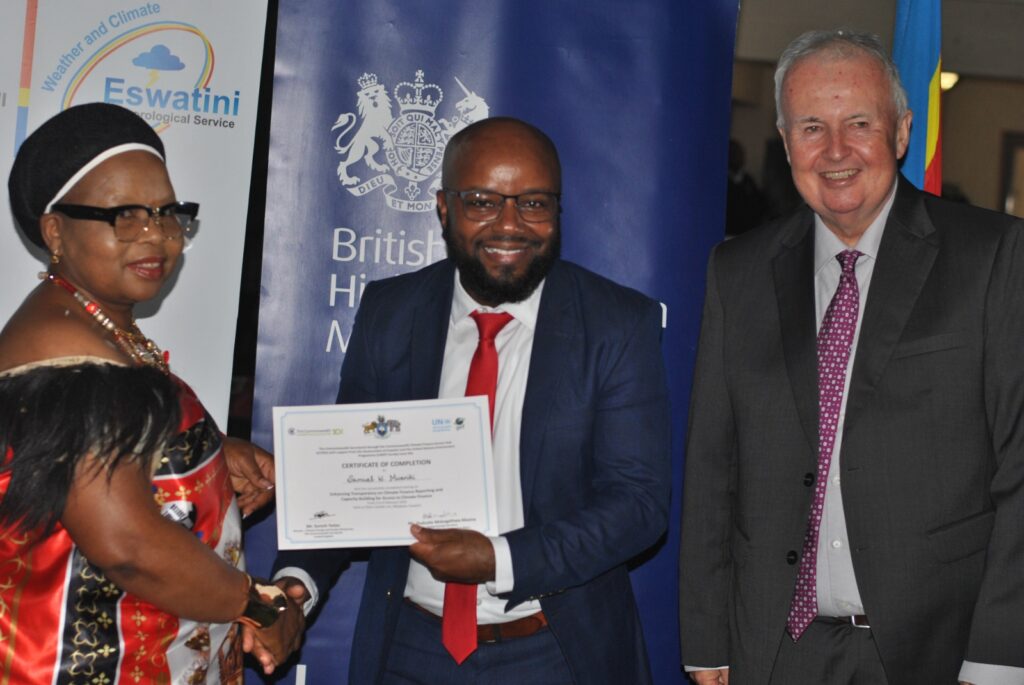
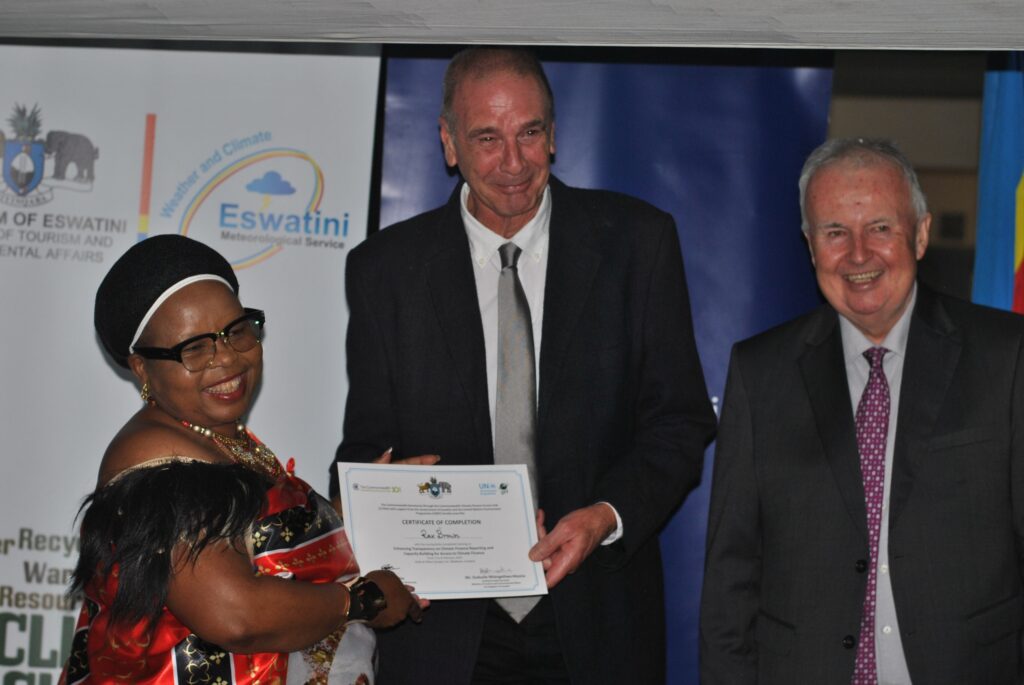
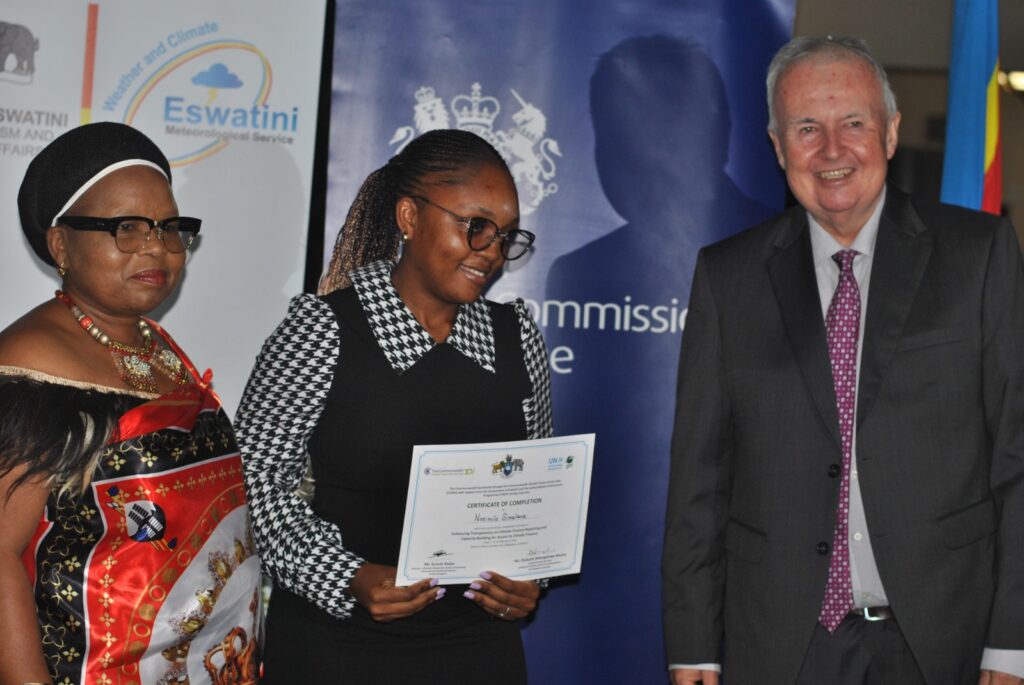
He stressed that climate action is no longer optional but a necessity, requiring well-prepared proposals and transparent systems to unlock funding and drive meaningful change.
“Transparent reporting and strong proposals are the bridge between good ideas and funded projects,” he noted, adding that the knowledge gained through the programme would enhance Eswatini’s ability to reduce vulnerability, protect ecosystems, and promote sustainable growth.
He concluded by thanking key partners, including the Ministry of Tourism and Environmental Affairs, the Commonwealth Secretariat, and the United Nations Environment Programme, for their collaboration.
Wells called on all stakeholders to build on the momentum created by the workshop, urging graduates to turn their knowledge into action and inspire broader climate solutions across the country.