
The Eswatini Standards Authority (ESWASA) and the South African Bureau of Standards (SABS) have signed a Memorandum of Understanding (MoU) to improve quality standards, boost industrial capacity, and open export opportunities for local businesses.
The agreement is expected to be key in helping Eswatini’s products compete effectively in regional and global markets. It brings together two institutions at different levels of development.
With over 80 years of experience, SABS is one of the most established standards organizations on the continent, while ESWASA, founded in 2007, is still developing its institutional capacity.
The newly signed MoU is expected to close this gap, allowing Eswatini to leverage South Africa’s expertise to speed up standards development and enhance industrial competitiveness.
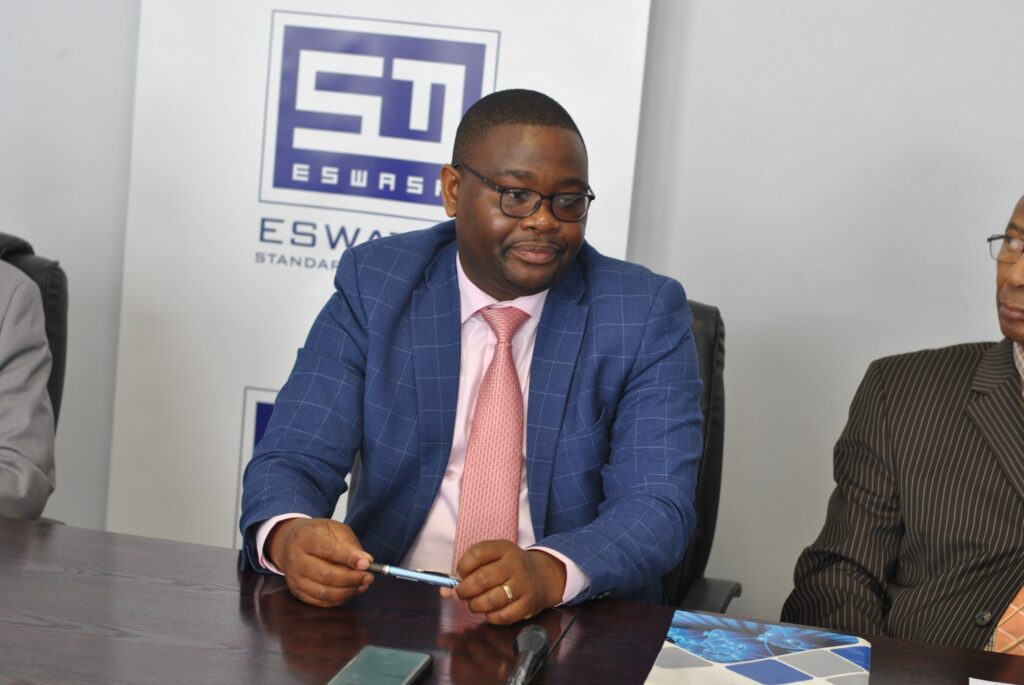
ESWASA Executive Director, Ncamiso Mhlanga, described the MoU as a strategic milestone that will deepen collaboration between the two “sister organizations” and enable Eswatini to leverage South Africa’s extensive experience in standards development and quality assurance.
“This is a very important MoU that will shape our future collaboration as institutions,” Mhlanga said. “It will allow us to leverage their extensive experience and ensure that we can work together effectively.”
At the heart of the agreement is a shared commitment to enhance the quality of goods traded between the two nations and to tackle long-standing structural barriers that have restricted Eswatini’s export potential.
One of the main focus areas is capacity building, with the two institutions planning to implement joint training programs designed to equip local industries, especially those in Matsapha, with advanced skills in quality management and standards compliance.
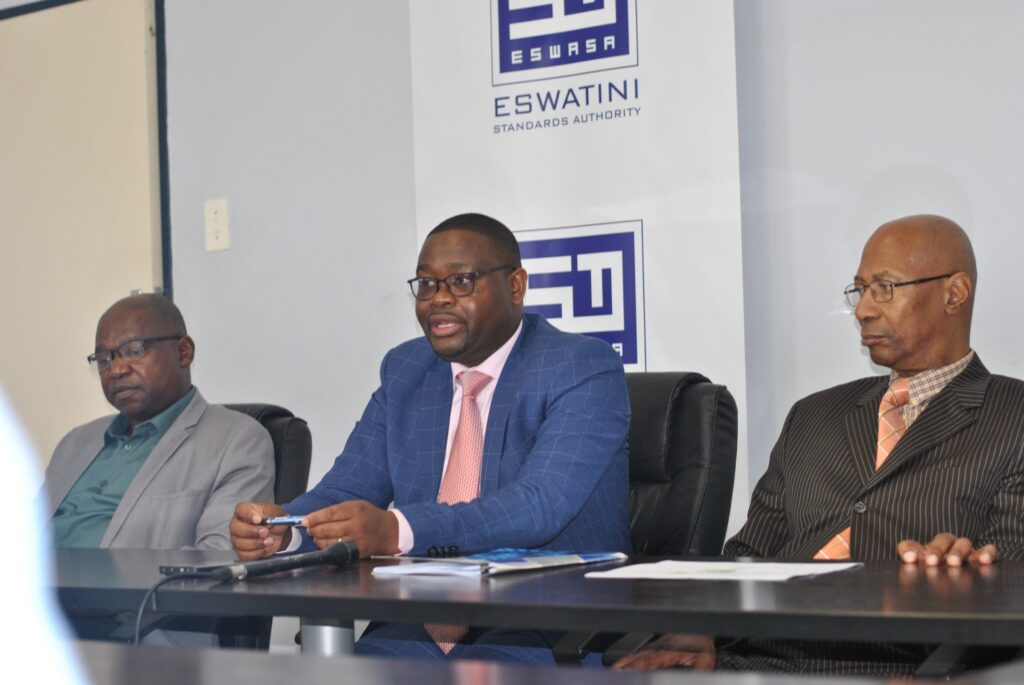
Mhlanga noted that many local firms require technical support to meet international benchmarks, adding that the partnership will facilitate high-level training to drive industrial growth.
Addressing the lack of accredited testing laboratories
The MoU also tackles a critical gap in Eswatini’s industrial ecosystem: the lack of accredited testing laboratories. Currently, many businesses, especially small and medium enterprises (SMEs), face delays in certifying their products for export due to limited local testing facilities.
“For industry to grow and for us to develop an export-driven economy, we need testing infrastructure,” Mhlanga said. “This partnership allows us to collaborate with accredited laboratories in South Africa to ensure our products are tested efficiently and meet necessary standards.”
Delays in product testing are a significant bottleneck for SMEs trying to enter international markets, often leading to missed opportunities and higher costs of doing business.
Beyond infrastructure and training, the MoU also helps Eswatini better align with global standards systems. Mhlanga noted that standards development is increasingly moving from national frameworks to international platforms like the International Organization for Standardization (ISO) and the International Electrotechnical Commission (IEC).
Through the partnership, ESWASA will receive mentorship and technical support to participate effectively in these global bodies, ensuring that local standards align with international benchmarks.
“We are part of a global standards community, and we must understand how to navigate it,” Mhlanga said. “This will help our SMEs adopt internationally recognized standards and improve their competitiveness.”
The agreement further enables Eswatini to access South Africa’s extensive repository of over 20,000 established standards, compared with Eswatini’s current base of just over 500. This is expected to significantly accelerate standards development without duplicating existing work.
“We do not need to reinvent the wheel,” Mhlanga added. “We can build on what has already been developed and adapt it to our local context.”
Seven months journey
On the South African side, Acting CEO of SABS, Blake Mosley- Lefatola, emphasized that the MoU is not merely symbolic but backed by a concrete implementation plan designed to deliver measurable impact.
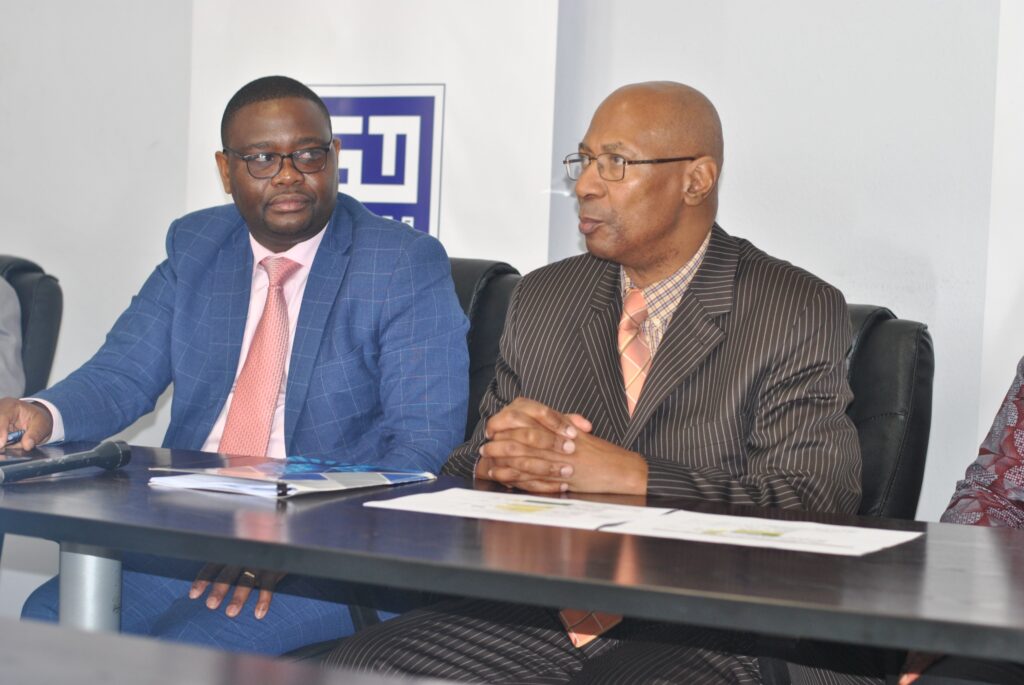
“This is a journey that started about seven months ago, and we are pleased with the progress made,” Lefatola said. “More importantly, we have developed an implementation plan to ensure that the areas of cooperation become a living reality.”
He noted that dedicated technical committees have already been established to oversee execution, with a six-month review timeline set to assess progress.
He stressed that the partnership is intended to benefit businesses across Eswatini, particularly SMEs, by improving access to standards, certification processes, and best practices.
“The intention is to make sure that enterprises in Eswatini truly gain from this MoU,” he said. “We want to see real impact on industry and society.”
The agreement will run for an initial period of three years, after which both parties will evaluate its effectiveness and consider renewal based on the outcomes achieved. Importantly, both institutions underscored that the partnership will be mutually beneficial, with knowledge and best practices flowing in both directions.
“Even though we have over 80 years of experience, it does not mean we know everything,” Lefatola said. “We believe this collaboration will also enrich us through shared learning.”