
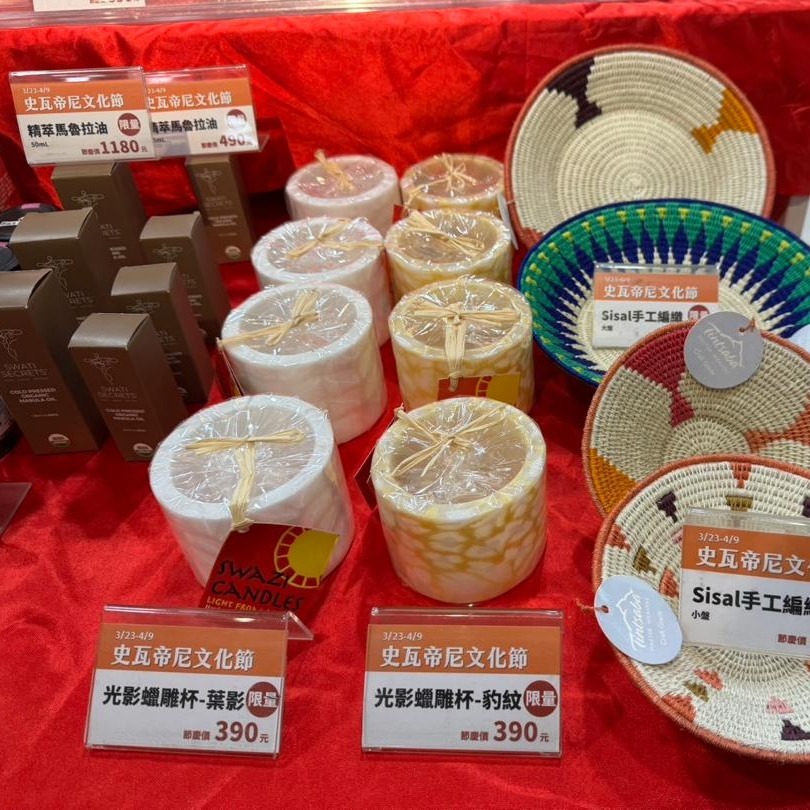
Eswatini Investment Promotion Authority (EIPA) has marked a significant milestone in the country’s export growth, with locally produced goods valued at nearly E2 million successfully exported to Taiwan during the Eswatini Cultural Festival.
The exports featured products from leading local brands, including Black Mamba Foods, Tintsaba, Swazi Candles, Swati Secrets and Baobab Batik, showcasing the country’s rich cultural heritage and growing commercial potential.
EIPA said the achievement reflects increasing international demand for Eswatini products and highlights the benefits of strengthened economic ties between Eswatini and Taiwan. The authority played a key role in facilitating the participation of local producers, artisans and agribusinesses in the festival, providing them with access to a high-impact global platform.
The exhibition displayed a wide range of products, from traditional crafts such as grass weaving and batik to organically certified agricultural goods, underscoring the authenticity and export readiness of Eswatini industries.
A major driver behind this success is the Economic Cooperation Agreement (ECA) between the two countries, which covers nearly 200 product lines. The agreement offers preferential market access, boosting the competitiveness of Eswatini goods in Taiwan and laying a strong foundation for sustained trade growth.
The festival, attended by Lin Chia-lung, Taiwan’s Minister of Foreign Affairs, also saw the announcement of the Prosperity Economic and Trade Office, an initiative aimed at strengthening collaboration between government and the private sector. EIPA views this as a key step toward unlocking further trade and investment opportunities.
Looking ahead, EIPA is supporting local companies to participate in the Designed Giftionery Taipei 2026 in April, a move expected to expand market exposure and strengthen links with international buyers.
EIPA Executive Manager for Trade Promotion, Sibusiso Mnisi, said the export milestone demonstrates that Eswatini products can compete globally.
“Through strategic facilitation, strong bilateral agreements and targeted market access initiatives, we are creating real opportunities for Eswatini businesses to grow, scale and enter international markets,” he said.