

The European Union (EU) and International Trade Centre (ITC) in partnership with the Government of Eswatini through the Ministry of Agriculture are set to convene a national Feedlot Indaba on 25-26 March 2026 at The George Hotel in Manzini, bringing together stakeholders across the livestock value chain to strengthen the resilience and competitiveness of Micro, Small and Medium Enterprises (MSMEs) in the feedlot sector.
The two-day dialogue platform forms part of the Eswatini Livestock Value Chain Development Programme (ELVCDP), implemented by the ITC with support from the EU. It forms part of the broader “Eswatini: Promoting growth through competitive alliances” programme. The initiative aims to unlock competitiveness constraints in the livestock sector, strengthen value chain partnerships, and support inclusive economic growth in Eswatini.
Held under the theme “Building Resilient and Competitive MSMEs in the Feedlot Sector,” the Indaba will convene feedlot operators, livestock farmers, feed millers, processors, financial institutions, researchers, and policymakers to address key challenges affecting the industry.
The discussions will focus on practical solutions to sector challenges including high feed costs, limited availability of feeder stock, access to finance, and disease outbreaks such as Foot-and-Mouth Disease (FMD), which have disrupted market access and weakened the growth potential of feedlot enterprises.
The Minister of Agriculture, Mandla Tshawuka, who is expected to officially open the Indaba, highlighted the importance of strengthening the feedlot sector as part of Eswatini’s broader agricultural transformation agenda.
“The livestock sector remains a key driver of rural livelihoods, food security, and economic development. The Feedlot Indaba provides an important platform to bring together farmers, industry stakeholders, and policymakers to develop practical solutions that will strengthen the resilience and competitiveness of our feedlot sector,” he said.
The EU emphasised the importance of partnerships that support inclusive growth and strengthen agricultural value chains.
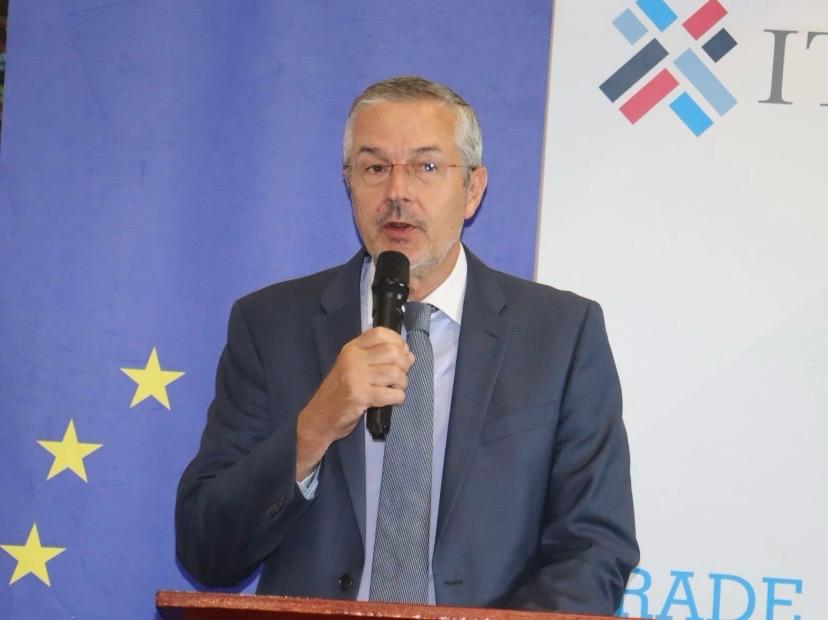
“The EU is proud to support initiatives that empower farmers and agribusinesses to grow and compete in regional and international markets. By strengthening livestock value chains and supporting MSMEs in the feedlot sector, we are contributing to sustainable economic development, job creation, and improved food security in Eswatini,” said EU Ambassador to Eswatini, Karsten Mecklenburg.
The ITC highlighted the importance of collaboration across the livestock ecosystem to unlock the full potential of the sector.
“The Feedlot Indaba creates a valuable opportunity for dialogue and partnership across the livestock value chain. By bringing together farmers, financial institutions, researchers, and policymakers, we can collectively identify solutions that strengthen MSME competitiveness and unlock growth opportunities for the livestock sector in Eswatini,” said an ITC Livestock Expert.

Over the two days, participants will engage in panel discussions, technical sessions, and breakout working groups focusing on key themes such as:
• Sustainable feed and nutrition systems
• Improving feeder stock supply and breeding systems
• Access to finance and innovative financing models
• Market access, meat grading, and quality standards
• Biosecurity and disease resilience
The Indaba will also showcase successful feedlot enterprises that have demonstrated resilience and innovation despite sector challenges, providing practical lessons for farmers and agribusinesses.
The event is expected to generate actionable recommendations and strengthened partnerships that will contribute to improved livestock productivity, enhanced market access, and sustainable growth of feedlot MSMEs in Eswatini.