
The Eswatini Government has issued a strong call for urgent, collective action to combat cyberbullying, warning that online harm is increasingly affecting the mental health and safety of the country’s learners.
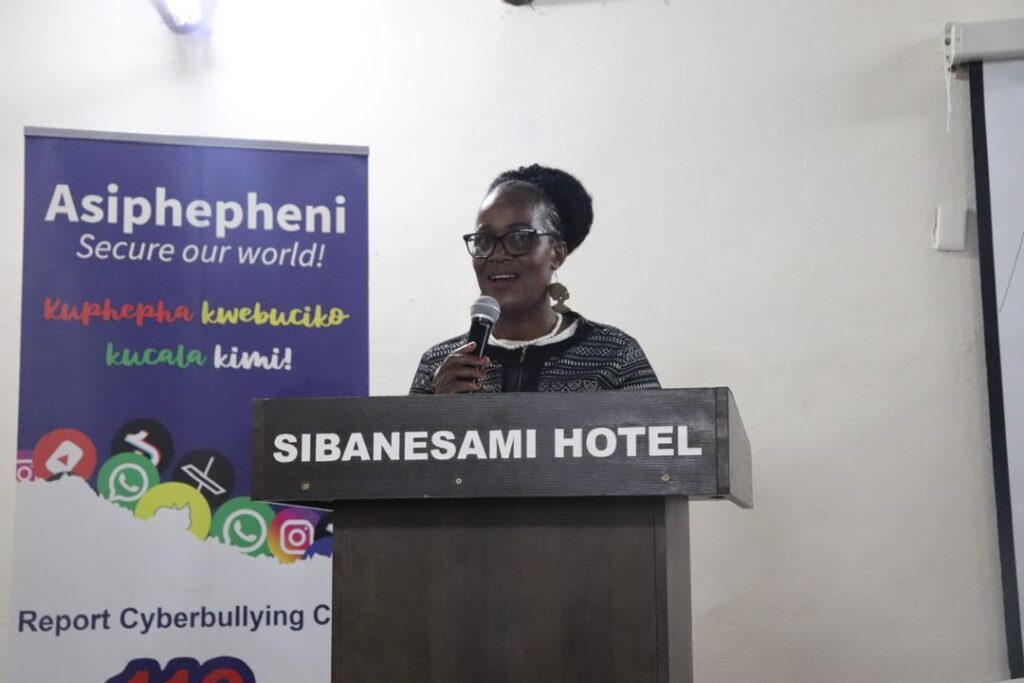
Speaking on behalf of the Deputy Prime Minister at the Child Online Protection Indaba held at Sibane Sami, the Director of the National Children’s Services Department, Nomcebo Nkomo-Nhlengetfwa, stressed that protecting children in digital spaces must be treated as a national priority.
“Protecting children online is not just a technical obligation; it is a societal imperative,” she said, highlighting the growing risks faced by young people in an era of rapid digital connectivity.
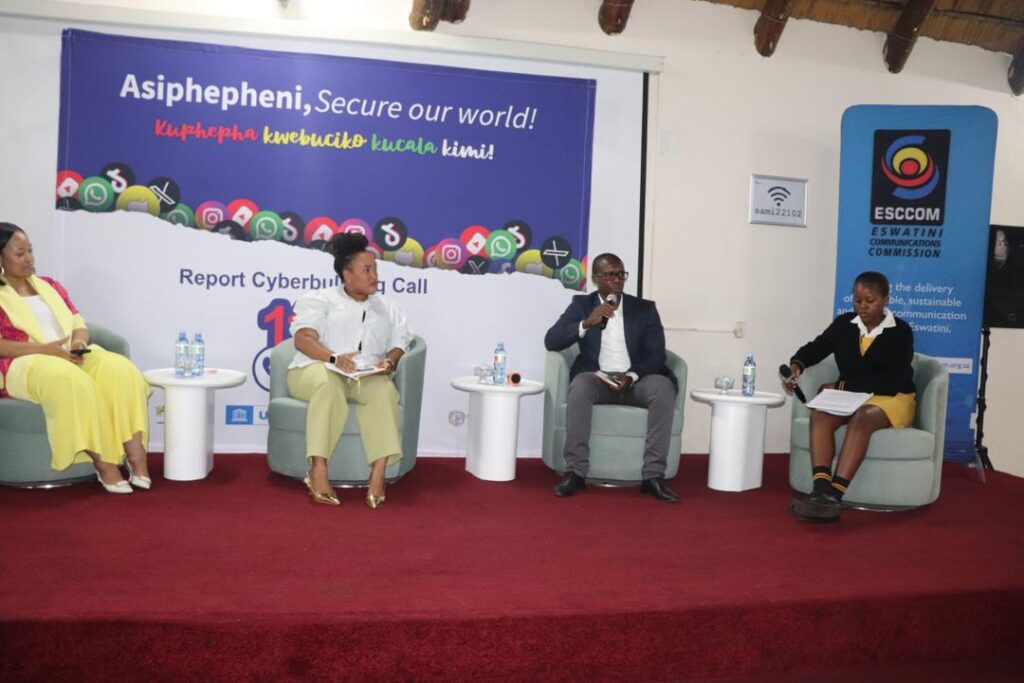
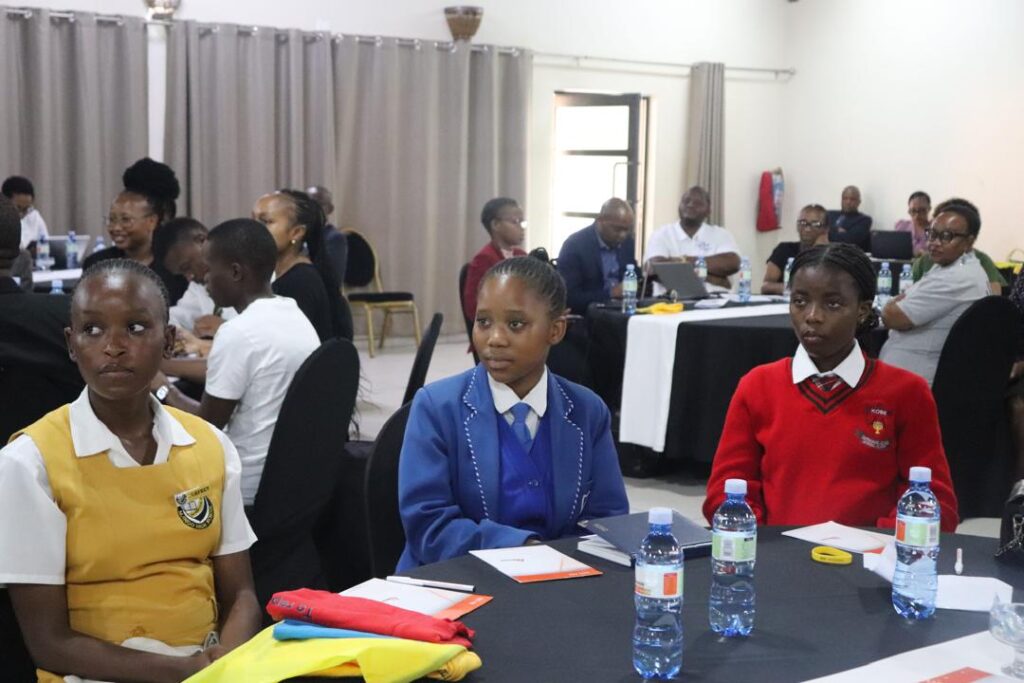
The Indaba, held under the theme “Creating Safe and Inclusive Digital Spaces for Learners,” brought together government officials, educators, development partners, and young people to confront the rise of cyberbullying and other online threats.
Nkomo-Nhlengetfwa warned that while the internet has unlocked opportunities for learning, communication, and economic participation, it has also introduced serious dangers, including cyberbullying, online harassment, exploitation, and the spread of harmful content.
She noted that children, as some of the most active users of digital platforms, are particularly vulnerable.
“Our children are forming friendships, exploring identities, and expressing themselves online, but these same spaces can expose them to cruelty, humiliation, and abuse,” she said.
Of particular concern, she noted, is the growing link between cyberbullying and mental health challenges among learners, including anxiety, depression, and increased school dropout rates.
“The situation demands our urgent attention so that digital spaces do not become places of fear and intimidation.”
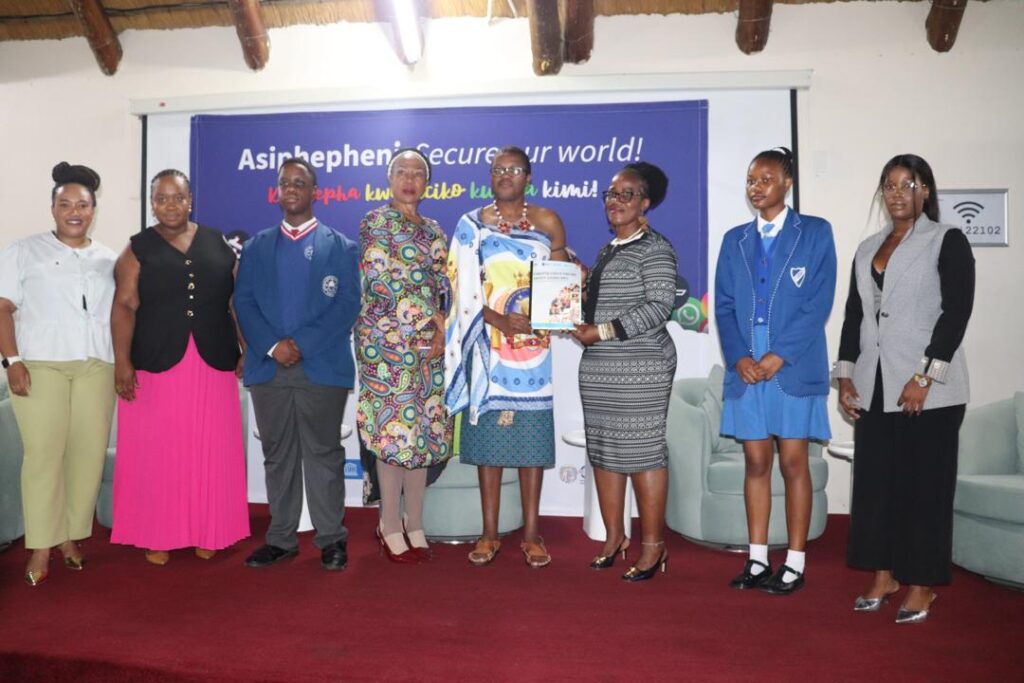
In response, the Government is strengthening its efforts to create safer online environments, including the launch of the Eswatini Child Online Safety Guidelines at the Indaba.
These guidelines provide practical tools for parents, teachers, and learners to promote responsible online behavior and respond effectively to digital risks.



However, Nkomo-Nhlengetfwa emphasized that government action alone is not enough. “This is a shared responsibility. Every sector of society—from parents and teachers to the private sector and the media—has a role to play in safeguarding our children.”
She called on parents to take a more active role in their children’s digital lives by engaging in open conversations and monitoring online activity.
Educators were urged to strengthen online safety education and provide support to learners affected by cyberbullying.
Meanwhile, the private sector, particularly technology companies, was encouraged to work closely with the Government to develop and implement child protection frameworks.
Delivering a direct message to young people, Nkomo-Nhlengetfwa urged victims of cyberbullying to seek help and not suffer in silence. “If you have been bullied online, it is not your fault, and help is available.”
She highlighted the Government’s Child Helpline (116) as a critical support mechanism, offering free and confidential assistance for children experiencing abuse or online harm.
At the same time, she encouraged young people to take responsibility for their own conduct online by promoting kindness and respect.
Nkomo-Nhlengetfwa further stressed the importance of listening to children as key stakeholders. “The question is not whether our children will use the internet—they already are. The question is whether we will equip them with the skills, protections, and values to navigate it safely.”
She concluded with a call for sustained commitment, urging stakeholders to translate dialogue into action. “The digital future is one we must actively shape. Let us build a digital Eswatini where every child can participate with confidence and without fear.”
The Indaba marks a significant step in strengthening national efforts to address cyberbullying and promote safer digital environments for learners across the country.