
By Lindani Maseko
The Eswatini government has unveiled a series of initiatives aimed at streamlining economic reforms and enhancing the nation’s competitive edge, headlined by the official launch of the National Competitiveness Council (NCC).
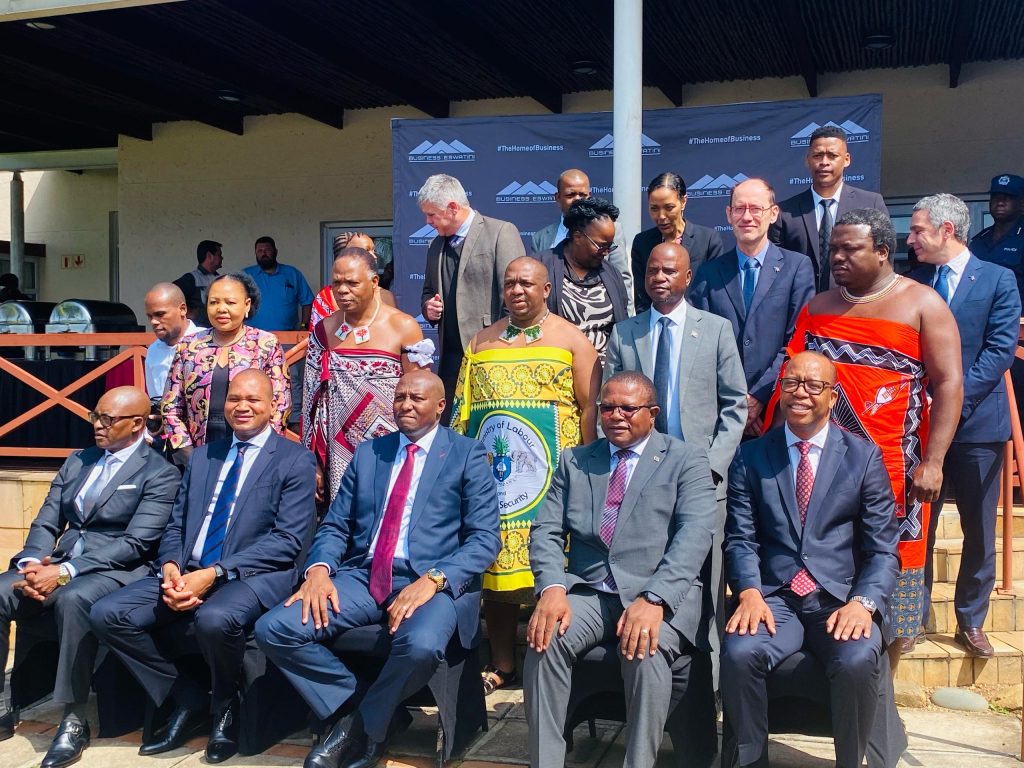
Prime Minister Russel Mmiso Dlamini announced the NCC during the second annual Business to Government (B2G) dialogue, held at The Royal Villas today.
The NCC, mandated to provide comprehensive oversight, establish clear objectives, and ensure accountability across all sectors, will implement a “whole-of-government” approach to harmonize reform initiatives, encompassing legislative and infrastructural advancements.
This aligns with the government’s Programme of Action (2024/25-2028/29), themed “Collaborate. Innovate. Execute: Strengthening Partnerships for a Thriving Economy for All,” which prioritises inclusive economic growth, infrastructure development, human capital enhancement, and social protection.
The Premier emphasised the importance of transparency and real-time course correction, stating that all working groups under the NCC will submit quarterly progress reports. The Programme of Action identifies national competitiveness as a key driver for improved living standards, job creation, and sustainable prosperity.
Recent economic indicators, as detailed in the Q4 2024 Economic Bulletin, suggest positive momentum:
• Private sector credit growth: Increased by 2.4%, driven by activity in key sectors.
• Inflation reduction: Headline inflation decreased to 3.6%.
• Currency strengthening: The Lilangeni strengthened against major currencies.
• Trade surplus: The economy recorded a trade surplus of E808 million.
• GDP growth projection: Projected to average 5.4% in the medium term.
The PM further announced the impending launch of an Investor One Stop Shop, administered by the Eswatini Investment Promotion Authority (EIPA), to streamline investment processes.
He also extended an invitation to the private sector to participate in the Japan EXPO 2025 in Osaka, highlighting it as an opportunity to showcase Eswatini’s innovation.
Building on the foundation laid in 2023, the State-Business Relations (SBR) Core Group and four key Technical Working Groups are now operational:
• Legal Structure: This group of legal experts is tasked with developing a comprehensive legal framework to institutionalise the SBR platform over 5 the next 12 months. They will also be expected to provide legal guidance to the other working groups.
• Competitiveness Dynamics: As a central component of the SBR platform, this group will identify and recommend policy reforms designed to enhance national competitiveness, with a specific focus on improving the ease of doing business and attracting investment, and will work closely with key stakeholders such as EIPA.
• Mega Projects: The group will review and streamline large-scale development projects to ensure alignment with economic priorities and public-private capabilities. It is expected that the group will collaborate with EIPA to implement outcomes from the Inaugural Eswatini Investment Conference, held on May 14th and 15th.
• SMMEs: Supporting Micro, Small, and Medium Enterprises.
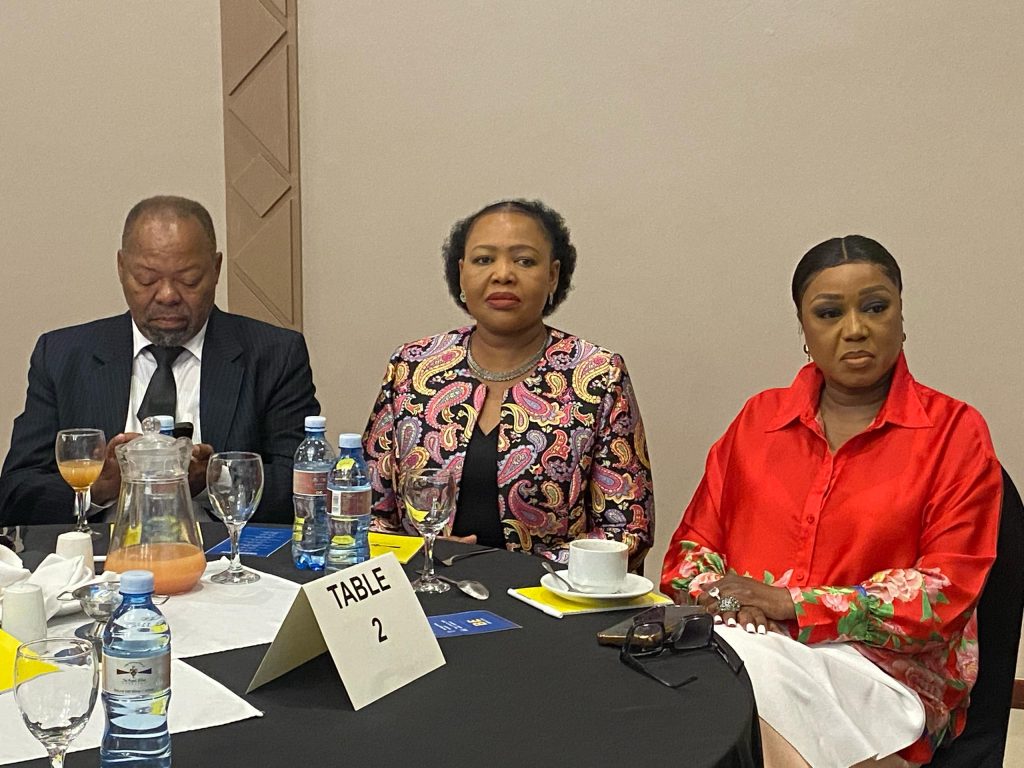
Also making his remarks during the engagement, BE President, Mvuselelo Fakudze highlighted the success of inclusive enterprises operated by individuals with disabilities in various Tinkhundla.
He also announced the upcoming opening of a rural cottage factory, attributing its success to Chairperson Tokky Hou and the BE team.
Fakudze further stressed the importance of policy alignment with international conventions, particularly regarding the pending ILO issue, urging swift dialogue to avoid potential sanctions.
“Our policy alignment with international conventions is crucial, not just a matter of infrastructure. To avoid ILO sanctions, social partners must engage in swift, productive dialogue. The June conference deadline demands immediate resolution in the country’s best interest,” added Fakudze.