
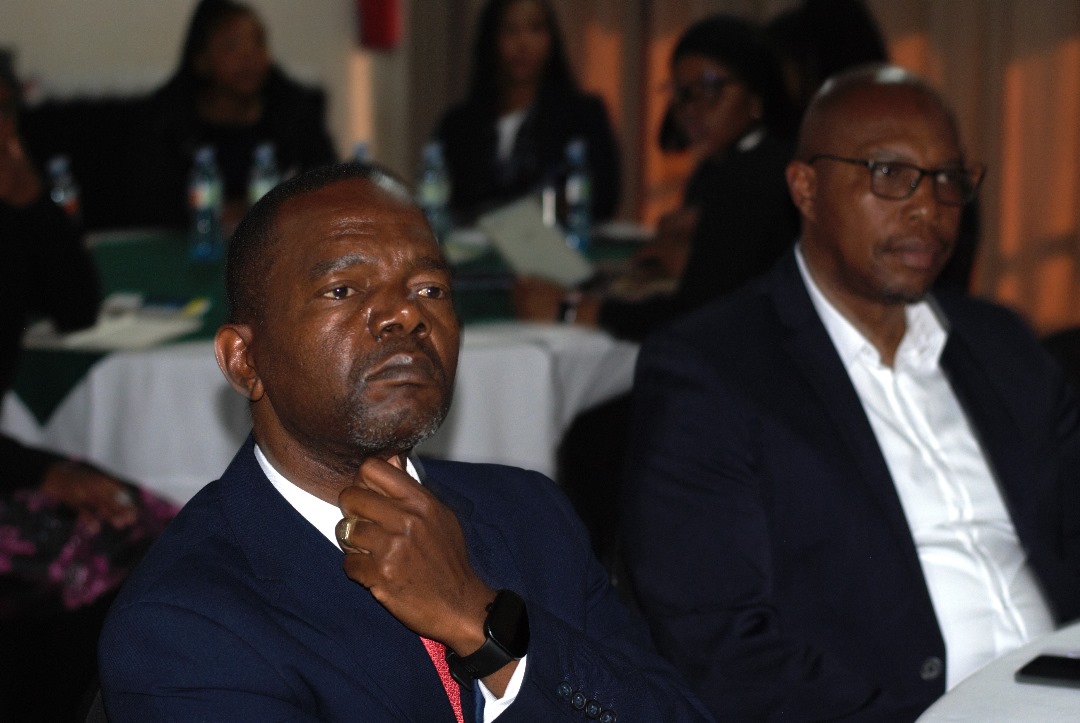
The Eswatini Higher Education Council (ESHEC) Senior Quality Assurance Officer Dr. Emmanuel Lungile Howe states that by the time ICT students in Eswatini finish their four-year undergraduate degrees, much of what they learned in their first year is already outdated, leaving them unprepared for the job market.
Howe was presenting on skills development at a seminar hosted by the Eswatini Economic Policy Analysis and Research Centre (ESEPARC) in collaboration with the Copenhagen Consensus Center at Sibane Sami Hotel.
During his presentation, Howe explained how strategic investment in human capital can unlock Eswatini’s full potential.
He emphasized the need to connect education with employability by aligning skills development with national priorities.
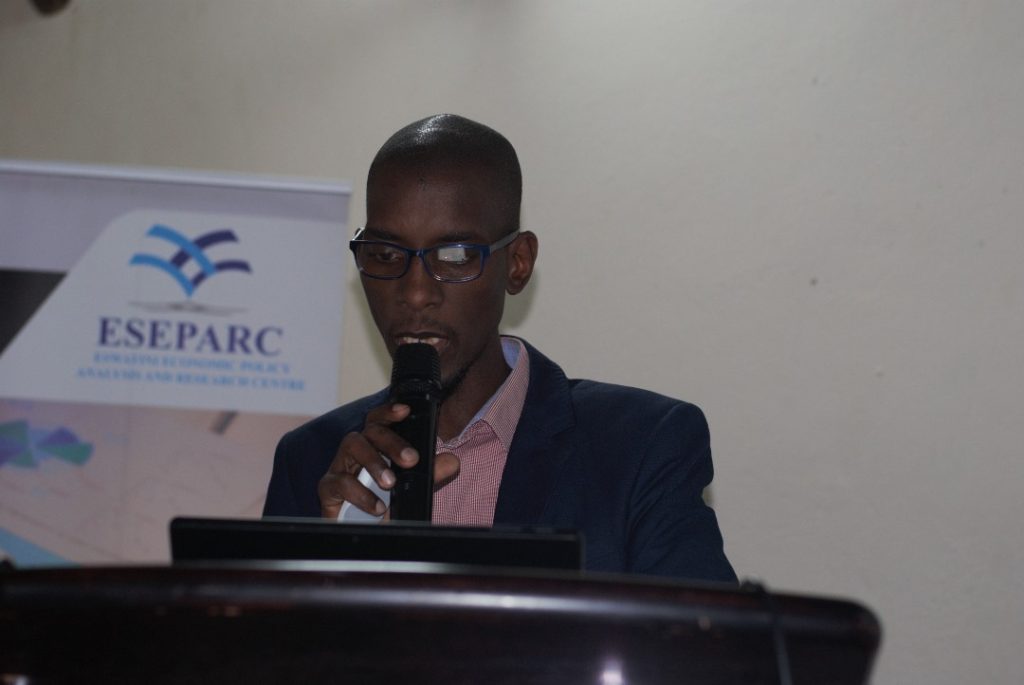
“The pace of technological change is outpacing the current educational system’s ability to keep up,” Howe said. “When a student starts studying ICT in their first year of university or college, by the time they graduate, much of what they learned is no longer relevant, leaving them unemployed.”
Howe stressed the urgent need for Eswatini’s education system to adapt to the realities of the labour market.
Citing the International Labour Organization’s (ILO) 2020 findings, Howe said the country suffers from a significant skills mismatch.
“Change is necessary,” he said. “We need to be proactive. As educators, we must supply skills that align with labour market demands so our youth graduate with useful qualifications.”

Despite the ICT sector being a potential growth driver, Howe noted that current ICT education remains disconnected from industry requirements. “There is an urgent need for targeted upskilling in ICT,” he said, using accounting as an example of how industry-aligned certifications keep professionals job-ready.
“In accounting, there is regular upskilling,” he explained. “An accountant is always informed about new programs and regulations, which ensures their skills remain relevant in today’s ever-changing job market.”
As the regulator of higher education, ESHEC plays a pivotal role in ensuring institutions meet international standards while contributing to national development.

“We register institutions and develop standard guidelines,” Howe said. “We also conduct needs assessments through benchmarking to determine which new programmes should be introduced and how to ensure those skills remain in demand.”
To keep curricula responsive and relevant, ESHEC encourages higher education institutions to partner with the private and public sectors. “This ensures that what is taught in classrooms matches the actual requirements of employers.”