

By Tlalane Dlamini
Eswatini has reached a decisive milestone in strengthening national energy security and economic resilience with the formal signing of a 40-megawatt (MW) Power Purchase Agreement (PPA) between Ubombo Sugar Limited (USL) and the Eswatini Electricity Company (EEC). The landmark agreement is set to significantly reduce the country’s reliance on electricity imports while reinforcing domestic industrial capacity.
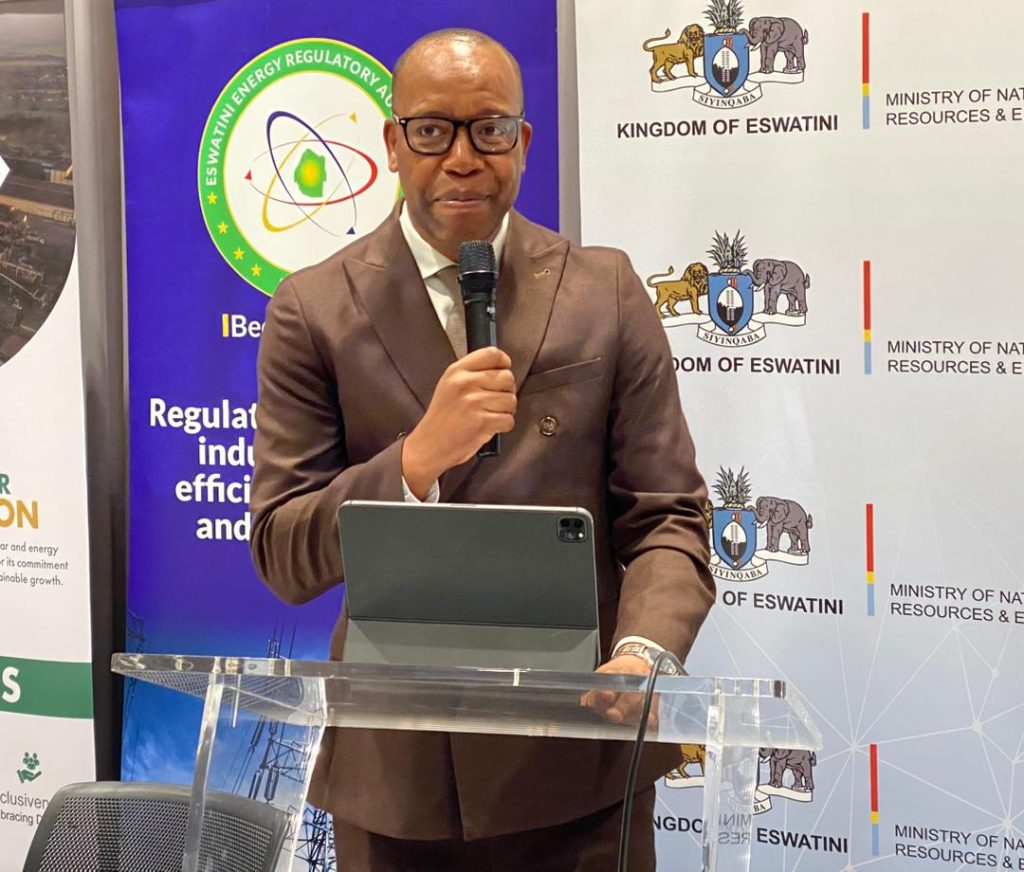
The project, which advanced from tender to financial close in just 18 months, is among the fastest power developments in Eswatini’s history. Speaking at the signing event, Ubombo Sugar Managing Director Muzi Siyaya emphasized the quick progress.
“The 40MW Power Purchase Agreement we sign today is among the fastest power projects in Eswatini’s history to progress from tendering to financial close. This speed is a testament to the focused collaboration between public institutions and the private sector, aligning with a shared national imperative for energy self-sufficiency.”
The project is set to achieve Commercial Operation Date (COD) by June 2028, driven by strict delivery schedules and performance penalties, demonstrating a modern, disciplined approach to infrastructure development.
E1.5 Billion Local Investment Anchors Economic Growth
Ubombo Sugar’s total capital investment in the project is estimated at E1.5 billion, with E900 million financed by local financial institutions, demonstrating strong domestic confidence in Eswatini’s investment climate. This high level of local participation is expected to strengthen the national capital market and further solidify the financial sector’s maturity in Eswatini.
Beyond financing, the project is expected to generate around 500 construction jobs, along with targeted skills development programs and SME involvement. Local companies have already secured important civil works and power evacuation contracts. Meanwhile, a structured SME inclusion program is being developed to promote widespread economic participation and long-term technical capacity building.
Strategic Boost to National Energy Security
Once commissioned, the 40MW power plant will deliver a net 24MW to the national grid, greatly reducing Eswatini’s dependence on imported electricity. Government estimates suggest the plant will generate about 141 GWh annually, representing nearly 14% of the country’s total electricity demand.
This expansion is expected to support tariff stability, shield the economy from external energy price shocks, and enhance overall industrial competitiveness.
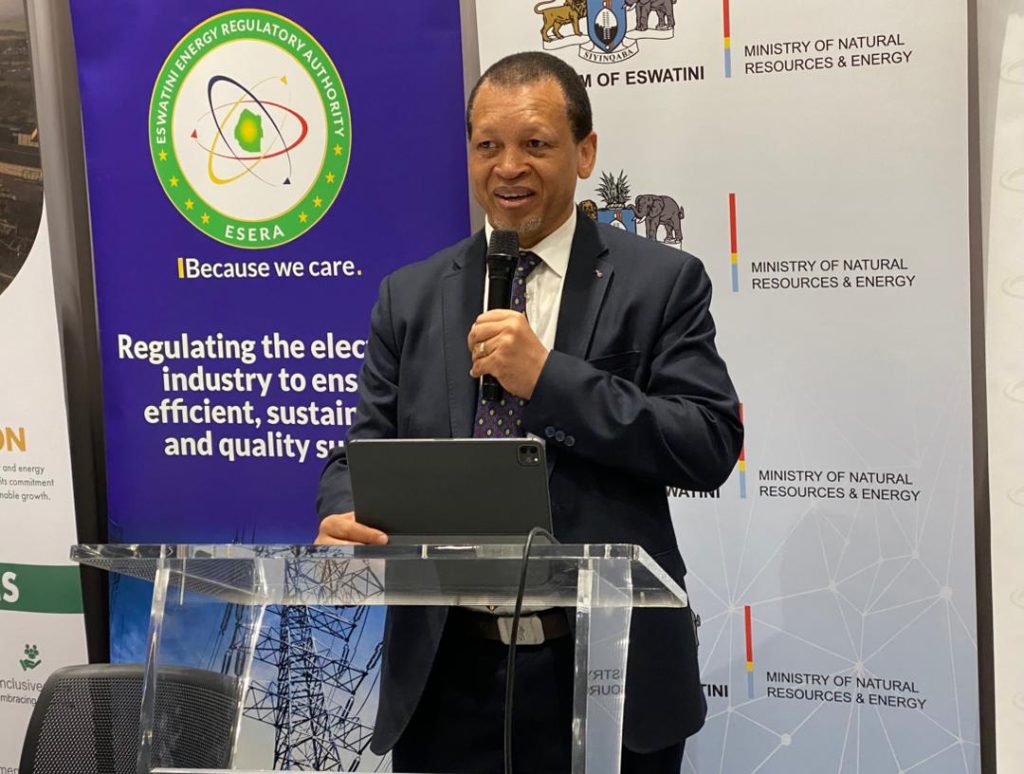
EEC Managing Director, Ernest Mkhonta, highlighted the historical importance of the milestone.
“Indeed, this day marks another milestone in the long-standing relationship between EEC and USL, which began 15 years ago when USL became both a supplier and consumer of grid electricity through a PPA with the then SEC. Over this period, the partnership has been smooth, with no significant issues arising, demonstrating the strength of collaboration between the utility and the private sector.”
Mkhonta expressed gratitude to the Minister, HRH Prince Lonkhokhela; the Ministry of Natural Resources and Energy; ESERA; and the Procurement Committee, including the Ministry of Finance, and the transaction advisory team, for their role in negotiating the additional capacity under Tranche Three.
“We believe that this additional capacity will boost the local economy by recirculating the Lilangeni, create more local jobs, and reduce imports. The utility continues to balance the energy trilemma: affordability, reliability, and sustainability. It is also reassuring that price increases are tied only to local inflation.”
Mkhonta highlighted that Eswatini’s energy demand currently stands at 1,366 GWh, with imports making up nearly 76% of supply. The new USL PPA will add an additional 5% to the national grid, increasing USL’s contribution from 5% to 10%, marking a significant step toward reducing dependence on imports. He reaffirmed EEC’s commitment to fair access for all qualifying Independent Power Producers (IPPs) and noted the need for future grid redesigns to accommodate expanding capacity.
Government Applauds Public–Private Collaboration
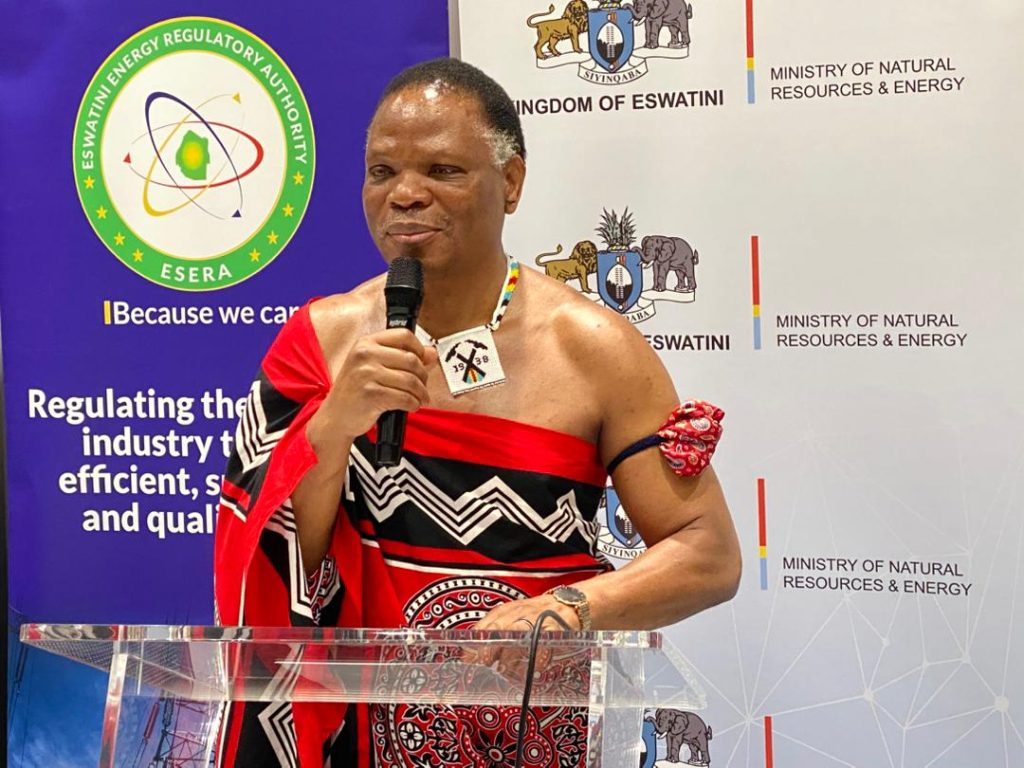
Delivering the keynote address, the Honourable Minister of Natural Resources and Energy, His Royal Highness (HRH) Prince Lonkhokhela Dlamini, praised the project as a significant step in Eswatini’s renewable energy transition.
This occasion marks another important step in the country’s ongoing efforts to increase local power generation through accessible renewable energy sources. The procurement of power from co-generation plants is unique because it leverages the synergy between agriculture, manufacturing, and electricity production.
The Minister praised the Power Procurement Team, which includes EEC, ESERA, the Ministry of Natural Resources and Energy (MNRE), the Ministry of Finance, and the African Legal Support Facility (ALSF), for providing essential transaction advisory and legal support.
“Without their support, we would not have achieved this level of success.”
Locally Financed IPP Model Signals Market Maturity
The Minister further underscored the significance of local bank participation, describing it as a clear vote of confidence in Eswatini’s financial and institutional frameworks:
“The success of such Independent Power Producer (IPP) projects demonstrates the technical capacity of our country’s institutions, the financing capability of local banks, and the Government’s unwavering commitment to enabling private investment in power generation.”
Construction is expected to commence during the current off-crop season, following the signing of Engineering, Procurement, and Construction (EPC) contracts.
National Vision for Energy Export Capacity
The 40MW Ubombo Sugar project forms part of a broader national energy strategy that includes newly launched 20MW and 15MW solar plants. Once all projects reach full production, over 63% of Eswatini’s national electricity requirements will be met by local supply.
Government is currently engaging with 18 additional IPP ventures, targeting up to 1,500MW of future generation capacity for export, reinforcing Eswatini’s long-term ambition to become a net exporter of electricity.
“His Majesty’s Government desires to ensure that energy poverty is eradicated and EmaSwati are supplied with affordable electricity,” the Minister concluded.