
By Ayanda Dlamini
Eswatini’s energy landscape is on the verge of transformation as the Tsamela Solar PV Project is set to generate 10 percent of the country’s electricity demand and reduce power imports by 5 percent, with full implementation underway.
The project, located in Nduma, Motshane, has been praised as a crucial step toward a cleaner, greener, and more self-sufficient energy future.
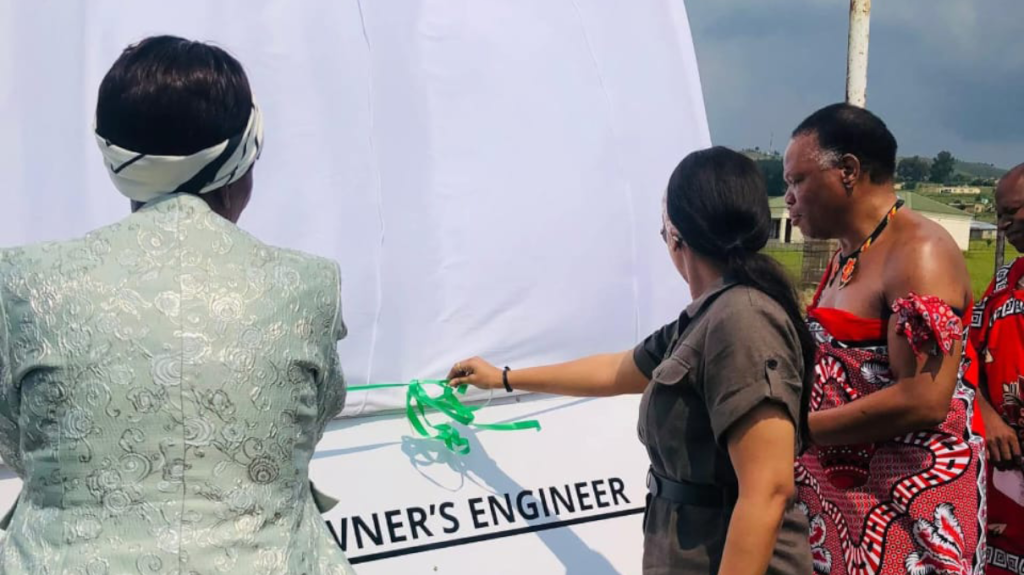
The Minister of Energy and Natural Resources, HRH Prince Lonkhokhela, officially launched the initiative and praised His Majesty King Mswati III for championing a vision that puts Eswatini on a strong path toward renewable energy growth and independence.
“This project reflects His Majesty’s commitment to modernizing our energy systems and lowering our vulnerability to external shocks,” the Minister said, noting that the project will significantly reduce reliance on imported electricity, which has historically ranged from 65 percent to 90 percent depending on hydropower flows in the region.
The Tsamela Solar PV Project is part of the Kingdom’s broader long-term plan to increase domestic energy capacity, stabilize national supply, and strengthen resilience against global energy uncertainties.
At the heart of the Tsamela Solar Project is a transformative promise: to supply up to 10 per cent of Eswatini’s current electricity needs, directly reducing exposure to imported energy.
For a country long constrained by imported power tariffs, regional droughts, and fluctuating generation from neighbouring suppliers, this marks a major structural shift.

The project’s location at Nduma, Motshane, strategically positions it to feed clean energy into the national grid while supporting demand centres in the country’s fast-growing industrial and residential corridors.
The 20 MW solar plant is expected to produce 48 GWh of electricity annually, significantly strengthening the grid’s reliability.
With a 25-year Power Purchase Agreement (PPA) signed with the Eswatini Electricity Company (EEC), the plant will provide a guaranteed supply, helping shield the country from unpredictable regional price changes and shortages.
Prince Lonkhokhela underscored the long-term significance of the investment. “This is not just a solar project; it is a national asset. It moves Eswatini closer to energy sovereignty and supports His Majesty’s strategic direction for a sustainable and secure power future.”
The project is slated to begin construction in January 2026, with the Minister challenging the developers to fast-track the original 18-month timeline to 15 months, allowing commercial operation by April 2027.
The push for speed reflects the country’s broader urgency to energise factories, schools, hospitals, and households with affordable domestic power.
Economic Injection, Long-Term Investment: E400 Million Boost for Eswatini
Beyond its environmental and energy-security benefits, the Tsamela Solar Project delivers a substantial financial boost to Eswatini’s economy.
The project carries an investment value of E400 million, making it one of the largest renewable energy injections in the Kingdom to date.

This capital injection will support several key parts of the project, including fully building the 20 MW solar photovoltaic plant, acquiring and installing advanced technical equipment, and creating local contracting opportunities that will benefit nearby businesses.
It will also cover the plant’s operational and maintenance costs over its 25-year lifespan, ensuring long-term sustainability, reliability, and continued economic participation for Emaswati.
By retaining more electricity production within national borders, Eswatini also stands to reduce its energy import bill, strengthen foreign currency stability, and reinvest more value domestically.
The IPP model, in which the private sector leads generation while the government safeguards regulation and oversight, also ensures the project remains financially viable without placing additional pressure on the national budget.
With the PPA in place, the developers are assured of predictable revenue, which, in turn, increases investor confidence in future renewable initiatives.
Government officials confirmed that the project supports Eswatini’s goals to promote low-carbon industrialization, attract foreign investment, and boost local economic growth.
Small and medium-sized businesses in the transport, construction, catering, and supply sectors are expected to gain substantially from project-related opportunities.
As the Minister noted, “Economic development thrives where there is stable power. This project is not only about generating electricity; it is about powering jobs, industries, and long-term national growth.”
Promotes community empowerment: jobs, infrastructure, and social impact


Although national in scope, the Tsamela Solar Project is deeply connected to community upliftment, especially for residents of Nduma and Motshane.
The construction phase will generate about 150 jobs, prioritizing local residents, artisans, and youth.
Once operational, the plant will support 10 permanent jobs, providing long-term employment throughout its 25-year lifespan.
Tsamela’s dedication to corporate social responsibility is already evident.
Because the project’s footprint affects the local soccer field, the company is building a brand-new sports facility to replace it, an upgrade that community members have welcomed with excitement.
In addition, the project will support a local food kitchen that provides meals for orphaned and vulnerable children, helping strengthen social support systems in the area.
Tsamela has also pledged to maintain the new sports grounds and other community assets.
Local leaders who attended the launch expressed confidence that the project will deliver additional benefits, including skills development, small-business opportunities, and infrastructure improvements.
For many residents, the project is not just an energy milestone—it serves as a catalyst for empowerment and a symbol of development reaching their doorstep.