
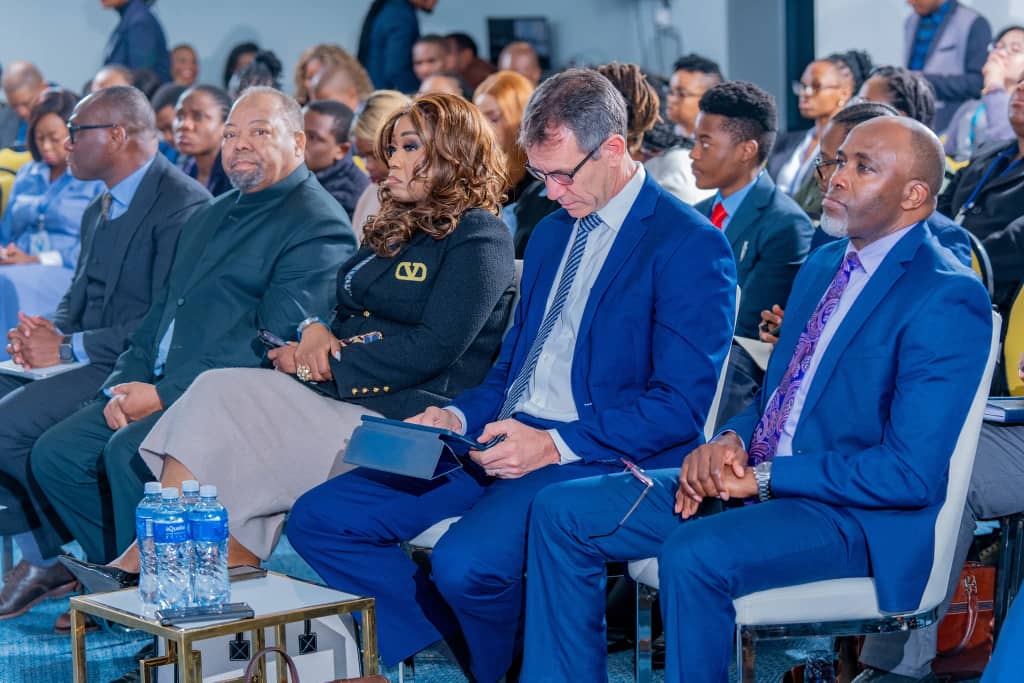
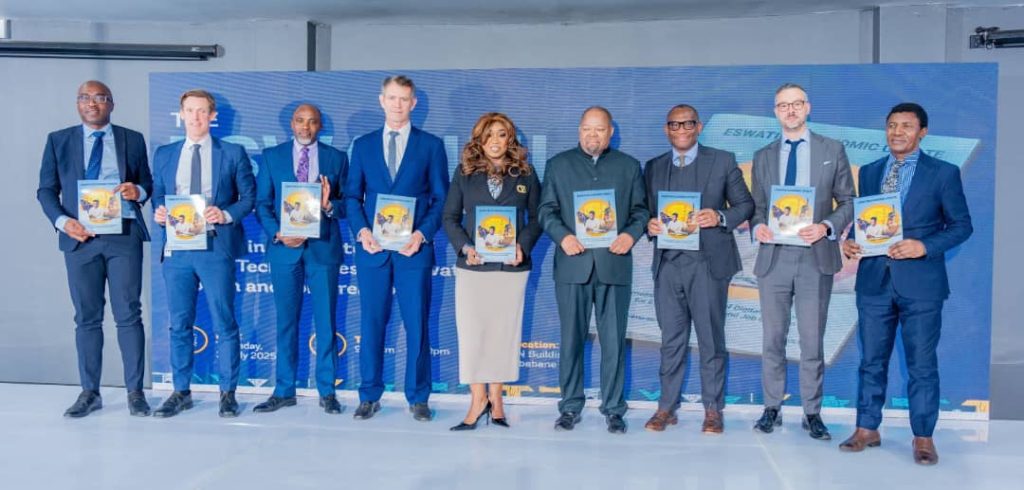
The Minister of Information, Communications and Technology (ICT), Savannah Maziya, has issued a powerful call for the full inclusion of young people in shaping Eswatini’s digital future.
Addressing attendees at the launch of the World Bank’s Eswatini Economic Update held at the United Nations building in Mbabane, the Minister cautioned that excluding the youth from decision-making processes was a costly repetition of historic injustices.
“We talk about colonialism, we talk about apartheid, and we talk about patriarchy. It’s the same story. We exclude people and then try to fix it later, when they’ve already left or when they’ve become hostile, Maziya said. “Now, with the youth, we say: let’s have a caucus about how to involve you in their own future.”
Her comments come amid growing concern that young people, who make up the majority of Eswatini’s population, remain sidelined in national planning, particularly in the country’s ongoing push for digital transformation.

“Over 70% of our population is under 35, what is so concerning that we can’t involve them? Why can’t we listen to them?” she asked. “We should not be surprised when they no longer want to listen to us.”
The Minister likened the current generational divide to the structural exclusion faced by women and black people in the past. “There’s a pattern here. It’s when those who have power refuse to share it,” she noted, warning that failure to change course would erode national unity and compromise the country’s development trajectory.
Maziya underscored that the digital economy is not just a technical issue, but a matter of inclusive governance. “This is no longer just about internet or apps. It’s about access to power, opportunities, and participation. We cannot afford to digitize inequality.”
She called on public institutions, private sector partners, and civil society to reject tokenism and start involving young people meaningfully, not after strategies are written, but while they are being developed.
“We can’t write policy about young people and then ask them to validate it. That’s not inclusion, that’s an insult,” she said.
She also emphasized that inclusion must go beyond simply listening, and extend to co-creation, co-ownership, and shared accountability. Maziya emphasized that the youth should be part of the transformation emphasizing that the youth are capable, but the lack the platforms and opportunity.
“This country does not belong to politicians. It belongs to its people, and most of them are young.”
In conclusion, the Minister reminded stakeholders that delaying youth inclusion is not a neutral act, but a decision with long-term consequences. “When you exclude young people, you’re not keeping things the same, you’re actively losing relevance. And when they leave, they take the country’s future with them.”
Her challenge was clear: “If we want a better Eswatini, we must start building it with the youth, not for them. And we must start now.”