

By Zamandulo Ntshalintshali
Standard Bank has unveiled a commitment to mobilize over R450 billion in sustainable finance by 2028, aiming to revolutionize Eswatini’s construction sector.
From the amount mentioned above, E100 billion has been specifically allocated for green finance between 2025 and 2028. This initiative seeks to empower local contractors and public-private partnerships (PPPs) in creating a greener and more resilient future.
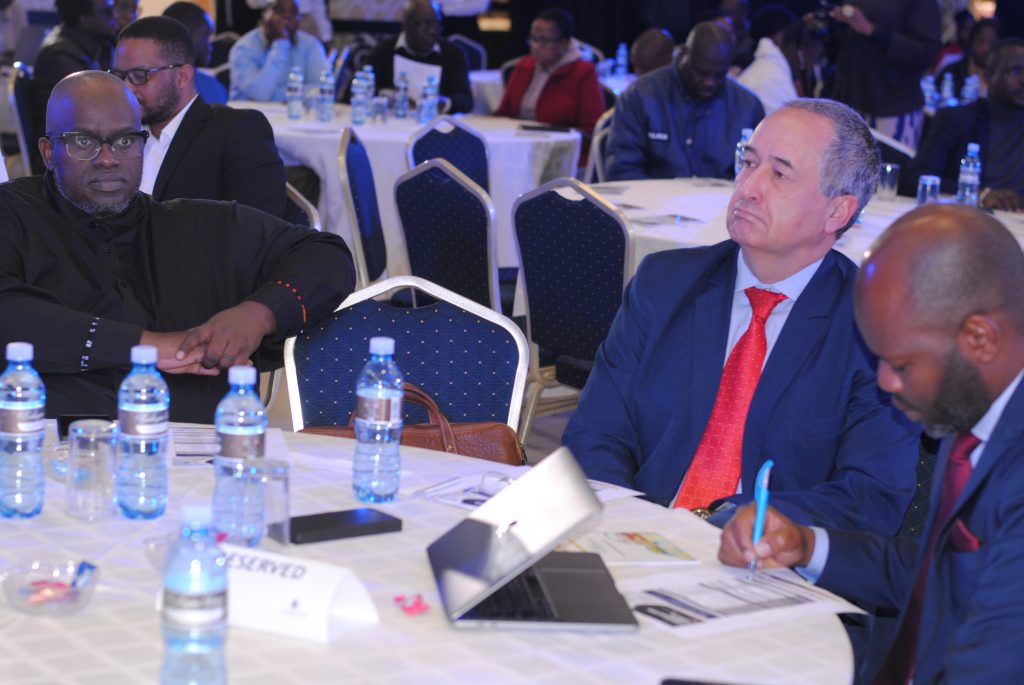
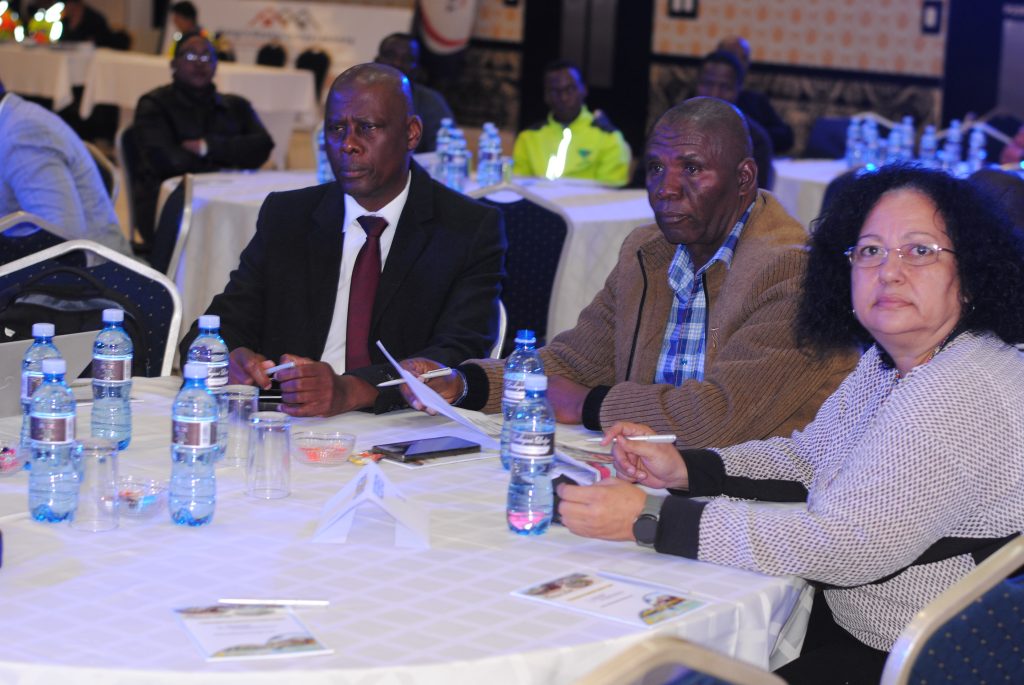
This was disclosed during the Eswatini Construction Industry Council Stakeholder Forum, held on June 19, 2025, at Esibayeni Lodge.
Standard Bank Eswatini’s Head of Corporate & Investment Banking, Barry Schutzler, noted that investment is key in the construction industry due to its role in the economy.
“The construction industry is a cornerstone of national development. It employs thousands, catalyzes investment, and defines the physical shape of our society. Yet today, we face dual challenges: climate vulnerability and a growing need for infrastructure that is both sustainable and inclusive.”
“With climate change posing increasing threats to Eswatini through severe weather, the emphasis on climate finance has become crucial. This issue is not merely environmental; it represents a significant economic opportunity. The construction sector is essential for national development, providing jobs and shaping the country’s infrastructure.”
Crucially, Standard Bank’s offering is not limited to large corporations. The bank aims to ensure local players, including SMEs, indigenous contractors, and property developers, can also access these financial instruments, provided they meet the minimum criteria.
Standard Bank Group recently partnered with the International Finance Corporation (IFC) in a blended finance programme that combines traditional capital with performance-based incentives.
This includes funding support from the UK Government to reduce the upfront costs of securing green building certifications.
The initiative means that developers will soon be able to recoup part of the costs associated with sustainable design, certification, and performance monitoring. In return, they gain access to concessional finance and Standard Bank’s broader green lending facilities.
“This means that building green will no longer come with a premium but with financial incentives,” Schutzler noted. “We are also exploring offerings that pair technical assistance, working capital, and certification support, enabling smaller players in the value chain to compete.”
Eswatini’s public infrastructure needs are vast and ripe for climate-smart investment. The bank highlighted key opportunity areas such as energy-efficient schools, climate-resilient clinics, and green social housing, all of which could be implemented through government-led PPPs.
In addition, commercial and residential real estate projects stand to benefit from Standard Bank’s green building finance toolkit, which includes structured finance options, advisory services, and future access to carbon credit monetisation.
The message from Standard Bank was clear: local stakeholders must work together to unlock the immense opportunity in climate finance. Contractors, developers, and government entities must align to ensure Eswatini transitions to a low-carbon, climate-resilient development path.
“Let us collectively unlock the opportunities in climate finance that are waiting, not just in Johannesburg or Windhoek, but right here in Mbabane, Manzini, and beyond,” he concluded.