
The Central Bank of Eswatini (CBE) has warned that recent salary adjustments in the public sector and wage increases in the security forces are placing mounting pressure on the country’s finances, driving the fiscal deficit to E2.88 billion, or 3% of GDP, in the 2025/26 financial year.
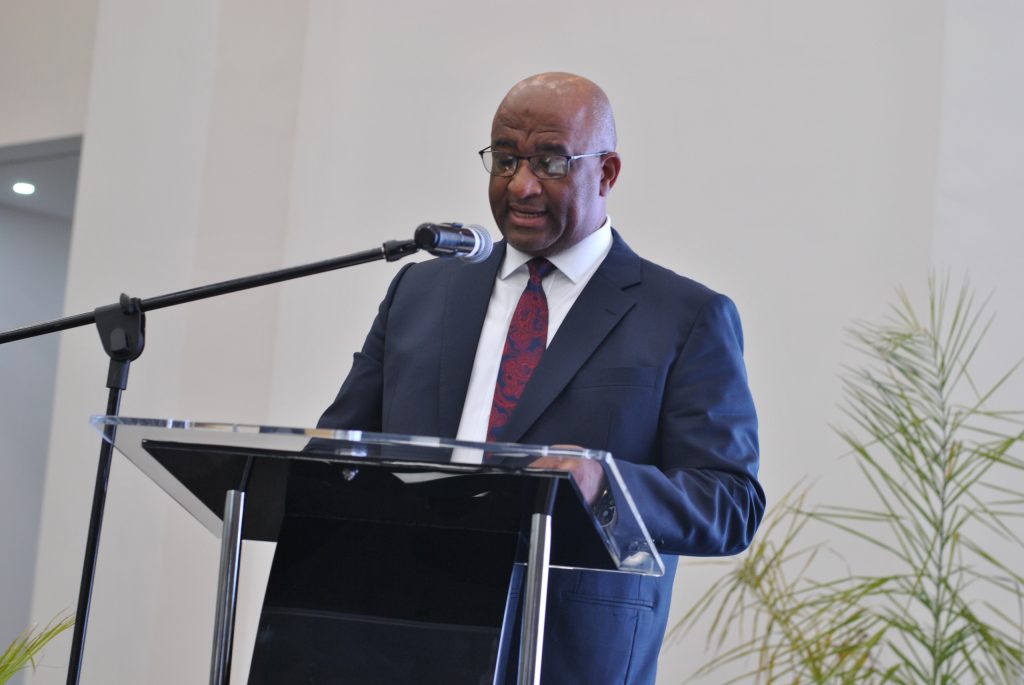
Presenting the 2025 Financial Stability Review at the CBE Complex on Monday, CBE Governor, Dr Phil Mnisi, highlighted that rising wage costs, combined with infrastructure spending and declining Southern African Customs Union (SACU) receipts, are straining government fiscal space and increasing borrowing requirements.
Total government spending is projected to increase by 8.5%, reaching E32.61 billion, while total revenue is expected to rise by only 7.7% to E29.73 billion. SACU receipts, a key source of government income, are forecasted to drop sharply by 20.4% to E10.4 billion, increasing fiscal pressures.
“As a result, the fiscal deficit is projected to widen to E2.88 billion, or 3% of GDP, from E2.46 billion in 2024/25. Persistent deficits continue to erode contingency buffers, increase borrowing needs, and raise sovereign liquidity risks, with potential spillovers to the banking sector,” Dr Mnisi said.


The CBE also warned that the non-renewal of the African Growth and Opportunity Act (AGOA) could harm Eswatini’s manufacturing sector, especially textiles and apparel, even though exports through AGOA make up less than 10% of total exports. Trade shocks might decrease foreign currency inflows, increasing pressure on exchange rates and liquidity in the financial system. The Bank highlighted the need to diversify into sectors like agro-processing, renewable energy, and ICT, while strengthening engagement with African trade markets to lessen external vulnerabilities.
Public debt increased to 40.3% of GDP by June 2025, up from 38.6% a year earlier. Domestic debt grew to 21.6% from 19.7% of GDP, while external debt slightly decreased to 18.7% from 18.9%.
The CBE warned that the rising debt trend could crowd out private-sector credit and raise rollover and interest-rate risks, especially as the government funds major infrastructure projects, including the Phuzumoya Oil Reserve. Public debt was at 39% of GDP in October 2025.

Meanwhile, the credit-to-GDP gap decreased from –7.71 in June 2024 to –5.29 in June 2025, indicating a gradual strengthening of credit compared to economic activity, although it remains negative.
Despite these positive signs, risks still exist. Imported inflation, driven by geopolitical tensions, global supply disruptions, and climate shocks, continues to strain household purchasing power. These pressures could weaken repayment capacity, raise non-performing loans in household and SME portfolios, compress banking margins, and increase liquidity risks. The CBE emphasized that its monetary policy stance will remain carefully calibrated to support economic growth while maintaining financial stability.