
Regional Customs leaders have called for a renewed focus on people, leadership, and soft skills alongside technological transformation.
The leaders voiced this during the 42nd World Customs Organization (WCO) East and Southern Africa (ESA) Regional Steering Group (RSG) Meeting held at the Hilton Garden Inn in Mbabane, earlier today.
Hosted by the Eswatini Revenue Service (ERS), the three-day meeting has drawn delegates from 24 member administrations under the WCO ESA region to deliberate on the 2025-2028 regional strategy.
The discussions will shape key priorities, including digitalization, trade facilitation, sustainable revenue mobilization, environmental protection, and integrity in Customs operations.
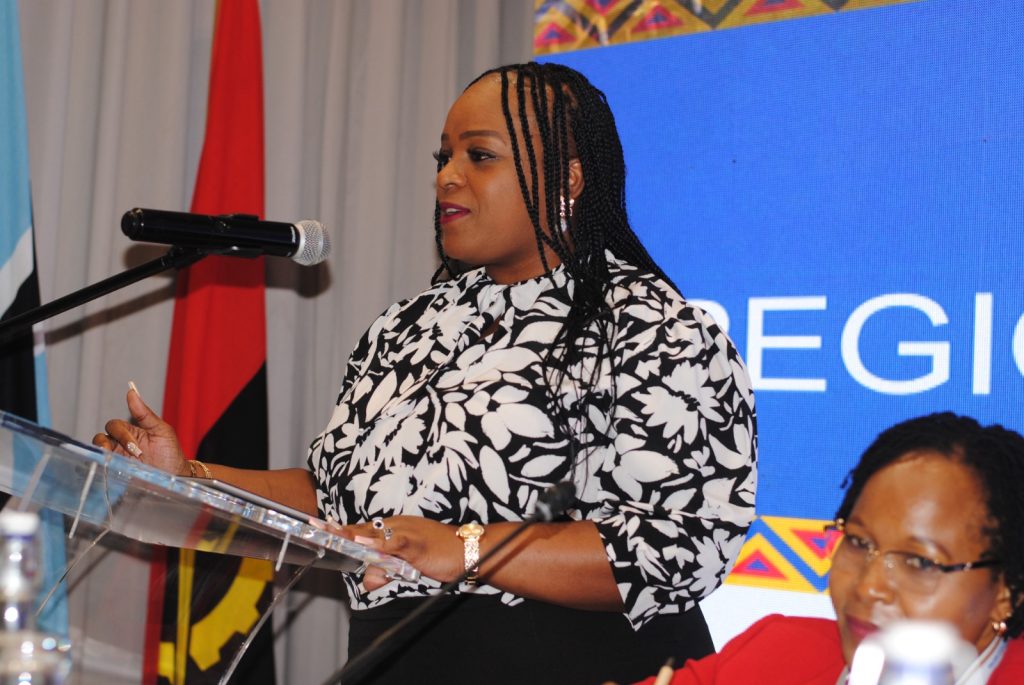
In her opening remarks, Acting ERS Commissioner General Pearl Muir-Dlamini challenged Customs administrations to move beyond a purely systems-based approach to capacity development and focus more deliberately on people.
“Oftentimes, the focus on our people is providing them with technical knowledge and skills,” she said. “Colleagues, it is also important that we focus on the soft issues – the personal attributes and social abilities that influence how people interact. These can be disruptive too, like the lack of technical knowledge and skills.”
Muir-Dlamini noted that such competencies, including emotional intelligence, communication, teamwork, and ethical leadership, play a crucial role in fostering a motivated workforce, enhancing institutional performance, and strengthening organizational culture.
“This helps to boost employee engagement, reduce turnover, improve performance, and drive innovation,” she added. “As a region, we must ensure that our modernization journey is as much about empowering people as it is about upgrading systems.”
Regional Strategy 2025-2028
The 42nd RSG Meeting will provide a forum for Customs leaders to reflect on regional progress, exchange best practices, and agree on action points that will shape the implementation of the ESA Regional Strategy 2025-2028.
The agenda includes panel discussions on combating narcotics trafficking, sustainable revenue mobilization amid the rise of e-commerce, harmonization of the Authorised Economic Operator (AEO) programme, and implementation of the Regional Code of Conduct on Integrity.
Muir-Dlamini emphasized the importance of aligning the regional strategy with global WCO priorities and the African Continental Free Trade Area (AfCFTA), highlighting the need for interoperable and data-driven Customs systems to support regional trade.
“These initiatives can prove to be even more effective where administrations take advantage of opportunities that are provided by Customs connectivity and interface their systems to leverage real-time information exchange for proactive and timely responses in addressing our compliance and revenue collection objectives,” she said.
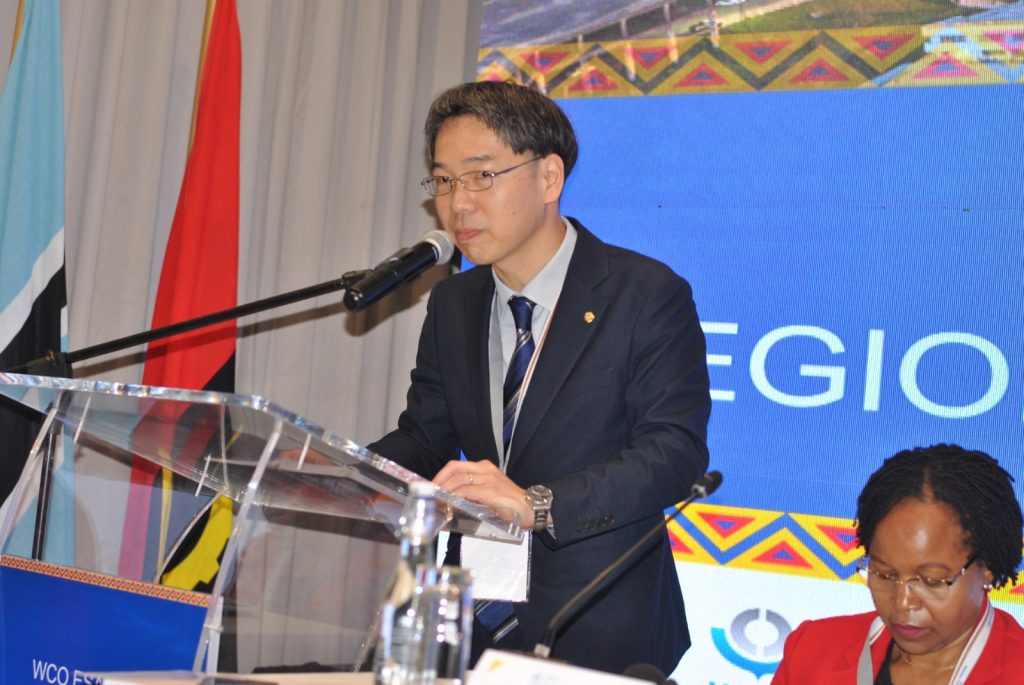
Representing the WCO Headquarters, Motohiro Fujimitsu, Technical Attaché under the Implementation and Capacity Building Directorate, commended the ESA region for its strong collaboration and leadership.
“The ESA region is considered a role model,” he said, noting that the region’s proactive approach in implementing the new WCO Strategic Plan (2025-2028) and the capacity-building paradigm has positioned it as a global leader. “This strong ROCB, guided by the Vice-Chair Office and supported by all ESA members, is a model of collective effort.”
He further highlighted that the new WCO strategy focuses on technology and innovation, e-commerce, and green customs, all of which are reflected in the ESA region’s agenda.
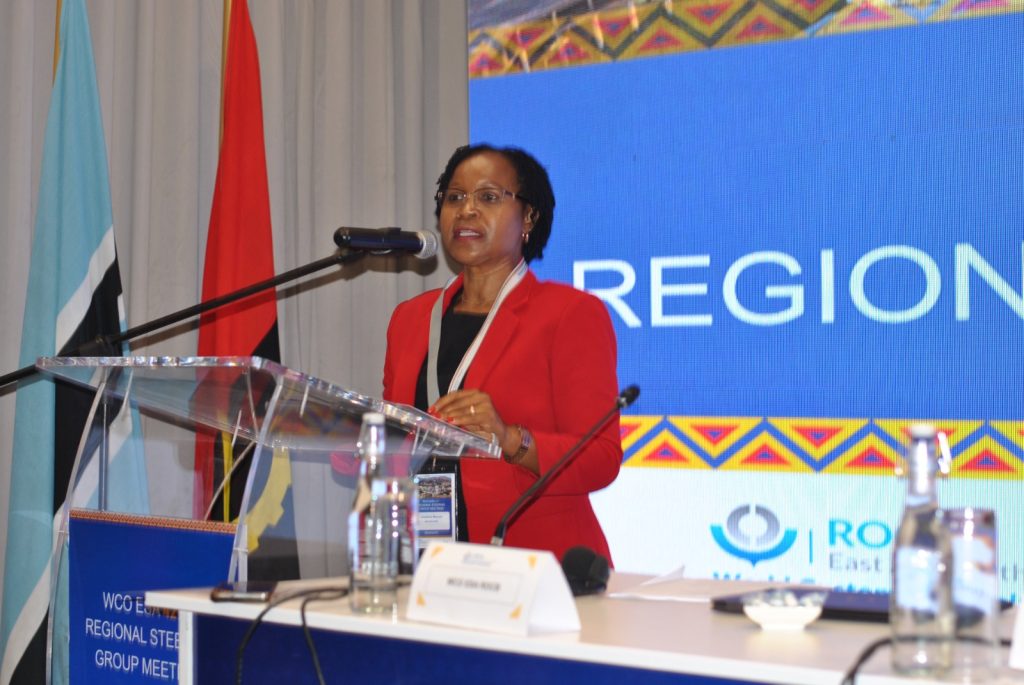
ROCB ESA Director Josephine Manyasi, reiterated that capacity building remains the cornerstone of Customs modernization in the region. She emphasized that the new regional strategy will prioritize enhancing trade facilitation, protecting society and the environment, and promoting professionalism and integrity.
“We are working in an environment that is changing rapidly, and we must catch up,” said Manyasi. “Our capacity-building initiatives are targeting the protection of society, the enhancement of trade, and the establishment of strategic partnerships that drive this region from one level to another.”
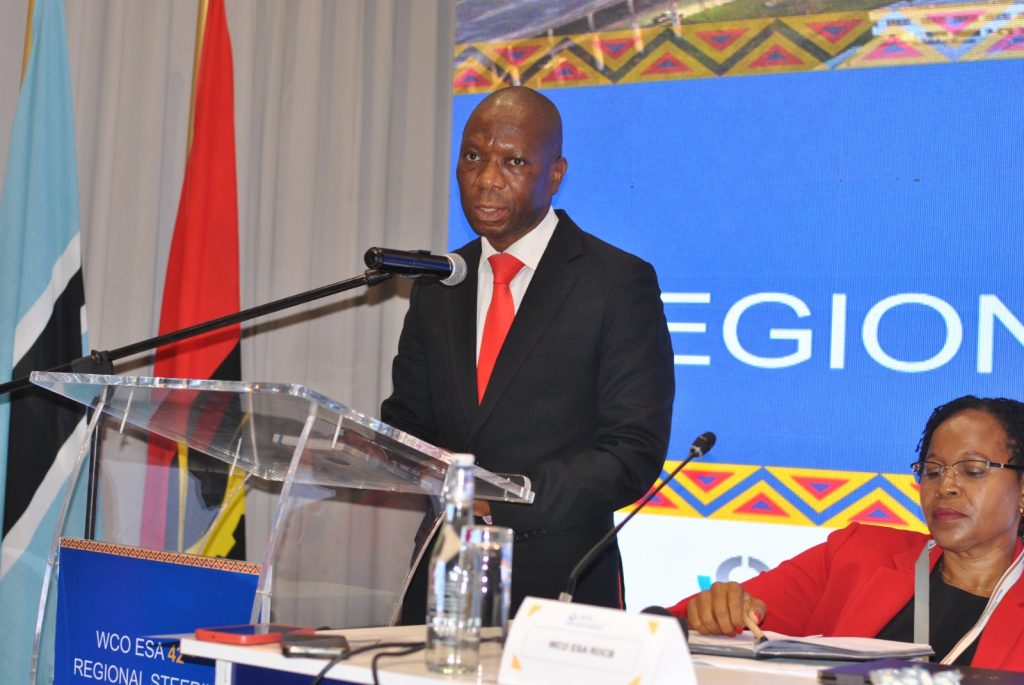
Meanwhile, WCO ESA Vice Chair Coffet Lebephe, of South Africa, pledged to provide strong strategic direction, stressing the importance of collaboration and human capital investment.
“As chair, South Africa is committed to advancing trade facilitation, strengthening revenue mobilization, safeguarding society, and investing in human capital,” said Lebephe. “Together, let us work boldly and collaboratively to unlock the full potential of our region’s customs.”